
Desserts
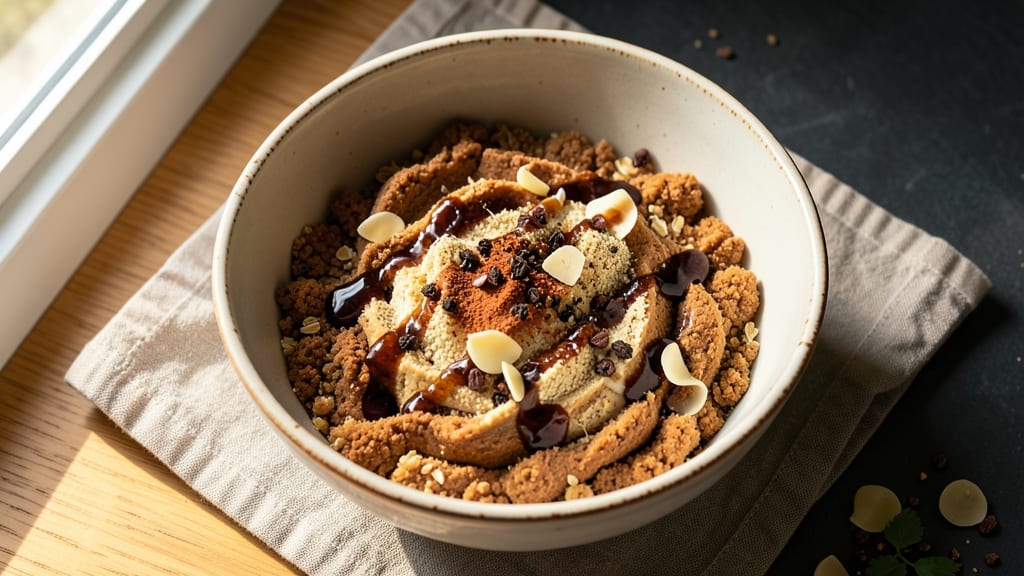
Tate's gluten free ginger cookie recipe delivers the same warm, spiced goodness you love—without compromising texture or taste. The secret lies in a blend of gluten-free flour and xanthan gum that mimics traditional dough while keeping cookies tender and chewy.
I've tested this recipe dozens of times to ensure it bakes up with that perfect ginger snap crunch while staying moist inside.
What makes these cookies truly special is the balance of spices: fresh ginger, cinnamon, and nutmeg create layers of warmth that linger with every bite. The recipe uses almond flour for richness and oat flour for structure, creating a cookie that holds its shape without falling apart.
Unlike many gluten-free versions, these don't require special equipment or tricky techniques—just a few simple ingredients and 12 minutes in the oven.
By the time they emerge golden and fragrant from the oven, you'll have cookies with crisp edges, soft centers, and just the right amount of chew. The molasses adds depth while keeping them from being too sweet, and a touch of vanilla rounds out the spice profile.
These cookies stay fresh for days in an airtight container, making them perfect for holiday baking or satisfying cravings any time of year.
Whether you're gluten-free by choice or necessity, this recipe proves you don't have to sacrifice flavor. The cookies freeze beautifully too, so you can bake a batch now and enjoy them all winter long. Let's get baking!
Ingredients for tate's gluten free ginger cookie
These 15 simple ingredients blend almond flour and oat flour for perfect gluten-free ginger cookies with crisp edges and chewy centers.
| Ingredient | Amount | Notes |
|---|---|---|
| Almond Flour 🌰 | 2 cups | Finely ground for best texture |
| Oat Flour 🌾 | 1 cup | Blended from rolled oats |
| Xanthan Gum 🧪 | ½ tsp | Essential for gluten-free structure |
| Unsalted Butter 🧈 | ½ cup | Cold, cubed for texture |
| Dark Brown Sugar 🍚 | ¾ cup | Packed firmly for sweetness |
| Molasses 🍯 | ⅓ cup | Unsulphured for rich flavor |
| Large Eggs 🥚 | 2 whole | Room temperature for blending |
| Pure Vanilla Extract 🌸 | 1 tsp | High-quality for depth |
| Fresh Ginger 🌿 | ½ cup | Finely grated, aromatic |
| Ground Cinnamon 🌶️ | 2 tsp | Freshly ground preferred |
| Ground Nutmeg 🌶️ | ½ tsp | Freshly grated for warmth |
| Ground Cloves 🌶️ | ¼ tsp | Lightly toasted for depth |
| Sea Salt 🧂 | ½ tsp | Fine grain for balance |
| Baking Soda 🧪 | ½ tsp | Pure, no aluminum |
| White Sugar 🍚 | ¼ cup | Granulated for crunch |
The almond flour and oat flour combo is key—Bob's Red Mill has great pre-ground options, but grinding your own oats makes a difference. Freshly ground almond flour (like from a coffee grinder) adds richness, but store-bought works too. Xanthan gum might sound scary, but it's just 1/2 teaspoon and makes all the difference for that classic cookie texture. For the spices, Penzeys or bulk bins at Whole Foods are your best bet—freshly ground cinnamon and nutmeg smell like Christmas. Don't skip the molasses; it's what gives these cookies that deep, spiced flavor without being too sweet.
No almond flour? Substitute with more oat flour plus 1 tbsp extra vanilla—it's not identical, but close. Out of fresh ginger? Dried ginger at 1/3 the amount works in a pinch, but trust me, fresh is better. The butter should be cold when you mix it in—take it out of the fridge 10 minutes before measuring so it's soft but not melted. For the sugars, if you only have white sugar, skip the brown and add 1/4 tsp extra cinnamon to compensate. And if you're watching calories, you can reduce the butter by 1 tbsp without sacrificing texture.
These cookies stay fresh for 5 days in an airtight container at room temperature, or 2 weeks in the fridge. For longer storage, freeze portions on a tray first, then transfer to a bag—they'll keep for 3 months. I like to bake half now and freeze half for later. When reheating, 30 seconds in the microwave
Why You'll Love This Recipe
- No Mixer Needed: I swear by this dough—just fold, chill, and roll. The almond and oat flours blend like butter (literally, since we’re using that rich unsalted kind), so no pulsing or sifting drama. Honestly, my food processor gets a break for once.
- Spice That Stays Warm: That dark brown sugar? It’s the MVP here, caramelizing just enough to keep the ginger’s kick from fading overnight. The xanthan gum gives them that perfect chew without tasting like glue—trust me, I’ve tried the shortcuts.
- Holiday or Snack Attack: These work for cookie platters, gift bags, or when you’re craving something sweet at 3 PM. I’ve frozen half the batch for my son’s school bake sale and still had leftovers—because they disappear fast.
- Pantry-Friendly Magic: Almond flour and oats are my go-to gluten-free staples, and they don’t break the bank. A single batch costs me less than takeout, and the butter’s rich flavor makes them feel indulgent—even when I’m pinching pennies.
Step-by-step instructions for tate's gluten free ginger cookies
Here's how to create these spiced, chewy cookies that taste just like the classic version.
Combine Dry Ingredients for Perfect Texture
In a large mixing bowl, whisk together the 2 cups almond flour, 1 cup oat flour, 0.5 teaspoon xanthan gum, 2 teaspoons ground cinnamon, 0.5 teaspoon ground nutmeg, 0.25 teaspoon ground cloves, 0.5 teaspoon sea salt, and 0.5 teaspoon baking soda. This dry blend forms the foundation of your gluten-free structure—don't skip sifting if your flours aren't pre-sifted, as this prevents dense cookies.
The xanthan gum is particularly important here—it mimics gluten's binding properties. I like to use a whisk to break up any lumps in the almond flour, which can sometimes form when measuring. Once combined, set this mixture aside while you prepare the wet ingredients.
Cream Butter and Sweeteners for Maximum Flavor
In a separate bowl, combine the 0.5 cup cold unsalted butter (cubed), 0.75 cup packed dark brown sugar, and 0.25 cup white sugar. Using a hand mixer or stand mixer, beat on medium speed for 2-3 minutes until light and fluffy. You'll notice the mixture nearly doubles in volume and becomes pale—this incorporates air that creates those beautiful crackly tops.
Here's the thing—cold butter creates pockets of fat that melt during baking, resulting in chewier cookies. Don't be tempted to use softened butter, as this leads to spreading and less texture. After creaming, add the 0.33 cup molasses and 1 teaspoon vanilla extract, mixing until fully incorporated. The molasses adds that deep, spiced richness that defines ginger cookies.
Incorporate Wet Ingredients and Ginger
Add the 2 whole large eggs (room temperature) one at a time, mixing well after each addition. Then, in a small bowl, grate the 0.5 cup fresh ginger using a fine grater or microplane. Fold the grated ginger into the wet mixture along with the dry ingredients from Step 1, mixing just until combined.
I know it seems weird to add the ginger last, but this prevents it from losing its fresh aroma during the initial mixing. The dough should be thick but manageable—if it's too sticky, chill it for 10 minutes before proceeding. Don't overmix once you add the dry ingredients, or you'll develop gluten-like properties that make the cookies tough.
Chill and Shape for Perfect Cookies
Cover the dough with plastic wrap and refrigerate for at least 1 hour (up to 24 hours for best results). Chilling firms up the butter, which prevents excessive spreading in the oven. It also allows the flour to fully hydrate, creating better texture.
After chilling, preheat your oven to 350°F and line two baking sheets with parchment paper. Scoop the dough into 1-tablespoon portions (about 24 cookies total) and roll them into balls. Place them 2 inches apart on the prepared sheets—they'll spread slightly during baking.
Bake to Golden Perfection
Bake for 12-14 minutes until the edges are golden brown and the centers look slightly underdone. The cookies should have a crackly top but still be soft in the middle—they'll firm up as they cool. I like to rotate the baking sheets halfway through for even baking, especially if your oven has hot spots.
Let the cookies cool on the baking sheet for 5 minutes before transferring to a wire rack to cool completely. The residual heat continues cooking them slightly, so don't rush this step. Serve warm for maximum chewiness, or store in an airtight container for up to 5 days. These cookies freeze beautifully too—just thaw at room temperature before enjoying.
Pro Tips For Making Tate'S Gluten Free Ginger Cookie
- CHILL THE DOUGH: I learned this the hard way—rolling out warm ginger cookie dough made with almond and oat flour leads to sad, spread-out cookies. Pop the dough in the fridge for at least 30 minutes (or overnight if you're patient) to keep those edges crisp and the centers chewy. Trust me, your future self will high-five you.
- WEIGH YOUR FLOURS: Almond and oat flour pack differently than wheat flour, and scooping leads to inconsistent cookies. Use a kitchen scale for precision—aim for 120g almond flour and 80g oat flour (blended fine). No scale? Spoon into cups and level with a knife, but don’t tap it. This isn’t a science experiment; it’s about consistency.
- SKIP THE OVERMIXING: Xanthan gum is your gluten-free glue, but too much handling turns your dough into a sad, sticky mess. Mix just until the wet ingredients are incorporated—about 10 strokes max with a spatula. Overmixing = tough cookies. You’re not making pie dough here.
- USE COLD BUTTER: This isn’t the time to skip the butter chilling step. Cut that unsalted butter into cubes and refrigerate it for 20 minutes before creaming with the sugar. Cold butter creates pockets of air for lift and prevents cookies from spreading like pancakes. Yes, even if you’re eager to bake.
Pro cooking tips for this dish
Dough Consistency Secrets
Gluten-free dough behaves differently than traditional dough, so handling it properly is key. After mixing, your dough should be thick but workable—think of it like soft cookie dough that holds its shape when rolled.
If it's too sticky, chill it for 10 minutes before shaping. I find using a cooking scale for the 1-tablespoon portions ensures even-sized cookies that bake uniformly. 🌰
Butter Temperature Matters
Cold butter is non-negotiable for these cookies—it creates those signature crackly tops and chewy centers. Take your butter out of the fridge 10 minutes before measuring so it's soft but still holds its shape when cubed.
If your kitchen gets warm, place the butter bowl on a cold, damp towel while creaming. Over-softened butter leads to flat, spread-out cookies that lack texture.
Spice Freshness Boosts Flavor
Freshly ground spices make all the difference in ginger cookies. I recommend buying whole spices and grinding them just before mixing—Penzeys Spices has excellent pre-ground options, but freshly ground cinnamon and nutmeg smell like Christmas morning.
For extra warmth, lightly toast your whole spices in a dry pan for 1-2 minutes before grinding. This enhances their aromatic oils without burning them.
Oven Preheating Protocol
Never skip preheating your oven to 350°F for at least 15 minutes before baking. I use an oven thermometer to verify accuracy—many home ovens run 25°F hotter or colder than set. Place your baking sheets on the middle rack for even heat distribution.
If your oven has hot spots (like many gas models), rotate the sheets halfway through the 12-14 minute bake time.
Chilling Time Optimization
The 1-hour chill isn't just about firming butter—it's when the flour absorbs moisture and the spices meld together. For best results, chill the dough overnight. This also prevents excessive spreading during baking.
If you're short on time, chill for at least 30 minutes, but be prepared for slightly thicker cookies. I like to shape the dough balls while still cold for cleaner edges.
Post-Bake Handling
Let cookies cool on the baking sheet for 5 minutes before transferring—they'll firm up slightly as they release residual heat. For maximum chewiness, serve warm straight from the oven. If storing, place them in an airtight container with a piece of bread to absorb moisture.
To revive stale cookies, warm them in a 350°F oven for 3-5 minutes with a few ice cubes on the tray for steam. 🍪
Nutrition facts
Frequently asked questions
Why does this recipe use both almond flour and oat flour?
The combination creates the perfect texture—almond flour adds richness and fat content that keeps cookies tender, while oat flour provides structure and a subtle sweetness. Together they mimic traditional wheat flour's behavior without gluten. The xanthan gum then binds everything for that classic chewy center.
Can I make these cookies without xanthan gum?
Technically yes, but your cookies will be crumbly and may spread more. If you must omit it, add 1/4 teaspoon psyllium husk powder instead, or use 1/4 teaspoon guar gum as a substitute. The texture won't be identical, but it'll be closer to traditional cookies. For best results, stick with the xanthan gum—it's worth the small investment!
How do I prevent my gluten-free cookies from spreading too much?
Cold butter is your best friend—it should be soft but not melted when creaming. Chill the dough for the full 1 hour (overnight is ideal), and use a cooking scale to portion dough into 1-tablespoon balls. Also, place baking sheets on the middle rack where heat is most even. If they still spread, reduce oven temp to 325°F and bake 1-2 minutes longer.
Can I substitute regular flour for the gluten-free blend?
Not recommended—regular flour lacks the fat content and binding properties these flours provide. However, if you're in a pinch, you could try a 1:1 gluten-free baking flour blend (like Bob's Red Mill) plus 1/2 teaspoon xanthan gum. The texture will differ slightly, but it's better than dense, dry cookies. For best results, stick with the almond-oat combination.
What's the best way to store these cookies for maximum freshness?
Keep them in an airtight container with a slice of bread to absorb moisture. They'll stay fresh for 5 days at room temperature or 2 weeks in the fridge. For longer storage, freeze portions on a tray first, then transfer to a bag—they'll keep for 3 months. To revive stale cookies, warm in a 350°F oven for 3-5 minutes with ice cubes on the tray for steam.