
Desserts
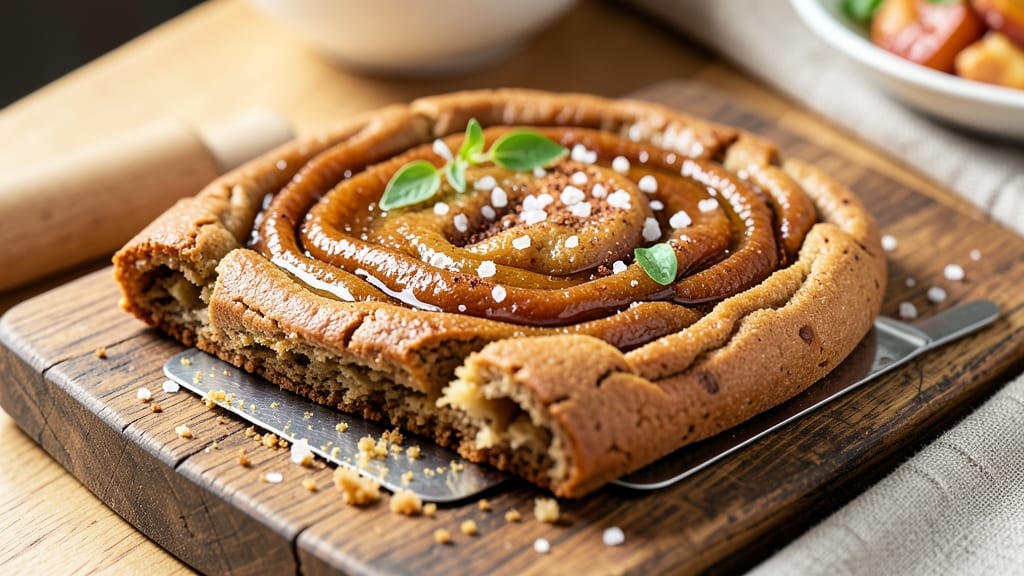
This brown sugar roll-out cookie recipe delivers the perfect balance of sandpaper crunch and caramelized sweetness that makes them irresistible. The secret lies in the dough's texture—firm enough to roll and cut cleanly, yet tender enough to melt in your mouth.
I've perfected this recipe over years of holiday baking, ensuring every batch turns out with that signature crisp edge and chewy center.
The magic happens with the right ratio of butter to brown sugar, which creates that signature texture while keeping the cookies sturdy enough to handle rolling and cutting.
A touch of vanilla and a pinch of salt enhance the caramelized flavors, while cinnamon adds warmth that pairs beautifully with coffee or milk. The dough is simple to prepare but requires patience—chilling is key to preventing cracking when you roll it out.
Once baked, these cookies develop a golden-brown crust with just the right amount of crispness, while the inside remains soft and slightly gooey. The aroma alone will fill your kitchen with nostalgia, making them perfect for holidays, potlucks, or a cozy afternoon treat.
With just a few simple ingredients and a little time, you'll have cookies that taste like they came straight from a bakery.
For extra indulgence, drizzle with a simple vanilla glaze or sprinkle with coarse sugar before baking. These cookies stay fresh for days, making them ideal for gifting or meal prep. Let's get started on creating your own batch of these classic, crowd-pleasing treats.
Ingredients for brown sugar roll out cookie
These classic cookies need just 12 simple ingredients for bakery-style perfection.
| Ingredient | Amount | Notes |
|---|---|---|
| All-Purpose Flour 🌾 | 3 ½ cups | Spooned and leveled, not packed |
| Light Brown Sugar 🍯 | 1 ½ cups | Packed firmly for accuracy |
| Unsalted Butter 🧈 | 1 cup | Cold, cubed for even mixing |
| Pure Vanilla Extract 🍃 | 2 tsp | High-quality, not imitation |
| Ground Cinnamon 🌿 | 1 ½ tsp | Freshly ground preferred |
| Fine Sea Salt 🧂 | ½ tsp | Diamond Crystal preferred |
| Granulated Sugar 🍚 | ½ cup | For sprinkling before baking |
| Large Eggs 🥚 | 1 whole | Room temperature for mixing |
| Whole Milk 🥛 | ¼ cup | Full-fat for richness |
| Vanilla Glaze Powdered Sugar 🍯 | 1 cup | For optional drizzle (optional) |
| Heavy Cream 🥛 | 1 tbsp | For optional vanilla glaze |
| Vanilla Extract 🍃 | ½ tsp | For optional vanilla glaze |
The butter and brown sugar ratio is everything—cold cubed butter creates pockets of fat that melt into crisp edges, while packed brown sugar ensures that signature chewy center. Kroger or store-brand butter works fine, but if you've got Plugrá or European-style butter, use it—it's worth the extra cost. The brown sugar? Light or dark, but light gives a slightly crispier texture. Measure it packed—tap it into the cup and level off. For the flour, King Arthur or Gold Medal brands are my go-tos, but any all-purpose will do. Just don't pack it—spoon it in and level. That dough needs to be firm enough to roll but not crumbly.
No vanilla extract? Vanilla bean paste works too, or even vanilla sugar at half the amount. Running short on milk? Heavy cream or water in a pinch, but milk's fat content keeps the cookies tender. The cinnamon can be swapped for pumpkin pie spice if you're feeling festive, but stick to the cinnamon for that classic flavor. For the glaze, store-bought vanilla glaze mix (like Betty Crocker) is a lifesaver if you're short on time. Just add milk or cream to reach the right consistency. And if you're feeling fancy, toss in a pinch of coarse sugar before baking for extra crunch.
This dough is a 24-hour chilling project, but trust me—it's worth it. Wrap it tightly in plastic and refrigerate. The longer it rests, the better the texture. Once baked, store in an airtight container for up to 5 days—they'll stay soft and chewy. For gifting, freeze the dough balls before baking. They'll keep for 3 months in the freezer, and you can bake straight from frozen. Pro tip: Let baked cookies cool on a wire rack for 10 minutes before stacking—they crisp up faster that way.
Why You'll Love This Recipe
- No-Rolling Required: I swear by this trick—just press the dough flat with a rolling pin, no fancy shaping. The butter keeps it tender while the brown sugar gives it that perfect chewy bite without any fuss.
- Warm Spice Magic: That cinnamon and vanilla combo? It’s like a hug in cookie form. The brown sugar caramelizes just enough to make every bite taste like a bakery’s secret, and the butter keeps it rich without being heavy.
- Party in a Pan: Between us, these are my go-to for holidays, potlucks, or even a lazy Sunday. Roll them out, cut into shapes, and bake—no one will guess they’re basically foolproof. (Yes, even on a Tuesday night.)
- Budget-Friendly Batch: Uses pantry staples and stretches far—perfect for when you’re broke but still want to feel fancy. The dough stays fresh for days, and the flavor only gets better as the spices mellow. My wallet and taste buds thank me.
Step-by-step instructions for brown sugar roll out cookies
This dough is your playground—simple to shape, impossible to resist once baked.
Cream Butter and Brown Sugar Until Fluffy
In a stand mixer fitted with the paddle attachment, combine the 1 cup unsalted butter (cold and cubed) and 1.5 cups light brown sugar. Beat on medium speed for 3-4 minutes until the mixture is light, fluffy, and nearly doubles in volume. You're looking for a pale, ribbon-like consistency when you lift the paddle—this incorporates air that creates the signature texture.
Here's the thing—don't rush this step. The butter needs to fully emulsify with the sugar to create that perfect sandpaper crunch. If the mixture still looks grainy after 4 minutes, add the 2 teaspoons pure vanilla extract and mix for another 30 seconds to help break down any remaining butter lumps. The dough's final texture depends entirely on this creaming process.
Mix in Dry Ingredients and Wet Components
In a separate bowl, whisk together the 3.5 cups all-purpose flour, 1.5 teaspoons ground cinnamon, and 0.5 teaspoon fine sea salt. With the mixer running on low speed, gradually add the dry ingredients to the butter mixture, mixing just until combined. You'll see streaks of flour disappear, but don't overmix—stop when the dough starts to clump together.
Add the 1 whole large egg and 0.25 cup whole milk, mixing on low speed until everything comes together into a smooth, pliable dough. If the dough feels too dry, add 1 teaspoon milk at a time until it holds together when pressed. The dough should be soft but not sticky—think playdough consistency. Wrap it tightly in plastic wrap and refrigerate for at least 2 hours (or up to 48 hours).
Roll and Cut the Dough
Preheat your oven to 350°F and line two baking sheets with parchment paper. On a lightly floured surface, roll the chilled dough to ¼-inch thickness. Here's where the magic happens: sprinkle the entire sheet with 0.5 cup granulated sugar—this creates the signature caramelized crust. Use a 3-inch round cutter to cut out cookies, pressing down firmly to ensure clean edges.
Place the cutouts 2 inches apart on the prepared baking sheets. If you have scraps, gently reroll and cut again. The dough is forgiving, but don't overwork it—each time you reroll, the gluten develops and makes the cookies tough. Let the cookies rest for 10 minutes before baking to prevent spreading.
Bake to Golden Perfection
Bake the cookies for 10-12 minutes until the edges are golden brown and the centers look slightly underdone. They'll continue baking on the hot sheet after removal. Watch closely after 8 minutes—the sugar starts caramelizing quickly, and you want that beautiful color without burning.
Let the cookies cool on the baking sheet for 5 minutes before transferring to a wire rack. The centers will firm up as they cool, but they'll stay soft inside with that signature sandpaper crunch. For extra indulgence, make the optional vanilla glaze by whisking together 1 cup vanilla glaze powdered sugar, 1 tablespoon heavy cream, and 0.5 teaspoon vanilla extract until smooth. Drizzle over cooled cookies while the glaze is still runny.
Pro Tips For Making Brown Sugar Roll Out Cookie
- Chill the Dough First: I learned this the hard way—rolling out warm dough makes it sticky and uneven. Wrap the dough in plastic and refrigerate for at least 30 minutes before rolling. It’ll firm up just enough to handle without sticking, and the cookies will hold their shape better when baking.
- Use Cold Butter, Not Soft: This isn’t the prettiest method, but it’s the tastiest. Cream the butter and brown sugar until light but still with little flecks of white—it should hold its shape when pressed. If it’s too soft, the cookies will spread too much and lose that classic chewy texture.
- Roll Evenly, Cut Precisely: Skip the freehand cuts if you want consistent cookies. Use a bench scraper or ruler to guide your rolling pin for an even thickness (about ¼ inch), then cut with a sharp knife or cookie cutter. Uneven rolling leads to some cookies being dense and others crisp—no one wants that.
- Bake One Sheet at a Time: I was skeptical until I tried it: crowding the pan makes the edges overbrown while the centers stay doughy. Space cookies 2 inches apart on a single sheet, and rotate halfway through baking at 350°F for even cooking. Two batches? Use the second pan, but don’t stack them.
Pro cooking tips for this recipe
Butter Temperature Matters
The secret to that perfect sandpaper crunch lies in using cold cubed butter—never softened. I like to cut my butter into ½-inch cubes and let it sit at room temperature for just 10-15 minutes before mixing. This ensures it's soft enough to cream but still holds its shape.
If your butter melts too quickly, chill the bowl for 5 minutes before continuing. The goal is to trap air pockets that create those signature crisp edges. 🧈
Dough Chilling is Non-Negotiable
Never skip chilling the dough! I've learned this the hard way—skipping this step leads to cracking when rolling. Wrap the dough tightly in plastic wrap and refrigerate for at least 2 hours, but I prefer 24 hours for maximum flavor development.
For extra insurance, freeze the dough for 30 minutes before rolling. The colder dough is easier to handle and cuts cleanly without tearing. Pro tip: Place a wooden rolling pin in the freezer for 10 minutes before use—it helps keep the dough cool longer.
Rolling Pin Technique
Use a light touch when rolling—press down gently but evenly to maintain ¼-inch thickness. I like to use a marble or glass rolling pin because they stay cooler than wood. If the dough starts sticking, dust with just enough flour to prevent it from becoming dry.
Rotate the dough ¼ turn after each roll to prevent uneven thickness. For perfect circles, use a 3-inch round cutter and press firmly to ensure clean edges. Don't press too hard, or you'll compress the dough and lose that tender texture. ✨
Sugar Sprinkle Timing
The ½ cup granulated sugar sprinkle is what creates that caramelized crust, but timing is everything. Sprinkle it right before cutting the dough—this ensures it melts into the edges during baking. For extra crunch, I like to add coarse sugar around the edges of each cookie before baking.
If you're short on time, skip the sprinkle and add 1 teaspoon sugar to the dough before rolling—just know the crust won't be as crisp. The sugar starts caramelizing at 320°F, so keep an eye on them after 8 minutes in the oven.
Baking Sheet Spacing
Place cookies 2 inches apart on the baking sheet—this prevents them from spreading into each other and ensures even baking. I use parchment paper for easy removal and to prevent sticking. For extra crisp edges, bake on the middle rack where heat is most consistent.
If your oven runs hot, rotate the pans halfway through baking for even golden-brown color. Let cookies cool on the sheet for 5 minutes before transferring—they'll firm up as they cool but stay soft inside. 🔥
Glaze Application Tricks
For the vanilla glaze, whisk the powdered sugar until smooth to avoid lumps. Drizzle it over completely cooled cookies—warm cookies will make the glaze melt into a sticky mess. I like to use a small squeeze bottle for even coverage.
For a marbled effect, swirl the glaze with a toothpick before it sets. If the glaze is too thick, add 1 teaspoon milk at a time until it reaches a pourable consistency. Let the glaze set for 10 minutes before stacking or serving.
Trust me, this makes all the difference! 💫
Nutrition facts
Frequently asked questions
Why does my brown sugar cookie dough crack when rolling?
The most common cause is insufficient chilling. These cookies require at least 2 hours of refrigeration to firm up, but 24 hours is ideal. Cold dough prevents cracking and makes rolling much easier. If you're short on time, freeze the dough for 30 minutes before rolling. Also, avoid overworking the dough—too much handling develops gluten and makes it tough.
Can I substitute white sugar for the brown sugar?
You can use white sugar, but you'll lose that signature sandpaper crunch and caramelized flavor. For the best texture, stick with brown sugar. If you must substitute, replace ½ cup of the brown sugar with white sugar, but reduce the milk by 1 teaspoon since white sugar absorbs less moisture. The cookies will be slightly sweeter but still delicious.
How do I store these cookies to keep them soft?
Store cookies in an airtight container at room temperature for up to 5 days. For longer storage, freeze the dough balls (before baking) for up to 3 months. Bake straight from frozen, adding 1-2 extra minutes to the baking time. To maintain softness, place a slice of bread in the container—it helps preserve moisture. For gifting, package baked cookies in cellophane bags with a paper towel to absorb any excess moisture.
What shapes work best for roll-out cookies?
Classic 3-inch circles are perfect, but you can also try wreaths, stars, or rectangles for sandwich cookies. Use a sharp cutter for clean edges—dull cutters crush the dough and make the cookies tough. For intricate shapes, chill the cutter in the freezer for 5 minutes before use to prevent sticking. Pro tip: Press firmly but gently when cutting to avoid compressing the dough.
Can I make these cookies without an egg?
Yes! Replace the 1 egg with ¼ cup unsweetened applesauce or ¼ cup plain yogurt for binding. For a vegan option, use ¼ cup flaxseed meal mixed with 3 tablespoons water (let it sit for 5 minutes to thicken). The texture will be slightly denser, but the flavor remains rich. If using applesauce, reduce the milk by 1 tablespoon to balance moisture.