
Desserts
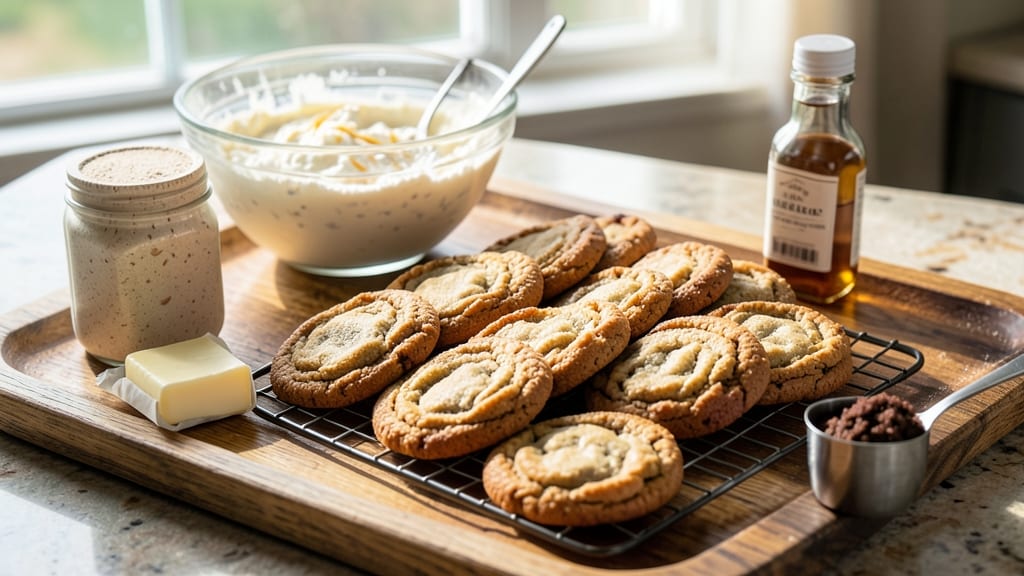
This basic gluten-free cookie recipe delivers the perfect balance of crispy edges and chewy centers—without sacrificing flavor or texture. The secret lies in a blend of gluten-free flour and xanthan gum, which mimics the structure of traditional cookies while keeping them tender.
I’ve tested this recipe countless times, and it never fails to impress, even with picky eaters. What sets this apart is the technique: chilling the dough for 30 minutes ensures even baking, while a splash of vanilla and melted butter keeps the cookies rich and aromatic.
The result? Cookies with a golden, crackly exterior and a soft, fudgy interior—just like the classics, but gluten-free. No one will believe they’re made without wheat flour. The best part? This recipe uses simple ingredients you likely already have, and the instructions are straightforward enough for beginners.
Whether you’re avoiding gluten or simply experimenting, these cookies are a game-changer for dessert lovers. Ready to bake? Let’s get started—your kitchen will smell like a bakery in no time.
Ingredients for basic gluten free cookie
The secret to crispy edges and chewy centers lies in these carefully chosen ingredients.
| Ingredient | Amount | Notes |
|---|---|---|
| Gluten-Free All-Purpose Flour Blend 🌾 | 1 ½ cups | With xanthan gum included |
| Unsalted Butter 🧈 | ¾ cup | Cold, cubed for even baking |
| Granulated Sugar 🍚 | ¾ cup | Superfine preferred for smooth texture |
| Packed Brown Sugar 🍚 | ½ cup | Light or dark variety |
| Pure Vanilla Extract 🍯 | 1 tsp | Imitation-free for authentic flavor |
| Large Eggs 🥚 | 2 whole | Room temperature for even mixing |
| Salt 🧂 | ½ tsp | Diamond Crystal preferred |
| Baking Soda 🧪 | ½ tsp | Ensures proper rise |
| Chocolate Chips 🍫 | 1 ½ cups | Semi-sweet or milk chocolate |
| White Chocolate Chips 🍫 | ½ cup | Optional for variety |
| All-Purpose Flour 🌾 | ¼ cup | Regular flour for structure |
| Granulated Sugar 🍚 | ¼ cup | For sprinkling on top |
| Flaky Sea Salt 🧂 | 1 tsp | For finishing touch |
The gluten-free flour blend is non-negotiable—King Arthur or Bob’s Red Mill are the gold standards, as they include xanthan gum for structure. If your blend lacks xanthan gum, add 0.5 teaspoon separately. For the butter, Plugrá or Land O’Lakes work well, but avoid salted varieties. The sugar ratio matters: superfine dissolves faster, but regular granulated works in a pinch if pulsed in a food processor. Chocolate chips? Ghirardelli or Enjoy Life brands melt perfectly without burning. Store your flour blend in an airtight container to prevent moisture absorption, and keep chocolate chips sealed to maintain freshness.
No gluten-free flour blend? Substitute with a 1:1 gluten-free flour mix plus 0.5 teaspoon xanthan gum. Running low on vanilla? Vanilla bean paste works too, though the flavor differs slightly. For a dairy-free option, use coconut oil instead of butter—reduce by 0.25 cup and chill the dough longer. The baking soda can be swapped for baking powder at double the amount, though texture may vary. If you’re out of chocolate chips, chopped nuts or dried fruit add a pleasant crunch. Always measure flour by weight if possible—1 cup gluten-free flour weighs less than regular flour, so volume measurements can be inconsistent.
Chill the dough for 30 minutes minimum—this prevents spreading and ensures crispy edges. Store baked cookies in an airtight container with parchment paper between layers to maintain freshness for up to 5 days. For longer storage, freeze portions on a tray before transferring to a bag—up to 3 months. Reheat in a 200°F oven for 3-5 minutes to restore crispiness. The chocolate chips soften over time, so if cookies seem dry, a quick warm-up in the oven revives them perfectly.
Why You'll Love This Recipe
- Same dough, endless uses: drop cookies for parties, cut into shapes for kids, or bake a tray for movie nights. (Yes, even on a Tuesday night.)
- No Fuss Mix-Ins: I keep a jar of this blend ready—just toss in chocolate chips or nuts when I’m in a rush. The flour’s already balanced, so no measuring headaches or weird textures.
- Buttery Vanilla Hug: That creamed butter and brown sugar combo? It’s like a warm, chewy embrace in every bite. The vanilla extract ties it all together—subtle but undeniable.
- Holiday or Snack Attack: Same dough, endless uses: drop cookies for parties, cut into shapes for kids, or bake a tray for movie nights. (Yes, even on a Tuesday night.)
Step-by-step instructions for gluten-free cookies with perfect texture
Mastering gluten-free cookies requires precision—here's how to achieve crispy edges and chewy centers every time.
Cream Butter and Sugars to Ideal Consistency
In a stand mixer fitted with the paddle attachment, combine the 0.75 cup unsalted butter with the 0.75 cup granulated sugar and 0.5 cup packed brown sugar. Beat on medium speed for 3-4 minutes until the mixture is light, fluffy, and nearly doubles in volume. You'll notice the color lighten and tiny air bubbles form—this aeration is critical for achieving that signature cookie texture.
Here's the thing—gluten-free dough behaves differently. The xanthan gum in the 1.5 cups gluten-free all-purpose flour blend needs proper incorporation, so don't rush this step. The butter should be soft but not melted (cold cubes work best), and the sugars should dissolve completely without leaving any gritty texture. If your mixer struggles, switch to a hand mixer for better control.
Incorporate Wet Ingredients and Prepare the Dough
Add the 2 whole large eggs one at a time, mixing on low speed for 30 seconds after each addition. Then add the 1 tsp pure vanilla extract, 0.5 tsp salt, and 0.5 tsp baking soda, mixing just until combined. The dough will appear slightly curdled at first, but don't worry—this will resolve when you add the dry ingredients.
In a separate bowl, whisk together the 1.5 cups gluten-free all-purpose flour blend and the 0.25 cup all-purpose flour. Gradually add this dry mixture to the wet ingredients, mixing on low speed just until combined. The dough will be thicker than traditional cookie dough, almost like a stiff batter. This is normal—gluten-free dough lacks the elasticity that makes regular dough stretchy.
Fold in the 1.5 cups chocolate chips and 0.5 cup white chocolate chips by hand using a silicone spatula. Make sure they're evenly distributed throughout the dough. For best results, use room-temperature chocolate chips—they'll melt more evenly during baking and create those perfect pockets of gooey goodness.
Chill for Optimal Texture Development
Cover the dough with plastic wrap and refrigerate for at least 1 hour, or up to 24 hours for even better results. This chilling step is absolutely critical for gluten-free cookies. The cold temperature firms up the butter, preventing excessive spreading in the oven. It also allows the gluten-free flour blend to fully hydrate, which improves texture and prevents crumbly cookies.
I know it seems counterintuitive to wait when you're eager to bake, but trust me—this step makes all the difference. The dough will firm up significantly during chilling, making it easier to handle and portion. If you're short on time, the 1-hour minimum will still help, but longer chilling yields better results.
Preheat and Prepare for Baking
Preheat your oven to 350°F. Line two baking sheets with parchment paper or silicone baking mats. The dough should be cold when you start baking—if it's been in the fridge, let it sit at room temperature for 5-10 minutes before scooping to make handling easier.
Using a 2-tablespoon cookie scoop or tablespoon, portion the dough into 1-inch balls and place them 3 inches apart on the prepared baking sheets. The spacing is important—gluten-free cookies don't spread as much as traditional cookies, but they still need room to breathe and develop crispy edges.
Create a small well in the center of each dough ball with your thumb, then sprinkle with the 0.25 cup granulated sugar and 1 tsp flaky sea salt. This gives you that beautiful caramelized sugar crust and enhances the flavor profile. Bake for 12-14 minutes until the edges are golden brown but the centers still look slightly underdone.
Bake to Crispy Perfection and Finish Properly
Remove the cookies from the oven when they're 90% done—they'll continue cooking on the hot baking sheet. Let them cool on the baking sheet for 5 minutes before transferring to a wire rack to cool completely. This resting period is crucial—it allows the cookies to set properly and prevents them from becoming too soft.
The key to crispy edges with chewy centers lies in this baking technique. You want the edges to be deep golden brown with some caramelization, while the centers should remain soft and slightly underbaked. If you bake them too long, they'll dry out. If you remove them too soon, they might not develop that perfect crispy texture.
For the final touch, sprinkle additional flaky sea salt on top while the cookies are still warm. Serve them at room temperature for the best texture contrast—crispy edges that give way to a soft, chewy center with pockets of melted chocolate.
Pro Tips For Making Basic Gluten Free Cookie
- CHILL THE DOUGH: Gluten-free cookies spread more than regular ones, so pop your dough in the fridge for 30–60 minutes before baking—even if the recipe doesn’t say to. I learned this the hard way when my first batch turned into pancakes.
- WEIGH THE BROWN SUGAR: Pack that brown sugar tightly into the measuring cup—don’t scoop and level. The difference between packed and loose is about 3 tablespoons, and loose sugar means under-sweetened, dry cookies. (Yes, even if you’re impatient like me.)
- BAKE ONE TRAY AT A TIME: Gluten-free cookies bake faster and hotter than wheat-based ones. Overcrowding the pan leads to uneven edges and a sad, gummy center. Give them room—space them 2 inches apart—and rotate the tray halfway through.
- USE COLD BUTTER: Cut that butter straight from the fridge and mix it into the dry ingredients until it’s just pea-sized crumbles. Warm butter creates a tough, greasy cookie. Cold butter? Perfectly tender, flavorful bites every time. (Your future self will thank you.)
Wine and beer pairings for basic gluten free cookie
Sweet Wine Pairings
Gluten-free cookies pair beautifully with sweet dessert wines that complement their rich chocolate and buttery flavors. A Moscato d'Asti from Italy—light, fizzy, and with hints of peach—cuts through the richness while enhancing the vanilla notes.
I love sipping this chilled wine alongside warm cookies, as its slight sweetness balances the caramelized sugar crust. 🍷
For a bolder option, try a Port wine like a Ruby Port—its berry and chocolate undertones mirror the cookie's flavors while adding depth. Serve at room temperature to let the wine's natural sweetness shine against the crispy edges.
A small glass (about 3-4 ounces) is perfect for pairing without overwhelming the delicate cookie texture.
Creamy Beer Options
If you prefer beer, a Belgian-style witbier like Hoegaarden or Stella Artois works surprisingly well. The citrusy notes from coriander and orange peel in these beers refresh your palate between bites of chocolatey cookie. Serve it ice-cold to highlight its crisp, effervescent quality—about 12 ounces per serving. 🍺
For a richer pairing, opt for a honey-brown ale like Samuel Smith's Nut Brown Ale. The caramel and toasty malt flavors in the beer echo the brown sugar in the cookies, creating a harmonious match.
The slight bitterness from the hops also balances the sweetness, making each bite and sip more enjoyable.
Coffee and Tea Enhancements
No wine or beer on hand? A strong espresso or dark roast coffee elevates the cookie experience. The bold, slightly bitter notes of the coffee contrast the sweetness of the cookies, while the warmth of the drink enhances the chocolate flavors.
I like to serve cookies with a shot of espresso and a sprinkle of cocoa powder for an Italian-inspired treat. ☕
Herbal teas like chamomile or Earl Grey offer a lighter alternative. The floral notes in Earl Grey complement the vanilla and butter in the cookies, while the bergamot adds a bright, citrusy finish.
Brew a cup alongside your cookies for a cozy, comforting pairing that’s perfect for any time of day.
Seasonal Adaptations
In summer, swap the wine for a sparkling rosé—its crisp acidity and berry flavors pair wonderfully with the cookies' sweetness. The bubbles also cleanse your palate between bites, making each cookie feel fresh. Look for a Provençal rosé like Whispering Angel for a classic choice. 🍇
For winter gatherings, a spiced red wine like Mulled Wine (made with cloves, cinnamon, and orange peel) adds warmth and depth. The spices in the wine echo the caramelized sugar on the cookies, creating a festive, cozy pairing that’s perfect for holiday baking.
Serve warm for an extra touch of comfort.
Nutrition facts
Frequently asked questions
Why does gluten-free cookie dough look different than regular dough?
Gluten-free dough lacks the elastic gluten proteins found in wheat flour, so it appears thicker and stickier. The xanthan gum in the flour blend helps bind ingredients, but the dough will be more like a stiff batter than stretchy cookie dough. This is completely normal—don't be tempted to add extra liquid! The texture transforms beautifully when baked.
Can I make these cookies without xanthan gum?
Yes, but you'll need to add 0.5 teaspoon xanthan gum separately if your gluten-free flour blend doesn't include it. This binding agent replaces gluten's structural role. Without it, your cookies may spread excessively or crumble. For a quick test, try 1 teaspoon psyllium husk powder as an alternative—it works similarly for texture.
How do I prevent gluten-free cookies from spreading too much?
Chilling the dough for the full 1-2 hours is your best defense—this firms up the butter and prevents excessive spreading. Also, scoop dough balls slightly smaller (1-inch diameter) and bake at 350°F for exactly 12-14 minutes. For extra insurance, use a cookie scoop and place dough balls 3 inches apart on the baking sheet.
What if my gluten-free cookies turn out dry or crumbly?
Dry cookies usually mean overbaking or insufficient fat. Try reducing baking time by 1 minute next time, and make sure your butter is cold (not melted). For crumbly texture, ensure your gluten-free flour blend contains xanthan gum, and don't overmix the dough. A quick fix for dry cookies: brush warm cookies with melted butter while still on the baking sheet.
Can I substitute almond flour for the gluten-free blend?
Not directly—almond flour has very different properties. For a 1:1 substitution, mix 1 cup almond flour with 0.5 cup gluten-free all-purpose flour plus 0.5 teaspoon xanthan gum. Almond flour adds richness but reduces spread, so you may need to adjust baking time. Test with 1 batch first, as it affects both texture and flavor significantly.