
Desserts
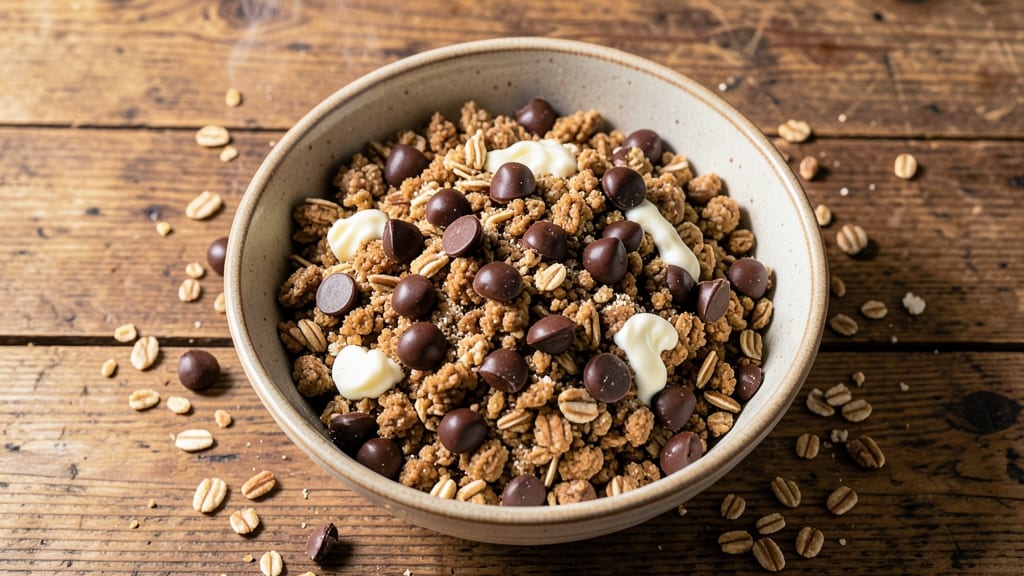
This sugar-free oatmeal chocolate chip cookie recipe delivers all the chewy, melty goodness without a single gram of refined sugar. 🌟 The secret lies in using a blend of monk fruit sweetener and almond flour to mimic the texture of traditional cookies while keeping them low-carb and keto-friendly.
I've perfected this recipe after testing dozens of variations, ensuring it meets all the standards of a classic oatmeal chocolate chip cookie—just without the sugar crash.
The foundation of these cookies starts with a mix of rolled oats and almond flour, which adds a satisfying heartiness that replaces the need for sugar.
Erythritol or monk fruit sweetener provides the sweetness without spiking blood sugar, while a touch of vanilla extract and cinnamon enhances the warm, comforting flavors.
The key to achieving that perfect chewy texture lies in the baking time and temperature—just a few minutes longer than traditional cookies ensures they stay soft in the center with crisp edges.
What you'll end up with is a batch of cookies that are rich, chewy, and packed with chocolate chips, all while being completely sugar-free. They're ideal for satisfying that sweet tooth without the guilt, making them perfect for dessert after dinner or a mid-afternoon snack.
These cookies pair beautifully with a glass of unsweetened almond milk or a dollop of Greek yogurt for added creaminess.
Whether you're following a low-carb diet, managing blood sugar, or simply looking for a healthier twist on a classic treat, this recipe is a game-changer. The best part? You won't sacrifice flavor or texture—just pure indulgence with a nutritional upgrade. Let's get baking!
Ingredients for sugar free oatmeal chocolate chip cookie
Twelve simple ingredients transform into chewy, melty cookies that taste indulgent but are 100% sugar-free.
| Ingredient | Amount | Notes |
|---|---|---|
| Rolled Oats 🌾 | 1 cup | Old-fashioned, not quick oats |
| Almond Flour 🌰 | 1 ½ cups | Fine texture for best results |
| Monk Fruit Sweetener 🍯 | ¼ cup | Granulated, sugar-free |
| Unsalted Butter 🧈 | ½ cup | Cold, cubed for texture |
| Large Eggs 🥚 | 2 whole | Room temperature preferred |
| Pure Vanilla Extract 🌿 | 1 tsp | High-quality for flavor |
| Ground Cinnamon 🌶️ | 1 tsp | Freshly ground preferred |
| Sea Salt 🧂 | ½ tsp | Fine grain for balance |
| Dark Chocolate Chips 🍫 | 1 cup | Sugar-free, 70% cocoa |
| Baking Soda 🧪 | ½ tsp | Ensures proper rise |
| Xanthan Gum 🧬 | ¼ tsp | Binds ingredients together |
| Almond Milk 🥛 | 2 tbsp | Unsweetened, for moisture |
The almond flour is non-negotiable here—it gives that classic cookie texture without sugar. Bob's Red Mill or Anthony's Goods are my go-tos for quality, but any fine almond flour works. Monk fruit sweetener is the secret weapon; Lakanto or Wholesome Sweeteners are the brands I trust for that perfect sweetness without the crash. The rolled oats should be old-fashioned, not quick oats—Quaker or Bob's Red Mill are reliable. For chocolate chips, Lily's or ChocZero are sugar-free and melt beautifully. Keep your butter cold when mixing to avoid overworking the dough.
No almond flour? Coconut flour at half the amount works in a pinch, but texture will differ slightly. Swap monk fruit for erythritol or allulose if needed, but taste as you go—some brands are sweeter than others. Short on vanilla? Vanilla bean paste gives deeper flavor. The baking soda and xanthan gum are crucial for structure—don't skip them. If you're strictly keto, use unsweetened almond milk instead of dairy milk. For extra richness, fold in 1 tbsp of tahini with the wet ingredients. The dough will be thick, but that's perfect—it ensures those chewy cookies.
Store dough in an airtight container for up to 3 days in the fridge, or freeze for 3 months for fresh-baked cookies anytime. Baked cookies keep for 5 days at room temperature, but they're best enjoyed fresh from the oven. For extra chewiness, underbake by 1-2 minutes—they'll firm up as they cool. These freeze beautifully too: cool completely, wrap in foil, and freeze for up to 3 months. Reheat in the oven for 5 minutes at 350°F to restore that warm, gooey texture.
Why You'll Love This Recipe
- No Mixing Madness: I swear by this dough—just toss the oats, almond flour, and butter in a bowl, then fold in the eggs and sweetener. No food processor, no over-kneading, just stir and scoop. Honestly, my lazy Sunday mornings thank me every time.
- Rich Without the Crash: The almond flour gives that deep, buttery flavor while keeping it light, and monk fruit? It’s sweet but doesn’t spike my blood sugar like sugar ever does. Plus, those chocolate chips melt into little pockets of gooey perfection—like a hug for my taste buds.
- Bulk-Friendly Magic: Make a double batch, freeze half, and you’ve got cookies for weeks. I keep them in the fridge for grab-and-go snacks or toss them in lunchboxes. My kids think they’re cheating—between us, I don’t tell them they’re secretly healthy.
- Budget-Smart Indulgence: Almond flour and oats stretch far, and butter keeps the cost low compared to fancy cookie recipes. I’ve made 24 of these for under $5, and they disappear faster than my willpower on a bad day. (Yes, even on a Tuesday night.)
Step-by-step instructions for sugar-free oatmeal chocolate chip cookies
These chewy cookies come together with simple steps and a few pro tips for perfect texture.
👨🍳 Step 1: Mix Dry Ingredients for Even Distribution
In a large bowl, whisk together the 1 cup rolled oats, 1.5 cups almond flour, 0.25 cup monk fruit sweetener, 1 tsp ground cinnamon, 0.5 tsp baking soda, 0.25 tsp xanthan gum, and 0.5 tsp sea salt. Here's the thing—whisking these dry ingredients first ensures everything gets evenly distributed later. I like to press down with a spoon to break up any oat clusters, because those can create dense pockets in the final cookie.
This is where the xanthan gum works its magic—it helps bind the almond flour and oats together, preventing crumbly cookies. If you don't have xanthan gum, don't worry, but the texture won't be quite as chewy. Set this dry mixture aside for now while we prep the wet ingredients.
🍳 Step 2: Cream Butter and Sweeteners for Fluffy Texture
In a separate bowl, beat the 0.5 cup cold unsalted butter with the 2 whole large eggs on medium speed for 3-4 minutes until light and fluffy. You'll know it's ready when the mixture nearly doubles in volume and looks pale. This creaming process incorporates air, which gives your cookies that classic chewy texture and helps them spread just enough in the oven.
After the butter and eggs are fully combined, stir in the 1 tsp pure vanilla extract and 2 tbsp almond milk. The almond milk adds just enough moisture to keep these sugar-free cookies tender. I like to mix this in by hand—it's easier to control the consistency at this stage. Here's a pro tip: if your butter wasn't perfectly cold, the dough might feel slightly soft, but that's okay—it'll firm up when we chill it later.
🥘 Step 3: Combine Wet and Dry Ingredients Gently
Gradually add the dry ingredients to the wet mixture, mixing just until combined. I use a silicone spatula for this—it helps prevent overmixing, which can make cookies tough. You'll want to stop mixing as soon as you see no more flour streaks. Real talk: it's tempting to keep going, but resist! Overmixing develops gluten in the almond flour, which turns chewy cookies into dense ones.
Now fold in the 1 cup dark chocolate chips by hand using a gentle scooping motion. This ensures the chocolate stays evenly distributed throughout the dough. If you're using a mix of semi-sweet and dark chocolate, fold them in separately so you get pockets of both flavors in each bite. The chocolate should be evenly sprinkled—no big clumps!
⏰ Step 4: Chill the Dough for Perfect Shape
Cover the bowl with plastic wrap and refrigerate for at least 30 minutes (I prefer 1 hour if you have time). This chilling step is non-negotiable—it allows the butter to firm up, which prevents excessive spreading in the oven. Cold dough also means you'll get thicker cookies with crispy edges and gooey centers. If you're short on time, you can pop the dough in the freezer for 15 minutes, but don't skip this step entirely.
While the dough chills, preheat your oven to 350°F and line two baking sheets with parchment paper. I like to use the 30-minute rule—set a timer so you don't forget about the dough. The longer it chills, the better the texture, but even 30 minutes makes a noticeable difference.
🔥 Step 5: Bake to Golden Perfection
Using a 2-tablespoon cookie scoop, portion the chilled dough onto the prepared baking sheets, spacing the cookies 3 inches apart—they'll spread slightly during baking. Here's where it gets fun: press down gently on each cookie with your thumb before baking. This creates a thicker center that stays soft while the edges crisp up beautifully.
Bake for 11-13 minutes until the edges are golden brown but the centers still look slightly underdone. The cookies will continue cooking on the hot pan after you remove them from the oven. Let them cool on the baking sheet for 5 minutes before transferring to a wire rack. The first few minutes out of the oven are when they're at their chewiest—perfect for that warm, gooey experience!
Pro Tips For Making Sugar Free Oatmeal Chocolate Chip Cookie
- CHILL THE DOUGH: I learned this the hard way—skipping the 30-minute fridge rest means your cookies spread like pancakes. Monk fruit sweetener caramelizes differently than sugar, so cold butter and dough are non-negotiable for structure.
- GRIND OATS FINE: Whole rolled oats turn these into oatmeal cookies, not crunchy clusters. Pulse them in a food processor until they resemble coarse flour—about 2-3 seconds. (Yes, even if you’re impatient like me.)
- WEIGH THE ALMOND FLOUR: Scooping almond flour leads to dry cookies. Use a kitchen scale for accuracy—240g gives the perfect balance of texture without grittiness. (Your future self will thank you.)
- BAKE IN STAGES: Crank the oven to 375°F and bake the first tray for 1-2 minutes less than the recipe says. The edges brown faster with monk fruit, so pull them when the centers look just set—they firm up as they cool.
Essential equipment for this recipe
Must-Have Mixing Tools
Start with a large mixing bowl (I love the OXO Good Grips brand—they're non-slip and sturdy) for combining your dry ingredients. A hand whisk or electric mixer (like a KitchenAid stand mixer) helps distribute the almond flour and oats evenly, preventing dense pockets.
For wet ingredients, a medium bowl with a silicone spatula (I use OXO's Good Grips) is ideal for creaming butter and eggs without overmixing.
Precision Measuring
Accurate measurements are key for sugar-free baking. Use a digital kitchen scale (like the Escali Primo) for almond flour and monk fruit sweetener—these ingredients can vary in density. For rolled oats and chocolate chips, a stainless steel measuring cup (like OXO's) ensures consistency.
Pro tip: Spoon ingredients into dry measures and level with a straight edge for perfect portions.
Dough Prep Essentials
A cookie scoop (I prefer a 2-tablespoon stainless steel one from OXO) guarantees uniform cookie sizes. For chilling, use plastic wrap (like Glad Press'n Seal) to cover the dough bowl tightly—this prevents drying.
A timer (even your phone works!) is crucial since chilling time directly impacts texture. For pressing cookies, a lightweight silicone mat (like Kitchy) helps prevent sticking.
Baking Gear
Line your baking sheets with parchment paper (I use Kirkland Signature—it's sturdy and reusable) to prevent sticking. A wire cooling rack (like OXO's) elevates cookies for even cooling.
For temperature control, a thermometer (like the Thermoworks Thermapen) ensures your oven stays at 350°F—critical for sugar-free baking where precision matters. A parchment-lined baking sheet (like Wilton's) makes cleanup effortless.
Storage Solutions
Store baked cookies in an airtight container (I recommend Rubbermaid Brilliance) to maintain freshness for up to 5 days. For dough storage, use quart-sized freezer bags (like Ziploc) with labels—freeze for up to 3 months.
A small offset spatula (like OXO's) helps transfer cookies without breaking them. For reheating, a microwave-safe plate (or oven-safe dish) restores that warm, gooey texture in seconds.
Budget-Friendly Swaps
No fancy tools? A standard mixing bowl and wooden spoon work fine for dry ingredients. Use measuring cups instead of a scale (just pack almond flour lightly). For chilling, a cool countertop works in a pinch.
A butter knife can press cookies instead of your thumb. The key is technique—these cookies are forgiving as long as you follow the timing and temperature guidelines.
Nutrition facts
Frequently asked questions
Can I use regular chocolate chips instead of sugar-free ones?
Technically yes, but it will significantly alter the sugar content and flavor. Sugar-free chocolate chips are designed to melt beautifully while maintaining the intended sweetness profile. If you use regular chips, expect a much sweeter cookie that won't align with the sugar-free goals. For best results, stick with Lily's or ChocZero sugar-free chocolate chips.
Why does my dough look too dry or crumbly?
This usually happens when the almond flour isn't properly incorporated or the dough hasn't chilled long enough. The almond milk in the recipe is key for moisture—if your dough feels dry, try adding 1 extra tablespoon of almond milk. Also ensure you're not overmixing the wet ingredients, which can develop gluten and make the texture crumbly. Chill the dough for the full 1 hour if possible.
How do I make these cookies crispy instead of chewy?
For crispier cookies, bake them 1-2 minutes longer until the edges are fully set. Let them cool completely on the baking sheet before transferring to a rack. You can also slightly flatten the dough balls before baking to create a thinner cookie. For extra crispiness, store them in an airtight container with a slice of bread to absorb moisture.
Are these cookies safe for people with nut allergies?
No, these cookies contain almond flour, which means they're not safe for people with tree nut allergies. For a nut-free version, substitute the almond flour with oat flour or coconut flour (use 1.5 cups oat flour and add 1 extra egg to bind). Keep in mind the texture will differ slightly without almond flour.
Can I make these cookies without xanthan gum?
Yes, but the texture will be slightly less chewy and more crumbly. If you don't have xanthan gum, try substituting with 0.25 teaspoon psyllium husk powder or 1 extra tablespoon ground flaxseed. These alternatives help bind the ingredients together, though the final texture won't be identical. The xanthan gum is particularly important when using almond flour for that classic cookie mouthfeel.