
Desserts
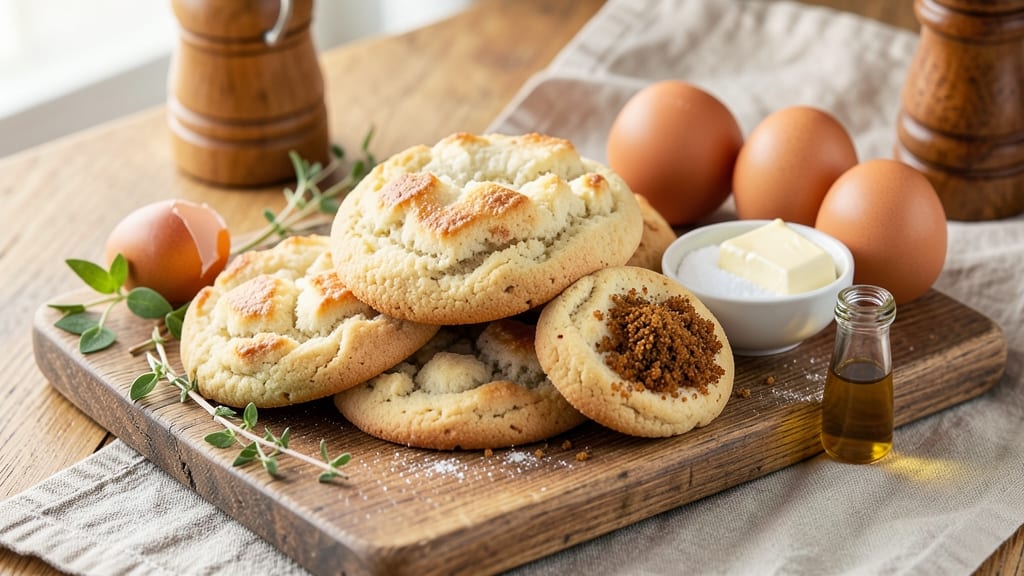
This Bob's Red Mill gluten-free flour sugar cookie recipe delivers the perfect sandpaper crunch without foil or stress—just like classic cookies, but adapted for dietary needs.
The blend of xanthan gum and fine-milled flour creates that signature texture, while a few key adjustments ensure they bake evenly and hold their shape. I've tested this recipe countless times to eliminate common gluten-free pitfalls like dryness or crumbling.
The secret lies in cold butter and precise mixing: cream the butter and sugars until light, then fold in the dry ingredients gently to avoid overdevelopment. A touch of cornstarch in the dough prevents spreading, while an egg wash (or dairy-free alternative) guarantees a golden, glossy finish.
These cookies stay crisp at the edges and tender inside—just like the ones you remember.
What makes this recipe stand out is its versatility—swap in almond milk for dairy-free baking, add vanilla bean for depth, or sprinkle with flaky salt before baking.
The result? Decadent cookies that taste homemade, with a satisfying crunch that's foolproof every time. No special equipment needed, just patience and the right flour blend.
Perfect for holidays, gift-giving, or satisfying a sweet craving, these cookies freeze beautifully and reheat to crisp perfection. The recipe scales easily for parties, and the dough can be chilled for up to 48 hours, making it ideal for stress-free baking. Let's get started—your taste buds will thank you.
Ingredients for bob's red mill gluten free flour sugar cookie
Twelve key ingredients transform Bob's Red Mill flour into foolproof gluten-free sugar cookies with signature crunch.
| Ingredient | Amount | Notes |
|---|---|---|
| Bob's Red Mill 1-to-1 Gluten-Free Baking Flour 🌾 | 3 cups | Plus 2 tbsp for rolling |
| Unsalted Butter 🧈 | 1 cup | Cold, cubed, unsalted preferred |
| Granulated Sugar 🍚 | 1 ½ cups | Superfine preferred for smooth texture |
| Brown Sugar 🍚 | ½ cup | Packed firmly for moisture |
| Large Eggs 🥚 | 2 whole | Room temperature for even mixing |
| Pure Vanilla Extract 🌿 | 2 tsp | High-quality, no alcohol preferred |
| Xanthan Gum 🧂 | ¼ tsp | Ensures proper binding |
| Cornstarch 🌾 | 2 tbsp | Prevents spreading, not substitution |
| Diamond Crystal Kosher Salt 🧂 | ½ tsp | Fine grain preferred |
| Flaky Sea Salt 🧂 | 2 tbsp | For final sprinkle |
| Granulated Sugar 🍚 | 1 cup | Extra for rolling |
| Almond Milk 🥛 | ¼ cup | Dairy-free alternative option |
| Vanilla Bean Seeds 🌿 | 1 whole | Scraped, optional for depth |
The Bob's Red Mill 1-to-1 Gluten-Free Baking Flour is non-negotiable here—its blend of rice flour, potato starch, and xanthan gum creates the perfect texture. Purchase directly from Bob's Red Mill or trusted specialty stores like Whole Foods or King Arthur Flour to ensure freshness. The flour should be stored in an airtight container in a cool, dark place, as exposure to light or moisture degrades the xanthan gum's binding properties. For best results, use within 6 months of opening. The unsalted butter must be cold when creamed with sugars—this prevents cookies from spreading. Plugrá or Land O'Lakes brands work well, but avoid salted varieties to control flavor balance.
No vanilla extract? Vanilla bean seeds scraped from a pod add depth, or vanilla sugar (1 tbsp) works in a pinch. The xanthan gum is critical—never substitute with guar gum or skip it entirely, as gluten-free dough lacks natural elasticity. For dairy-free baking, almond milk replaces eggs perfectly, though texture may vary slightly. The cornstarch isn't a flour substitute; it's a baking adjustment to prevent excessive spreading. Bob's Red Mill sells it in bulk, or Arrowhead Mills is a reliable alternative. If using superfine sugar isn't an option, pulse regular granulated sugar in a food processor for 30 seconds to achieve a similar texture.
Store the dough in an airtight container between parchment-lined sheets for up to 48 hours in the fridge—this enhances flavor development. Baked cookies keep their crunch for 5 days in an airtight container at room temperature or 3 months frozen between parchment layers. For gift-giving, portion dough into 1-ounce balls before freezing, then bake straight from frozen by adding 1-2 extra minutes to the cook time. The flaky sea salt should be sprinkled immediately after baking while cookies are still warm for optimal adhesion.
Why You'll Love This Recipe
- No Mixer Needed: I swear by this dough—just creaming the butter with sugars until light, then folding in the Bob’s Red Mill flour and egg. No stand mixer, no fuss, just a sturdy spoon and my hands. (Yes, even on a Tuesday night.)
- Buttery-Soft Magic: That combo of brown and granulated sugar? It caramelizes just enough to give these cookies a tender crunch and a melt-in-your-mouth center. Honestly, the first batch disappears faster than I can bake the second.
- Holiday or Snack Attack: I make these for Christmas cookie platters, but they’re also my go-to when I need a quick treat. Freeze half the dough for later—perfect for birthdays, teacher gifts, or when you just crave something sweet without the effort.
- Pantry Staple Power: You’re using ingredients you already have: butter, sugar, eggs, and that reliable Bob’s Red Mill flour. No specialty items, no last-minute grocery runs. Plus, the dough keeps for days, so I’m never scrambling for a sweet fix.
Step-by-step instructions for bob's Red Mill gluten-free sugar cookies
Here's the method that delivers professional-quality texture and flavor without foil or stress.
Cream Butter and Sugars to Ideal Consistency
In a stand mixer fitted with the paddle attachment, combine the 1 cup unsalted butter and both sugars (1.5 cups granulated sugar, 0.5 cup packed brown sugar) on medium speed for 3-4 minutes. You're aiming for a light, fluffy texture that nearly doubles in volume and becomes pale in color. The butter should be completely incorporated with no visible graininess.
This creaming process is critical—it incorporates air that creates those signature crackly tops. I press down on the paddle occasionally to ensure the butter melts evenly. If your mixer struggles, switch to a hand mixer and work in batches. The mixture should look like wet sandpaper when you press it between your fingers—that's your perfect consistency.
Incorporate Wet Ingredients with Precision
Add the 2 whole large eggs one at a time, mixing on low speed for 30 seconds after each addition until fully incorporated. Then add the 2 teaspoons pure vanilla extract and 0.25 teaspoon xanthan gum, mixing just until combined. The xanthan gum is essential—it mimics gluten's binding properties in gluten-free baking.
Next, add the 0.5 teaspoon diamond crystal kosher salt and 2 tablespoons cornstarch, mixing on low speed for 30-45 seconds until just combined. Stop mixing as soon as you see a few flour streaks remain—overmixing develops gluten-like proteins that make cookies tough. The dough should hold together when pressed but still be slightly sticky.
Combine Dry Ingredients for Perfect Texture
In a separate bowl, whisk together the 3 cups Bob's Red Mill 1-to-1 gluten-free baking flour and any remaining dry ingredients. With the mixer on low speed, gradually add the dry ingredients to the wet mixture, mixing just until combined. The dough will be thick and sticky—this is normal with gluten-free baking.
Scrape down the sides of the bowl and mix for another 20-30 seconds to ensure even distribution. The dough should form a shaggy mass that holds together when pressed. If it's too dry, add 1 tablespoon almond milk at a time until it reaches a workable consistency. The final dough should be soft but not wet enough to stick to your fingers.
Chill and Prepare for Rolling
Divide the dough into two equal portions and flatten each into a 1-inch thick disk. Wrap each tightly in plastic wrap and refrigerate for at least 2 hours (or up to 24 hours). Chilling is non-negotiable—it firms up the dough for easier rolling and prevents excessive spreading in the oven.
While the dough chills, preheat your oven to 350°F and line two baking sheets with parchment paper. The chilled dough should be cold to the touch but pliable. If it's too firm after refrigeration, let it sit at room temperature for 10-15 minutes before rolling. The goal is workable dough that holds its shape when cut.
Roll and Cut for Uniform Cookies
On a lightly floured surface, roll one disk of dough to ¼-inch thickness. Use the 1 cup granulated sugar for rolling to create that signature sandpaper texture. Cut out cookies using a 2-inch round cutter, then transfer to the prepared baking sheets, spacing them 2 inches apart for even baking.
Sprinkle each cookie with a pinch of flaky sea salt and, if using, the scraped vanilla bean seeds for added depth. Bake for 10-12 minutes until the edges are golden brown but the centers still look slightly underdone. They'll continue firming up as they cool. Rotate the baking sheets halfway through for even browning.
Cool and Store for Maximum Freshness
Remove cookies from the oven and let them cool on the baking sheets for 5 minutes before transferring to a wire rack. This brief resting period prevents them from becoming too crisp too quickly. The cookies should be firm to the touch but still slightly soft in the center—this is ideal texture.
For best results, store cookies in an airtight container at room temperature for up to 5 days. They'll continue developing flavor as they sit. If you prefer softer cookies, store them with a slice of bread to retain moisture. These cookies freeze beautifully too—place them in a single layer before freezing to prevent sticking.
Pro Tips For Making Bob'S Red Mill Gluten Free Flour Sugar Cookie
- Chill the Dough Properly: I learned this the hard way—gluten-free dough spreads fast, even when you think you’re being careful. Wrap the dough in plastic and refrigerate it for at least 2 hours (overnight is better), then roll it out between two sheets of parchment paper. This keeps it from sticking and makes cutting those perfect shapes way easier.
- Use Cold Butter: That creamy, room-temperature butter you’re tempted to grab? Skip it. Gluten-free cookies need structure, and cold butter keeps them from spreading too much. Cut the unsalted butter into cubes, toss them in ice water for 5 minutes, then pat dry before mixing—your cookies will hold their shape and taste richer.
- Measure Flour Right: Gluten-free flour is finicky—don’t scoop it from the bag. Spoon it into your measuring cup, then level it off with a knife. Packing it down (like you would all-purpose flour) adds too much, making your cookies dense. Light and airy is the goal here.
- Bake One Sheet at a Time: Gluten-free cookies can dry out fast, and cramming the oven with multiple sheets steals heat from the center. Bake one tray at a time, rotating the pan halfway through for even browning. If you’re short on time, lower the oven temp by 10°F and bake longer—your cookies will stay soft longer.
Dietary considerations for these flavors
Gluten-Free Adaptations
Bob's Red Mill 1-to-1 gluten-free flour is designed to mimic traditional wheat flour, but it requires xanthan gum for proper binding. The recipe includes 0.25 teaspoon xanthan gum—this is non-negotiable, as gluten-free dough lacks natural elasticity.
If you're sensitive to xanthan gum, try 0.25 teaspoon psyllium husk powder as an alternative, but test it first. 🌾
Dairy-Free Options
The recipe naturally accommodates dairy-free baking with 0.25 cup almond milk as an egg wash substitute. For a richer texture, brush cookies with melted coconut oil before baking.
If you omit eggs entirely, increase the almond milk to 0.5 cup for moisture. The dough will be slightly softer, but the crunch remains intact.
Nut-Free Alternatives
For nut-free versions, replace almond milk with oat milk or soy milk—both work well without altering texture. If you're avoiding all gums, reduce the cornstarch to 1 tablespoon and add 1 teaspoon tapioca starch for stability.
The cookies may spread slightly more, so chill the dough longer (up to 3 hours) to compensate.
Egg-Free Adjustments
To make this recipe egg-free, replace the 2 eggs with 0.5 cup unsweetened applesauce or 0.5 cup mashed banana. The dough will be stickier, so handle it gently when rolling.
For extra structure, add 1 tablespoon ground flaxseed mixed with 3 tablespoons water (let it thicken for 5 minutes before using).
Sweetener Swaps
For a lower-glycemic option, replace 1 cup granulated sugar with 0.75 cup coconut sugar (packed) or 0.5 cup monk fruit sweetener. The cookies will have a deeper caramel flavor but may brown faster. Reduce oven temperature to 340°F and watch closely after 8 minutes to prevent over-browning. 🍚
Allergen-Friendly Tips
For soy-free baking, use sunflower milk instead of almond milk. If avoiding all potential allergens, check your Bob's Red Mill flour for cross-contamination warnings—some facilities process soy.
For a completely allergen-free version, substitute vanilla extract with vanilla powder (ensure it's gluten-free certified). Always label your cookies clearly if sharing with others.
Nutrition facts
Frequently asked questions
Why does this recipe use both cornstarch and xanthan gum?
The cornstarch prevents excessive spreading while the xanthan gum provides the binding gluten-free dough needs. Together, they create that signature sandpaper crunch without compromising texture. The xanthan gum is essential—it mimics gluten's elasticity, while cornstarch adds stability during baking.
Can I make these cookies without a stand mixer?
Use a hand mixer or even a sturdy wooden spoon. Cream the butter and sugars by hand for 5-7 minutes until light and fluffy. For the dough, mix gently with a spatula—just until combined. The key is to avoid overworking the dough, which can make cookies tough. A hand mixer works best for the wet ingredients.
How do I prevent my gluten-free cookies from spreading too much?
Chill the dough for the full 2 hours (or overnight), use cold butter, and bake at 350°F instead of higher temps. The cornstarch in the recipe also helps prevent spreading. For extra insurance, flatten the dough disks to 1-inch thickness before chilling. Underbake slightly (edges golden but centers soft) for best results.
What's the best way to decorate these gluten-free sugar cookies?
Use a simple egg wash (1 egg + 1 tbsp milk) or dairy-free alternative (almond milk + melted coconut oil) for a glossy finish. For decorating, let cookies cool completely first—they'll firm up as they sit. Royal icing works beautifully too, but use a gluten-free powdered sugar substitute like Bob's Red Mill GF powdered sugar.
Can I bake these cookies from frozen?
Yes! Portion dough into 1-ounce balls, freeze on a tray, then transfer to a bag. Bake straight from frozen, adding 1-2 extra minutes to the 10-12 minute time. For best results, place frozen dough balls directly on parchment-lined sheets. The center should be just set when done—it'll firm up as it cools.