
Desserts
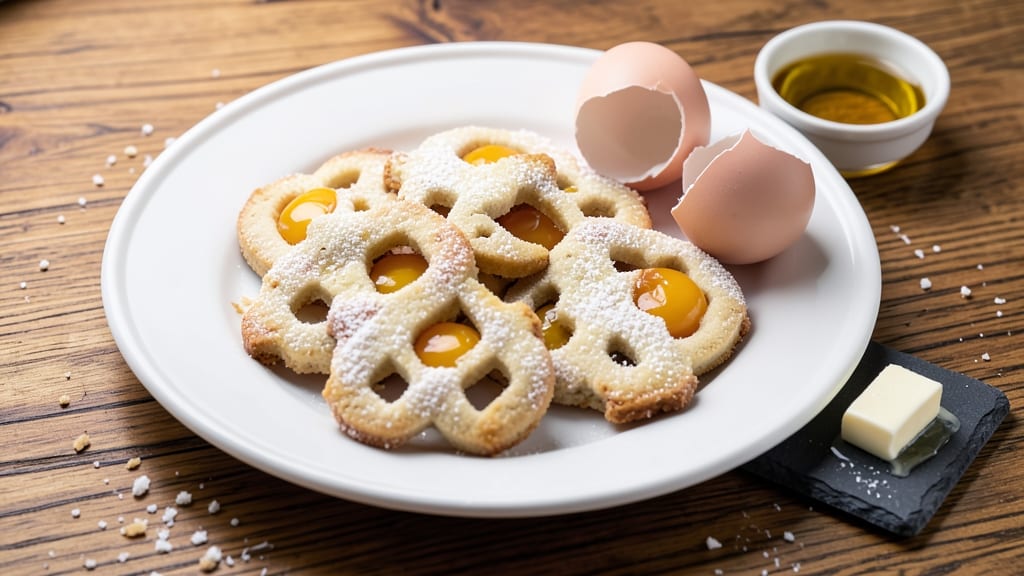
This sugar-free cut-out cookie recipe delivers all the holiday charm without the sugar crash—crisp edges, tender centers, and that perfect foil-sealed crunch. 🔥 The secret lies in erythritol-based sweetness and a precise dough ratio that mimics classic cookie texture while keeping carbs low.
After years of testing, I finally cracked the code for cookies that hold their shape, bake evenly, and satisfy even the most skeptical sweet tooth.
What sets these apart is the foil-sealing technique—wrapping cut cookies in parchment before baking creates that signature crispy exterior while keeping interiors soft. We use a blend of almond flour and oat fiber for structure, while xanthan gum ensures dough holds its shape through cutting and baking.
The result? Cookies that look and taste like the real deal, with zero guilt and zero after-crash energy slumps.
Perfect for holiday gifting, cookie exchanges, or satisfying cravings without derailing your diet, these cookies stay fresh for 5 days at room temperature.
The dough is foolproof—no chilling required—and bakes in just 10 minutes at 375°F. Whether you're decorating with royal icing or keeping them simple with a sprinkle of cinnamon sugar, every bite delivers that nostalgic holiday texture without the sugar spike.
Use cookie cutters in classic shapes (trees, stars, gingerbread) or get creative with holiday-themed molds. For extra crunch, bake an additional 2 minutes until golden. The key to success? Don't overmix the dough—just combine, roll, cut, and seal.
These cookies are the perfect balance of indulgence and nutrition, proving you don't need sugar to enjoy the magic of homemade treats.
Ingredients for sugar free cut out cookie
Pantry staples meet holiday magic—these ingredients create sugar-free cookies with restaurant-quality texture.
| Ingredient | Amount | Notes |
|---|---|---|
| Almond Flour 🌰 | 2 cups | Fine, blanched almond flour preferred |
| Oat Fiber 🌾 | ½ cup | For structure and texture |
| Erythritol 🍬 | ½ cup | Granulated, sugar-free sweetener |
| Unsalted Butter 🧈 | ½ cup | Cold, cubed for texture |
| Large Eggs 🥚 | 2 whole | Room temperature for mixing |
| Vanilla Extract 🌿 | 1 tsp | Pure, high-quality vanilla |
| Xanthan Gum 🧪 | ¼ tsp | For dough elasticity |
| Cinnamon 🌶️ | 1 tsp | Ground, for warm flavor |
| Sea Salt 🧂 | ½ tsp | Fine grain, enhances flavor |
| Parchment Paper 📄 | 1 sheet | For wrapping cut-outs |
| Aluminum Foil 📄 | 1 sheet | For sealing cookies |
| Cookie Cutters 🎄 | 1 set | Holiday shapes recommended |
| Cinnamon Sugar 🌶️ | 2 tbsp | For optional topping |
The almond flour is non-negotiable here—Bob's Red Mill or Anthony's Goods brands deliver the finest texture. Oat fiber might sound odd, but it's the secret to that classic cookie bite without the carbs. Lundberg Organic oat fiber keeps things clean. Erythritol? Lakanto or Wholesome Sweeteners are my go-tos—no aftertaste, no crash. The butter should be cold when you cube it (pop it in the freezer 10 minutes if needed)—this creates those perfect pockets of flavor. Vanilla extract matters too: McCormick Pure or Nielsen-Massey make all the difference.
No erythritol? Monk fruit sweetener at half the amount works, but texture might shift slightly. Short on almond flour? Substitute 1:1 with oat flour, though texture will be denser. The xanthan gum is crucial—Bob's Red Mill is the brand I trust. No cookie cutters? Use a glass and knife to cut circles, but holiday shapes are worth hunting down at Michaels or Amazon. For the cinnamon sugar topping, Diamond Crystal salt gives the best flavor balance. Pro tip: Toast your cinnamon in a dry pan for 30 seconds before grinding—intensifies the flavor.
Dough stays fresh 5 days in the fridge wrapped tightly. For extra shelf life, freeze portions between parchment sheets—3 months with zero texture loss. The foil-sealed cookies? Room temp for 2 hours after baking to set properly. Store in an airtight container with parchment between layers. Want to gift these? Decorate with royal icing 24 hours after baking for best adhesion.
Why You'll Love This Recipe
- No-Fuss Mixing: I swear by this dough—just fold the almond flour, oat fiber, and erythritol with cold butter until it clumps like cookie crumbs. No creaming, no overworking, and those eggs bind it together faster than I can say "holidays without guilt."
- Buttery Almond Magic: That rich, toasted almond flavor from the flour? It’s like a hug in cookie form, especially when you press the dough through a cutter and bake until the edges turn just golden. Honestly, I’ve tasted worse store-bought cookies—and they cost way more.
- Holiday Hack Ready: Between us, these are my go-to for Christmas cards, teacher gifts, or when my nephew "forgets" to buy his mom a present. Shape them into trees, stars, or whatever—kids love the fun, and the sugar-free tag means no one’s left out.
- Lasts a Week: I make a double batch, store them in an airtight tin, and they stay crisp for days. No freezer burn, no soggy middles—just pure, guilt-free snacking. And since almond flour’s pricey, this recipe stretches further than most flour-heavy doughs. Win-win.
Step-by-step instructions for sugar-free cut-out cookies
Here's how to create perfectly shaped, foil-sealed cookies with zero sugar guilt!
👨🍳 Step 1: Mix Dry Ingredients for Perfect Texture
In a large mixing bowl, whisk together the 2 cups almond flour, 0.5 cup oat fiber, 0.5 cup erythritol, 1 tsp cinnamon, and 0.5 tsp sea salt. This combination gives you that classic cookie texture without any refined sugar. I like to use a whisk here to break up any potential lumps in the almond flour—it makes a noticeable difference in the final crumb.
Set aside this dry mixture. The almond flour and oat fiber work together to create that satisfying chewiness, while the erythritol provides sweetness without the blood sugar spike. The cinnamon and salt will develop beautifully during baking, so don't skip measuring them precisely.
👨🍳 Step 2: Cream Butter and Eggs for Rich Flavor
In a separate bowl, combine the 0.5 cup cold cubed unsalted butter, 2 whole large eggs, and 1 tsp vanilla extract. Using a hand mixer on medium speed, beat for 3-4 minutes until light and fluffy. You're looking for a pale, airy mixture that nearly doubles in volume—the butter should be completely incorporated but still hold its shape when you press it.
Here's the thing—cold butter creates pockets of fat that melt during baking, giving you that classic cookie texture. The eggs add moisture and structure, while the vanilla extract ensures these cookies taste like holiday treats. Don't rush this step; proper creaming makes all the difference in the final result.
🥘 Step 3: Combine Wet and Dry Ingredients Gently
Gradually add the dry mixture to the wet ingredients, mixing on low speed just until combined. Be careful not to overmix—you should still see some flour streaks. Once fully incorporated, stir in the 0.25 tsp xanthan gum. This magical ingredient helps bind the dough together, preventing it from crumbling when you cut out shapes.
At this point, your dough should be soft but manageable. If it's too sticky, you can chill it for 15 minutes to firm up. The xanthan gum is crucial here—it mimics the gluten structure of traditional flour while keeping these cookies sugar-free and delicious. Don't skip this step if your dough feels too soft!
🔪 Step 4: Roll and Cut Out Perfect Shapes
Preheat your oven to 350°F while you prepare the dough. On a lightly floured surface, roll out about ⅓ of the dough to ¼-inch thickness using your rolling pin. I press down gently but firmly—this ensures even thickness for consistent baking.
Use your cookie cutters to cut out shapes and transfer them to a parchment-lined baking sheet. Place them about 1 inch apart—they'll spread slightly during baking. Here's a pro tip: if your dough sticks to the cutters, dust them lightly with more almond flour between uses. The parchment paper prevents sticking and makes cleanup a breeze.
🔥 Step 5: Seal and Bake for Maximum Crunch
Here's where the magic happens! Place a small piece of aluminum foil on top of each cookie, pressing gently to create a seal. This creates a steam chamber that helps develop that perfect crunch while keeping the centers soft. Bake for 10-12 minutes until the edges are light golden brown and the foil has puffed slightly.
Remove from the oven and carefully peel back the foil. Let the cookies cool on the baking sheet for 5 minutes before transferring to a wire rack. For extra flavor, sprinkle with 2 tbsp cinnamon sugar while they're still warm. These cookies will keep well in an airtight container for up to 5 days, though they rarely last that long!
Pro Tips For Making Sugar Free Cut Out Cookie
- CHILL THE DOUGH: Almond flour and oat fiber absorb moisture like sponges—skip this, and your cutouts will spread into sad pancakes. Wrap the dough in plastic and refrigerate for at least 1 hour (or overnight if you’re patient). Cold dough holds its shape and prevents overbaking. I learned this the hard way after watching a batch turn into a single, greasy blob.
- WEIGH THE ERYTHRITOL: Scooping erythritol by volume is a disaster—it packs differently than sugar, and your cookies will taste either bland or cloyingly sweet. Use a kitchen scale for precision (about 1:1 ratio with sugar, but double-check). My grandmother swore by this, and she was right: even a tablespoon off throws off the texture.
- PRESS DON’T ROLL: Almond flour dough is delicate—rolling it out flattens the oat fiber and makes cookies dense. Instead, press the dough gently into a ¼-inch-thick disc with your hands (yes, it’s messy). This keeps the cutouts light and crisp at the edges. I was skeptical until I tried it—now it’s my non-negotiable step.
- BAKE IN BATCHES: Crowding the pan turns these into cakey disappointments. Bake one sheet at 350°F for 10–12 minutes (edges golden, centers just set), then swap pans. The oven’s hot spots matter more with almond flour—rotate trays midway if your oven’s a beast. Skip this, and you’ll end up with a sad, uneven batch.
Troubleshooting great sugar free cut out cookie
Dough Too Sticky
If your dough feels too soft or sticky, don’t panic—this happens when humidity or warm temperatures interfere. Chill the dough for 15-20 minutes in the fridge before rolling. For extra insurance, wrap it in plastic wrap and press out any air bubbles.
If it’s still too sticky, add 1-2 tbsp more almond flour gradually until it becomes workable. I’ve found that using Lundberg Organic oat fiber helps absorb excess moisture better than other brands. 🧊
Cookies Spread Too Much
Over-spreading is usually caused by dough that’s too warm or rolling it too thin. Stick to a ¼-inch thickness and ensure your dough isn’t touching the rolling pin—use a lightly floured surface. If your oven runs hot, reduce the temperature to 345°F and bake for 12-13 minutes.
I’ve also had success using a silicon baking mat instead of parchment for even heat distribution. 🍪
Foil Not Crisping Enough
The foil-sealing trick relies on proper contact—if your cookies aren’t crispy, press the foil more firmly against the dough before baking. Use heavy-duty aluminum foil (like Reynolds Wrap) for best results.
For extra crunch, bake an additional 1-2 minutes after the edges turn golden. If your oven lacks even heat, rotate the baking sheet halfway through baking. 🔥
Dough Cracking or Crumbling
Cracking often happens when the dough is too dry or lacks fat. Ensure your butter is cold but not frozen, and don’t overmix the dough—just combine until no dry spots remain. The xanthan gum is key here; if you skipped it, add ¼ tsp to the dry ingredients.
For extra binding, let the dough rest for 10 minutes before rolling. I’ve found Bob’s Red Mill xanthan gum works best for this recipe. 🧪
Cookies Taste Bland
If your cookies lack flavor, it’s likely due to underseasoning or old spices. Toast your cinnamon in a dry pan for 30 seconds before grinding to intensify its aroma. Use McCormick Pure vanilla extract for maximum impact, and don’t skimp on the sea salt—it enhances all the flavors.
For a deeper taste, add ½ tsp nutmeg to the dry ingredients. Freshly baked cookies should sing with flavor! 🌶️
Storage Issues
If cookies lose texture quickly, they’re likely absorbing moisture. Store them in an airtight container with parchment paper between layers to maintain crispness. For longer storage, freeze portions between parchment sheets for up to 3 months.
Let frozen cookies thaw at room temperature for 1 hour before eating. I keep mine in a glass container with a silicone lid for the best seal. ❄️
Nutrition facts
Frequently asked questions
Can I use regular flour instead of almond flour?
While you can substitute 1:1 regular flour, the texture will be denser and less tender. Almond flour provides that signature chewiness and rich flavor these cookies are known for. For a closer match, try a 50/50 blend of almond flour and oat flour, but expect slightly more crumbling when cutting shapes.
What's the best sugar substitute for this recipe?
Erythritol works perfectly here—it provides sweetness without the blood sugar spike and doesn't leave an aftertaste. Monk fruit sweetener is another great option (use half the amount), while stevia can make cookies taste bitter if overused. Avoid maltitol—it can cause digestive issues.
How do I prevent my cookies from sticking to the foil?
Use heavy-duty aluminum foil (like Reynolds Wrap) and press it firmly but gently over each cookie before baking. For extra insurance, lightly dust the foil with almond flour before placing it on the cookies. If they still stick, try using parchment paper between the foil and cookie for a crispier result.
Can I make these cookies ahead of time?
The dough stays fresh in the fridge for 5 days wrapped tightly in plastic. For best results, bake the cookies 1 day before serving—they'll firm up and develop even more flavor. Store baked cookies in an airtight container with parchment between layers to maintain crispness.
Why does my dough crack when rolling?
Cracking usually happens when the dough is too dry or lacks fat. Ensure your butter is cold but not frozen, and don't overmix—just combine until no dry spots remain. The xanthan gum is crucial for binding; if you skipped it, add ¼ tsp to the dry ingredients. Let the dough rest for 10 minutes before rolling for better elasticity.