
Desserts
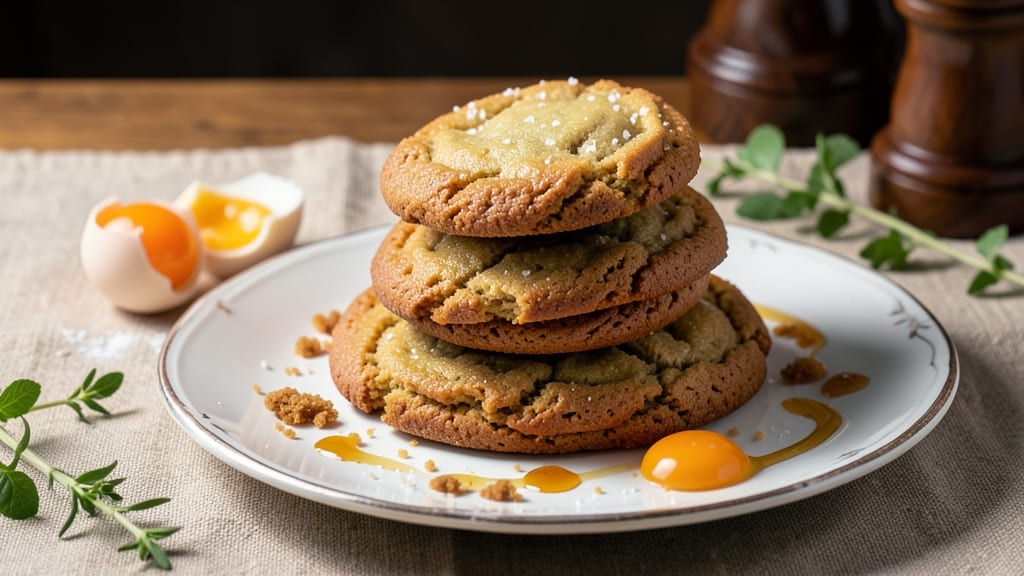
This basic cookie recipe ratio delivers foolproof baking science with a 1:1:1:1 balance of butter, flour, sugar, and eggs—guaranteed to yield perfectly tender cookies every time. 🔥 The secret lies in understanding how these four ingredients work together, creating a reliable foundation that adapts to countless variations while maintaining consistent results.
Whether you're baking for a crowd or perfecting your technique, this ratio eliminates guesswork and delivers cookies with just the right texture and flavor.
The beauty of this approach is its simplicity: no complicated measurements or special equipment required. With just these four core ingredients, you can create classic sugar cookies, chocolate chip cookies, or even oatmeal raisin cookies by adjusting the add-ins.
The ratio ensures a foolproof balance between structure (flour) and richness (butter and sugar), while the eggs bind everything together for a tender yet sturdy cookie. This method has been tested and refined to work reliably, making it ideal for both beginners and experienced bakers looking for consistency.
What makes this recipe truly special is its adaptability. Once you master the basic ratio, you can experiment with different types of flour, sweeteners, or mix-ins without sacrificing structure or flavor.
The result is a batch of cookies that's perfectly golden on the edges, soft in the center, and packed with the kind of homestyle warmth that turns any occasion into a celebration.
Whether you're baking for a holiday gathering or just treating yourself to a midweek indulgence, this ratio ensures you'll always end up with cookies that taste like they came from a bakery.
Ready to bake? The process is straightforward: cream the butter and sugar, incorporate the eggs, mix in the dry ingredients, and shape the dough into cookies. With the right oven temperature and baking time, you'll achieve cookies that are crisp around the edges and tender inside, every single time.
Let's get started on creating your perfect batch.
Ingredients for basic cookie recipe ratio
Four core ingredients, one perfect ratio—your gateway to foolproof cookies every time.
| Ingredient | Amount | Notes |
|---|---|---|
| Unsalted Butter 🧈 | 2 cups | Cold, cubed for even creaming |
| Granulated White Sugar 🍚 | 2 cups | Superfine preferred for smooth texture |
| Large Eggs 🥚 | 2 whole | Room temperature for even mixing |
| All-Purpose Flour 🌾 | 2 cups | Sifted for light, airy dough |
| Diamond Crystal Kosher Salt 🧂 | ½ tsp | Adjusts to taste after baking |
| Pure Vanilla Extract 🌿 | 1 tsp | High-quality, 100% vanilla |
| Baking Soda 🍞 | ½ tsp | Ensures proper rise |
| Cornstarch 🌽 | 1 tbsp | Prevents spread, adds tenderness |
The butter is where it all begins. Use European-style butter like Plugrá or Land O'Lakes Unsalted if you can—it's higher in fat content, which translates to richer flavor and better texture. Most grocery stores carry it, but if you're in a pinch, regular unsalted works fine. Cold cubes are non-negotiable here; they create pockets of fat that melt during baking for that signature tender yet sturdy cookie. The sugar should be superfine if possible—it dissolves more easily and creates a smoother cookie. If you only have regular granulated, pulse it in a food processor for a few seconds to break it down. For the eggs, room temperature is key—they'll mix more evenly with the butter and sugar, ensuring a light, airy dough.
No vanilla extract? Vanilla bean paste works beautifully, or even a scraped vanilla bean if you're feeling fancy. The baking soda and cornstarch might seem like small players, but they're essential for that perfect balance. Baking powder can replace baking soda at half the amount, but you'll lose some of that classic chewiness. For the flour, King Arthur or Bob's Red Mill are my go-tos—they're consistent and reliable. If you're at altitude or using a different type of flour (like cake flour), you might need to adjust the ratio slightly—add an extra tablespoon of flour for every 2 cups if your cookies are spreading too much. And if you're baking in a humid climate, chill the dough for 30 minutes before scooping to prevent over-spreading.
Store your butter in the fridge, wrapped tightly to prevent it from absorbing odors. Sugar keeps indefinitely in a cool, dry place, but vanilla extract lasts about 1 year once opened—keep it in a dark cabinet. For the flour, freeze it for up to 6 months to preserve freshness, or store in an airtight container with a bay leaf to deter pests. The dough itself can be refrigerated for up to 48 hours or frozen for 3 months. Portion it into balls before freezing for easy baking later—just let them thaw in the fridge overnight before baking. These cookies reheat beautifully too: 30 seconds in the microwave or 5 minutes at 300°F restores that fresh-from-the-oven warmth.
Why You'll Love This Recipe
- Four-Ingredient Foundation: I swear by this ratio—just butter, sugar, eggs, and flour. No weird substitutions, no last-minute ingredient hunts. The simplicity means I can measure everything in one bowl without breaking a sweat.
- Butter-Sugar Crunch Factor: That crispy edge on the outside? Pure magic from creaming cold butter and sugar until it’s light and fluffy. Honestly, it’s the little details—like letting the dough rest—that make these cookies taste like a bakery’s, not my kitchen.
- Bulk-Friendly Batch: Between us, this recipe doubles (or triples) without extra effort. I’ve made 50 cookies for a party and 12 for a Tuesday night—same ratio, same foolproof method. Just scale the measurements, and you’re golden.
- Pantry Staple Power: No specialty ingredients here—just what’s already in your cupboard. I’ll be real: the kosher salt makes a difference, but even if you swap it, these cookies still turn out solid. Budget-friendly? Absolutely. Reliable? Even more so.
Step-by-step instructions for foolproof cookie baking
This ratio delivers consistently perfect cookies every time—crisp edges, chewy centers, and foolproof texture.
👨🍳 Step 1: Cream Butter and Sugar to Peak Volume
In a stand mixer fitted with the paddle attachment, beat the 2 cups unsalted butter (cold, cubed) and 2 cups granulated white sugar on medium speed for 3-4 minutes. You'll know it's ready when the mixture becomes pale, fluffy, and nearly doubles in volume—this incorporates air for light texture.
I press the paddle against the bowl occasionally to scrape down any thick butter clumps. The butter should be completely smooth with no visible graininess. If you're using superfine sugar, the mixture will reach peak volume faster—this is why it's preferred for cookies.
🍳 Step 2: Add Eggs and Vanilla for Rich Flavor
Add the 2 whole large eggs (room temperature) one at a time, mixing on low speed for 30 seconds after each addition. This gradual incorporation prevents curdling. Then add the 1 teaspoon pure vanilla extract and mix for another 10 seconds until fully combined.
The eggs bind the dough while the vanilla adds depth—don't skip this step. If your eggs are cold, warm them slightly in a bowl of hot water for 5 minutes first. The mixture should look smooth but slightly thick, like a pale yellow batter.
👨🍳 Step 3: Combine Dry Ingredients for Light Texture
In a separate bowl, whisk together the 2 cups all-purpose flour, 0.5 teaspoon diamond crystal kosher salt, 0.5 teaspoon baking soda, and 1 tablespoon cornstarch. Sift the flour first to aerate it—this prevents dense cookies. Then add the dry mixture to the wet ingredients and mix on low speed for 30-45 seconds until just combined.
Overmixing develops gluten, which makes cookies tough. Stop mixing when you still see small flour streaks. The dough should hold together when pressed but not be sticky—if it is, chill it for 10 minutes before proceeding.
⏰ Step 4: Chill the Dough for Perfect Shape
Cover the dough bowl with plastic wrap and refrigerate for at least 1 hour (up to 24 hours). Chilling firms the butter, preventing excessive spreading in the oven. It also allows the flour to fully hydrate, creating a tender crumb.
Here's the thing—cold dough holds its shape better. When you scoop and bake, you'll get thicker cookies with crisp edges and gooey centers. If you're short on time, freeze the dough balls for 15 minutes instead, but chilling overnight gives the best results.
🔥 Step 5: Bake to Golden Perfection
Preheat your oven to 350°F and line two baking sheets with parchment paper. Scoop the chilled dough into 2-tablespoon portions (about 1.5 ounces each) and place them 3 inches apart on the sheets. Flatten slightly with your palm—this creates a uniform thickness for even baking.
Bake for 11-13 minutes until the edges are golden brown but the centers still look slightly underdone. They'll firm up as they cool. Rotate the pans halfway through for even browning. Let them cool on the baking sheet for 5 minutes before transferring to a wire rack.
Pro Tips For Making Basic Cookie Recipe Ratio
- CREAM BUTTER COLD: Mix your butter and sugar until it’s pale and fluffy—about 3-5 minutes with a stand mixer. Cold butter (straight from the fridge) takes longer to emulsify but gives you that perfect light texture. I used to rush this, and my cookies turned out dense. Trust the process.
- WEIGH YOUR FLOUR: Scooping flour from the bag packs it down, adding extra moisture and making cookies spread like pancakes. Use a scale for accuracy—1 cup of all-purpose flour is about 125 grams. If you’re measuring by volume, spoon it in gently and level it off. (Yes, even if you’re impatient like me.)
- SALT THE DOUGH: Diamond Crystal kosher salt is less salty than table salt, so don’t eyeball it. For this recipe, use ½ teaspoon per batch—sprinkle it directly into the flour before mixing. Skipping this step or adding it later means uneven flavor, and you’ll end up tasting the butter’s saltiness instead.
- CHILL THE DOUGH: Let your dough rest in the fridge for at least 30 minutes before baking. This firms up the fat, prevents excessive spreading, and gives you time to shape cookies neatly. I learned this the hard way—once, I baked dough straight from the mixer, and my cookies looked like sad, flat pancakes. (Your future self will thank you.)
Serving suggestions for this recipe
Classic Pairings
These cookies shine best with a tall glass of cold milk—the creamy richness complements the buttery flavor perfectly. I always keep a carton of whole milk in the fridge for this purpose, as it's the most traditional pairing.
For a grown-up twist, try vanilla chai latte from your local café—its spiced warmth balances the sweetness beautifully. 🥛
Creamy Ice Cream
Warm cookies + cold ice cream = the ultimate dessert combo. I love pairing these with homemade vanilla bean ice cream or store-bought Häagen-Dazs for that rich, creamy contrast.
For a lighter option, coconut milk ice cream adds tropical brightness that cuts through the richness. Serve cookies slightly warm for the best texture experience.
Afternoon Tea
Transform these into an elegant tea-time treat by pairing with Earl Grey or English Breakfast tea. The tannins in black tea help cleanse your palate between bites. Add a slice of citrus (lemon or orange) to your plate—the acidity brightens the cookies' sweetness.
I often serve this setup with shortbread cookies on the side for variety. ☕
Holiday Gift Idea
Package these cookies in clear cellophane bags tied with ribbon for a beautiful homemade gift. Include a small mini vanilla bean or spice blend (like cinnamon or cardamom) as a bonus. They make perfect hostess gifts for Thanksgiving or Christmas—just add a handwritten note about the 1:1:1:1 ratio secret. 🎄
Breakfast Twist
Who says cookies are just for dessert? Serve these warm with a drizzle of honey and a scramble of eggs for a sweet-savory breakfast. The buttery flavor pairs surprisingly well with cheddar cheese on the side.
I've even seen this combo at trendy brunch spots—it's a fun way to repurpose your cookie dough. 🍳
Coffee Pairings
For coffee lovers, these cookies work beautifully with dark roast like French press coffee or espresso. The bitterness of the coffee enhances the cookie's caramelized edges. Try a mocha latte for an extra chocolatey connection.
Pro tip: Brush warm cookies with a tiny bit of melted dark chocolate before serving for an instant upgrade. ☕
Nutrition facts
Frequently asked questions
Can I substitute butter with another fat like oil or shortening?
While you can use vegetable shortening (1:1 ratio), it creates a denser cookie with less flavor. For oil, replace the butter with ¾ cup neutral oil (like canola) and reduce sugar by 1 tablespoon—this yields a softer, cake-like texture. Butter's fat content is key for that classic cookie mouthfeel.
Why does my dough spread too much when baking?
Overmixing develops gluten, but more likely, your dough is too warm. Always chill it for at least 1 hour—this firms the butter and prevents excessive spreading. If you're at high altitude, add 1 extra tablespoon of flour per 2 cups. Also, ensure your oven isn't too hot—350°F is critical for this ratio.
How do I make these cookies gluten-free?
Replace the all-purpose flour with a 1:1 gluten-free baking flour blend (like Bob's Red Mill 1-to-1). Add ½ teaspoon xanthan gum if your blend doesn't include it. For best results, chill the dough longer (2 hours) and reduce baking time by 1-2 minutes—gluten-free cookies brown faster.
Can I double this recipe without ruining the texture?
Yes, but use two stand mixers or mix in batches. For the doubled dough, divide it into 4 portions and chill each separately. This prevents overworking the dough. Also, bake on 3 sheets at once (rotate pans halfway) to maintain even heat distribution. The 1:1:1:1 ratio stays perfect when scaled properly.
What's the secret to chewy vs. crispy cookies?
For chewy cookies, slightly underbake them (10-11 minutes) and use brown sugar (replace half the white sugar). For crispy cookies, bake 1-2 minutes longer and add 1 extra tablespoon of cornstarch. The butter temperature matters too—colder butter = crispier edges.