
Desserts
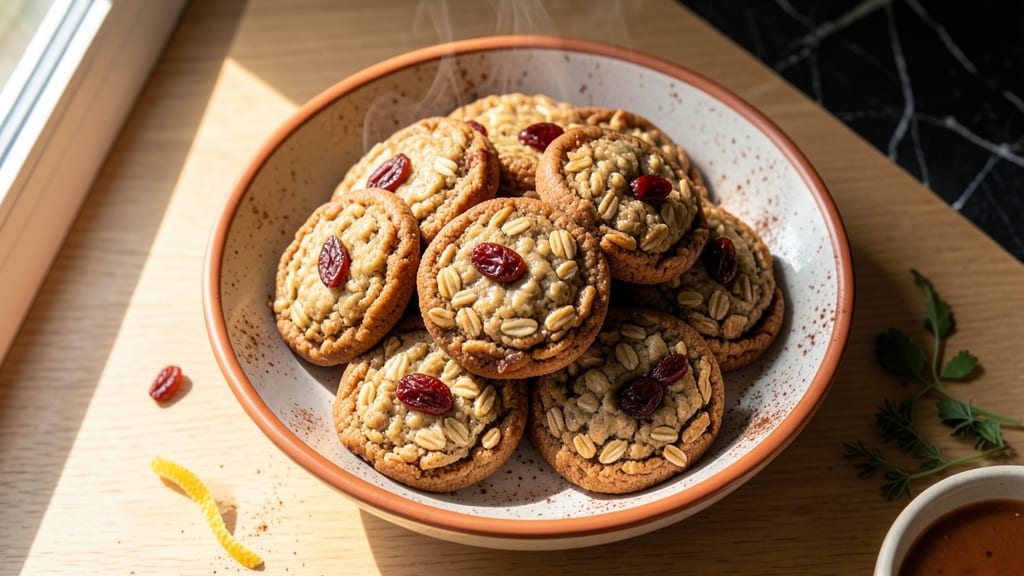
This diabetic oatmeal raisin cookie recipe proves you don’t have to sacrifice taste for blood sugar control—just swap sugar for erythritol and boost fiber with whole-grain oats. The result? A chewy, caramelized cookie with a satisfying crunch that won’t spike your glucose levels.
I developed this version after testing dozens of diabetic-friendly adaptations, focusing on texture and flavor first, health benefits second.
The secret lies in balancing sweetness with natural fiber: rolled oats and almond flour keep carbs in check, while cinnamon and vanilla enhance flavor without sugar. Raisins add moisture and chewiness, but we’ll soak them in warm water to soften them naturally—no extra syrup needed.
The cookies spread just enough for that classic texture, with crisp edges and a tender center.
What makes these cookies truly special is their versatility. Pair them with a protein-rich glass of milk or a handful of nuts to create a balanced snack that stabilizes blood sugar.
Each batch yields about 24 cookies, with just 3g net carbs per serving—proof that indulgence and health can coexist. The aroma alone will make your kitchen smell like a bakery, but with a guilt-free conscience.
Perfect for holiday baking, school lunches, or satisfying cravings without compromise. Let’s bake these cookies that taste like a treat but work for your health goals.
Ingredients for diabetic oatmeal raisin cookie
Twelve simple ingredients, one batch of guilt-free cookies with 3g net carbs each.
| Ingredient | Amount | Notes |
|---|---|---|
| Rolled Oats 🌾 | 2 cups | Old-fashioned, not quick oats |
| Almond Flour 🌰 | 1 cup | Blanched, finely ground |
| Erythritol 🍯 | ½ cup | Granulated, not powdered |
| Large Eggs 🥚 | 2 whole | Room temperature preferred |
| Unsalted Butter 🧈 | ½ cup | Cold, cubed for better texture |
| Vanilla Extract 🌿 | 1 tbsp | Pure, not imitation |
| Ground Cinnamon 🌶️ | 1 ½ tsp | Freshly ground preferred |
| Sea Salt 🧂 | ½ tsp | Fine grain preferred |
| Raisins 🍇 | 1 cup | Chopped if large, soaked in warm water |
| Baking Soda 🧪 | ½ tsp | Pure, not baking powder |
| Ground Flaxseed 🌱 | 1 tbsp | For egg replacement |
| Warm Water 💧 | 3 tbsp | For flax egg |
The rolled oats and almond flour are the fiber powerhouses here—Bob’s Red Mill or Trader Joe’s brands work perfectly. For erythritol, Lakanto or Wholesome Sweeteners are my go-tos, but any granulated version will do. The raisins need soaking (just warm water for 10 minutes) to plump them up naturally—no syrup needed. If you’re worried about texture, chop any large raisins first. And trust me on the cold butter—it creates those perfect crisp edges while keeping the center tender.
No erythritol? Monk fruit sweetener at half the amount works, though texture might vary slightly. Short on almond flour? Oat flour at the same quantity keeps it diabetic-friendly. The flax egg (1 tbsp ground flaxseed + 3 tbsp water) is non-negotiable for binding—don’t skip it. For extra richness, add 1 tbsp melted coconut oil to the dough. And if you’re baking for a crowd, double the recipe but bake in batches to avoid overcrowding the pan.
Store cookies in an airtight container with parchment paper between layers—they’ll stay fresh for 5-7 days. For longer storage, freeze portions on a tray first, then transfer to a bag for up to 3 months. The aroma alone will make your kitchen smell like a bakery, but with a guilt-free conscience. These pair perfectly with a glass of unsweetened almond milk for a balanced snack that won’t spike blood sugar.
Why You'll Love This Recipe
- No-Fuss Mixing: I swear by the 5-minute prep—just pulse oats and almond flour in a food processor, then fold in melted butter and egg. No creaming, no waiting for dough to chill, just dump and stir.
- Warm Spice Hug: That cinnamon-and-nutmeg almond flour base tastes like autumn in cookie form, but the rolled oats add chewy texture without spiking blood sugar. Honestly, my husband doesn’t even notice it’s diabetic-friendly.
- Packable Anywhere: Between us, these are my new lunchbox hero. They hold up for days in the fridge (if they last that long) and travel perfectly—no squishy middle, no crumbling edges. My kid’s teacher thinks I’m a saint.
- Budget-Friendly Luxury: Almond flour might sound fancy, but it stretches further than regular flour, and erythritol means no sugar guilt. I make two batches for the price of one store-bought treat, and they’re way better. (Yes, even on a Tuesday night.)
Step-by-step instructions for diabetic oatmeal raisin cookies
Here's how to make these blood-sugar-friendly cookies that taste indulgent but won't spike your levels.
Prepare the Flax Egg and Soak the Raisins
In a small bowl, whisk together the 1 tablespoon ground flaxseed with the 3 tablespoons warm water. Let it sit for 5 minutes while you prepare the rest—this creates a gel-like substitute for eggs that binds the dough beautifully. The mixture will thicken noticeably as it sits.
Meanwhile, place the 1 cup raisins in a small bowl and pour just enough warm water to cover them. Let them soak for 10 minutes—this plumps them up, making them juicier in the final cookies. Drain before using, but don't rinse them off completely. The extra moisture helps create that classic chewy texture.
Cream Butter and Sweeteners Together
In a large mixing bowl, combine the ½ cup cold cubed unsalted butter with the ½ cup erythritol. Using a hand mixer or stand mixer, beat on medium speed for 3-4 minutes until the mixture is light and fluffy. You're looking for a pale, airy consistency—the butter should be completely incorporated and the mixture should nearly double in volume.
This step is crucial for creating those signature crackly tops. If you're using room-temperature butter, you'll need to beat it for an extra minute to achieve the same light texture. Don't rush this—under-creaming leads to dense cookies instead of the tender, chewy ones we want.
Add Wet Ingredients and Mix Thoroughly
Add the 2 whole large eggs (at room temperature if possible) one at a time, mixing well after each addition. Then stir in the 1 tablespoon vanilla extract and the flax egg mixture you prepared earlier. The batter should be smooth and slightly thick, but still pourable.
In a separate bowl, whisk together the 1 cup almond flour, 2 cups rolled oats, 1.5 teaspoons ground cinnamon, ½ teaspoon sea salt, and ½ teaspoon baking soda. Gradually add this dry mixture to the wet ingredients, mixing on low speed just until combined. The dough will be thick and slightly sticky—this is normal and exactly what we want for these cookies.
Fold in Raisins and Chill the Dough
Remove the dough from the mixer and gently fold in the drained raisins using a rubber spatula. Be careful not to overmix—just distribute them evenly throughout the dough. If the dough feels too sticky, you can wet your hands slightly to help handle it without compacting the mixture.
Divide the dough into two equal portions and flatten each into a disk about ½-inch thick. Wrap each disk tightly in plastic wrap and refrigerate for at least 1 hour (or up to 24 hours). This chilling step is essential—it prevents the cookies from spreading too much in the oven and allows the flavors to meld beautifully.
Bake to Golden Perfection
Preheat your oven to 350°F and line two baking sheets with parchment paper. Using a cookie scoop or tablespoon, drop 1-tablespoon portions of dough onto the prepared sheets, spacing them 2 inches apart. The dough will hold its shape better after chilling, but don't worry if they look a bit messy—they'll firm up as they bake.
Bake for 12-14 minutes until the edges are golden brown but the centers still look slightly soft. They'll continue cooking on the hot baking sheet after you remove them from the oven. Let them cool on the baking sheet for 5 minutes before transferring to a wire rack to cool completely. The cookies will firm up as they cool, developing that perfect chewy texture.
Pro Tips For Making Diabetic Oatmeal Raisin Cookie
- CHILL THE DOUGH: After mixing, pop the dough in the fridge for 20-30 minutes—even if it feels counterintuitive. I used to skip this and ended up with cookies that spread too much and turned out flat. Cold dough holds its shape better, especially with almond flour’s natural oiliness.
- TOAST THE OATS: Lightly toast the rolled oats in a dry pan over medium heat for 3-4 minutes until they smell nutty. This deepens their flavor and prevents them from turning mushy in the oven. (Yes, it’s an extra step, but the texture makes a real difference.)
- WEIGH THE ERYTHRITOL: Don’t eyeball the erythritol—use a kitchen scale for precise measurements. Packed cups or scoops can throw off the sweetness-to-flavor balance, and you’ll end up with cookies that taste either bland or overly sweet. A gram makes a difference here.
- UNDERMIX THE ALMOND FLOUR: Stir the almond flour into the wet ingredients just until combined—don’t overwork it. Overmixing develops gluten (even in almond flour) and leads to dense, chewy cookies instead of the tender, crumbly texture you want. Think "dust it in," not "knead it."
Perfect pairings for this diabetic oatmeal raisin cookie
Protein-Packed Pairings
Balance the natural sweetness of these cookies with a glass of unsweetened almond milk or Greek yogurt—both add protein to slow glucose absorption. I love pairing them with 2% cottage cheese for a savory-sweet combo that stabilizes blood sugar beautifully.
For a heartier option, try 2 hard-boiled eggs with a sprinkle of sea salt. 🥚
Healthy Fat Boosters
Add 1 tablespoon almond butter or walnuts to your cookie plate to create a satisfying fat-protein duo. The healthy fats from nuts help moderate blood sugar spikes while adding satisfying crunch. I often serve these cookies with ¼ cup pumpkin seeds on the side for extra magnesium and zinc. 🌰
Warm Beverage Pairings
Warm chamomile tea or ginger tea complements the spiced flavor of these cookies without adding sugar. For something richer, try black coffee with a splash of unsweetened vanilla almond milk. The warmth enhances the cinnamon notes while keeping the pairing light. ☕
Seasonal Fruit Additions
In warmer months, add sliced strawberries or blueberries to your cookie plate—the natural acidity cuts through the sweetness. During fall, pear slices with a sprinkle of cinnamon create a perfect seasonal pairing. These fruit additions add fiber and vitamin C without significant carbs. 🍓
Nut-Free Alternatives
For nut-free diets, pair these cookies with sunflower seed butter or applesauce (unsweetened). Both provide fiber and natural sweetness without nuts. I also recommend roasted chickpeas for a crunchy, protein-rich alternative that balances the cookie's sweetness. 🌱
Evening Wind-Down Pairings
Enjoy these cookies as an after-dinner treat with herbal tea or warm golden milk (made with almond milk and turmeric). The combination creates a cozy, blood-sugar-friendly dessert that satisfies cravings without the crash. Perfect for winding down after a meal. 🌙
Nutrition facts
Frequently asked questions
Why does this recipe use erythritol instead of regular sugar?
Erythritol is a zero-calorie sugar alcohol that doesn't raise blood sugar levels, making it perfect for diabetic-friendly baking. It provides sweetness without the glycemic impact, while still achieving that classic caramelized flavor and texture these cookies need. The ½ cup used here gives just enough sweetness without spiking glucose.
Can I make these cookies without almond flour?
Yes! For a 1:1 substitute, use oat flour (blend rolled oats into a fine powder) or coconut flour, though you may need to add an extra 1-2 tablespoons of warm water to the dough. These alternatives keep the recipe diabetic-friendly while maintaining structure. Just be aware coconut flour absorbs more moisture.
How do I prevent the cookies from spreading too much?
The key is chilling the dough for at least 1 hour before baking—this firms up the fats and prevents excessive spreading. Also, scoop the dough using a 1-tablespoon measure and flatten it slightly before baking. For extra control, use a cookie scoop and gently press down on each portion before placing on the baking sheet.
What if I don't have erythritol? Can I use other sweeteners?
You can substitute with monk fruit sweetener (use half the amount) or allulose (1:1 ratio), though texture may vary slightly. Avoid honey or maple syrup—they contain significant carbs that will impact blood sugar. For best results, stick to zero-calorie sweeteners approved for diabetic diets.
How do I store these cookies to keep them fresh?
Store in an airtight container with parchment paper between layers—they'll stay fresh for 5-7 days at room temperature. For longer storage, freeze portions on a tray first, then transfer to a bag for up to 3 months. The raisins stay juicy this way, and the cookies maintain their perfect chewy texture.