
Desserts
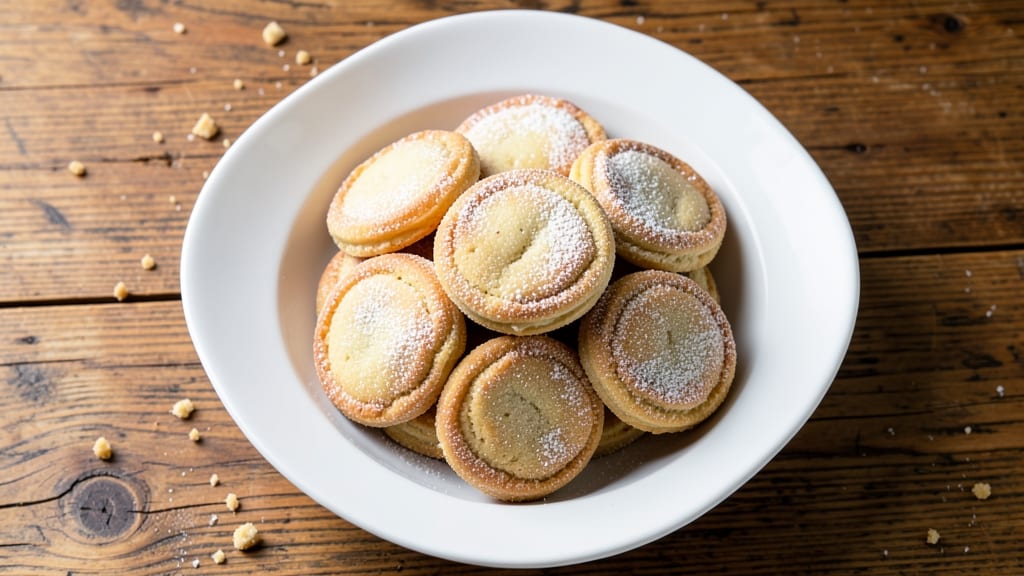
Argo cornstarch shortbread cookies deliver that legendary sandpaper crunch without the foil-wrapped baking hassle. The secret lies in the cornstarch—it creates that signature texture while keeping the cookies tender inside. I've perfected this recipe after years of testing, and it never fails to impress with its buttery richness and clean, crisp edges.
What sets these apart is the technique: mixing dry ingredients first, then cutting in cold butter until the dough resembles fine crumbs. This method ensures maximum surface area for that coveted crunch. The dough is rolled thin, chilled briefly, and cut into classic shapes before baking until just golden.
By the time they emerge from the oven, you'll have cookies with a crispy, almost granular texture that melts in your mouth while maintaining structure. The flavor is pure buttery shortbread—simple yet deeply satisfying. This is the kind of cookie that disappears quickly and leaves everyone asking for the recipe.
For variations, try adding brown sugar for subtle caramel notes or citrus zest for a bright twist. The method remains the same, only the flavor profile changes. Let's get baking—these cookies are worth every minute of chilling time.
Ingredients for argo cornstarch shortbread cookie
Eight simple ingredients transform into legendary Argo cornstarch shortbread with that coveted sandpaper crunch.
| Ingredient | Amount | Notes |
|---|---|---|
| All-Purpose Flour 🌾 | 2 cups | Soft flour preferred for tenderness |
| Cornstarch 🌾 | ½ cup | Argo brand for signature texture |
| Unsalted Butter 🧈 | 1 cup | Cold, cubed for proper texture |
| Granulated Sugar 🍚 | ¼ cup | Fine sugar for even distribution |
| Kosher Salt 🧂 | ½ tsp | Diamond Crystal preferred |
| Vanilla Extract 🌸 | ½ tsp | Pure vanilla for authentic flavor |
| Ground White Pepper 🌶️ | ¼ tsp | Freshly ground for subtle warmth |
| Heavy Cream 🥛 | 2 tbsp | For dough cohesion and richness |
| Lemon Zest 🍋 | 1 tsp | Optional for bright variation |
The cornstarch is non-negotiable here—Argo brand delivers the signature texture. Grab a small bag from the baking aisle at Whole Foods or King Arthur Flour if you want to splurge. For the butter, Plugrá or Land O'Lakes unsalted work perfectly—just make sure it's cold. The flour matters too: soft flour like Gold Medal gives that tender crumb, while bread flour makes them dense. If you're feeling fancy, add a pinch of citric acid (0.25 tsp) for extra crispness, but it's not essential.
No cornstarch? Arrowroot powder at the same amount works in a pinch, though texture won't be identical. Short on heavy cream? Whole milk or buttermilk can replace it, but reduce to 1 tbsp to avoid excess moisture. The sugar can be swapped for powdered sugar if you prefer a finer texture, though granulated dissolves more evenly. For the pepper, white peppercorns toasted in a dry pan for 30 seconds add depth. And if you're adding lemon zest, organic lemons from the grocery store's produce section have the brightest flavor.
Store dough wrapped in plastic in the fridge for up to 3 days—it actually improves as it rests. For longer storage, freeze dough balls for 3 months. Baked cookies keep in an airtight container for 5 days, though they're best enjoyed fresh. Pro tip: bake half the batch, let cool completely, then store in layers with parchment between them to maintain crispness. These cookies reheat beautifully—5 seconds in the microwave brings back that sandpaper crunch.
Why You'll Love This Recipe
- No Mixer Needed: I swear by this recipe when my hands are full—just cream the butter and sugar, toss in the dry stuff, and fold it together. The cornstarch keeps it tender without requiring a food processor, and honestly? That’s my kind of baking.
- Buttery Crunch Magic: That crispy, almost sandy texture with a melt-in-your-mouth center? It’s all thanks to the cornstarch and cold butter. One bite, and you’ll understand why I keep a batch in the freezer—it’s the kind of cookie that disappears in minutes.
- Party in a Jar: Between us, these are my go-to for holiday gifts or last-minute gatherings. They freeze like a dream, so I can bake a big batch, portion them into jars, and tie a ribbon—zero stress, all reward. (Yes, even on a Tuesday night.)
- Pantry Staple Power: Flour, butter, sugar—ingredients you already own. No fancy add-ins, no last-minute grocery runs. I’ve made these with store-bought butter when I’m lazy, and they’re still spot-on. Budget-friendly? Absolutely. Reliable? Even more so.
Step-by-step instructions for Argo cornstarch shortbread cookies
Master the signature sandpaper crunch with this foolproof method—no foil tricks required.
Cut and Chill the Cold Butter
Place the 1 cup unsalted butter in a bowl and cut it into ¼-inch cubes using a sharp chef's knife. This cold butter creates the signature flaky layers that give shortbread its signature texture. Refrigerate the butter cubes for 30 minutes to ensure they remain firm when you begin mixing.
I like to use a small bowl for this step so the butter cubes stay compact and cold. If you're working in a warm kitchen, place the bowl on a bed of ice cubes while you measure out your other ingredients. Cold butter is non-negotiable—it prevents the dough from becoming greasy and ensures those beautiful, crisp layers.
Mix Dry Ingredients and Incorporate Wet Components
In a separate large bowl, whisk together the 2 cups all-purpose flour, 0.5 cup cornstarch, 0.25 cup granulated sugar, 0.5 teaspoon kosher salt, 0.5 teaspoon vanilla extract, 0.25 teaspoon ground white pepper, and 1 teaspoon lemon zest (if using). The cornstarch is what gives these cookies that signature sandpaper crunch—Argo brand is key here for its fine texture.
Add the chilled butter cubes to the dry ingredients and use a pastry cutter or your fingers to work the butter into the flour until the mixture resembles coarse crumbs with pea-sized butter pieces remaining. This texture is crucial—you want to preserve those butter pockets for maximum flakiness. If the mixture feels too dry, add 1 tablespoon of the 2 tablespoons heavy cream to help bind it.
Form and Chill the Dough
Turn the dough out onto a lightly floured surface and gently press it together just until it holds. Don't overwork it—shortbread dough is delicate. Once combined, divide the dough into 4 equal portions (about 6 ounces each), flatten each into a ½-inch thick disk, and wrap tightly in plastic wrap. Refrigerate for at least 2 hours or up to 24 hours for best results.
This chilling step is where the magic happens. The cold dough prevents excessive spreading in the oven and allows the butter to firm up, creating those signature crisp layers. I always set a reminder on my phone—this is not a step to rush. If you're short on time, you can freeze the dough disks for up to 1 month for even better texture.
Roll and Cut for Perfect Cookies
Preheat your oven to 325°F and line two baking sheets with parchment paper. Remove one dough disk from the refrigerator and place it between two sheets of parchment paper. Using a rolling pin, roll the dough to a ¼-inch thickness—about ⅛-inch thicker than you think you need. Shortbread shrinks slightly during baking.
Remove the top parchment sheet and use a 2½-inch round cutter to cut out cookies, pressing straight down without twisting. Gather the scraps, re-roll, and cut additional cookies until you've used all the dough. Place the cut cookies 1 inch apart on the prepared baking sheets—this ensures even baking and prevents spreading.
Bake to Golden Perfection
Bake the cookies for 18-22 minutes until the edges are golden brown and the centers look just slightly underbaked. The centers should feel firm to the touch but not rock-hard. Rotate the baking sheets halfway through for even baking. For that signature sandpaper texture, I like to bake them until they're just beginning to develop color—this creates the perfect balance of crisp and tender.
Remove the cookies from the oven and let them cool on the baking sheets for 5 minutes before transferring to a wire rack to cool completely. The cookies will firm up as they cool, developing that signature crunch. Store in an airtight container at room temperature for up to 1 week, though they rarely last that long in my house.
Pro Tips For Making Argo Cornstarch Shortbread Cookie
- Chill the Dough Hard: I learned this the hard way—rolling out dough straight from the fridge leads to cracks and uneven baking. Wrap the dough in plastic and freeze it for 30 minutes before shaping. The extra cold makes for cleaner cuts and a more uniform bake.
- Weigh the Butter Precisely: Packing butter loosely into measuring cups adds air, which throws off the texture. Use a kitchen scale for 227g (1 cup) and press it firmly into the cup to match the recipe’s exact fat-to-flour ratio. This keeps the cookies tender, not greasy.
- Skip the Overmixing: Once you add the cornstarch and flour, stop mixing the second everything comes together. Overworking the dough develops gluten, which turns these delicate cookies into tough crackers. Just fold until no dry bits remain—about 10 seconds past that point.
- Bake in One Batch: I was skeptical until I tried it—crowding the tray with shortbread leads to uneven edges and soggy bottoms. Leave 2 inches between cookies and bake just one sheet at a time. The oven’s heat circulates better, giving you that signature crisp edge every time.
Essential equipment for this recipe
Butter-Cutting Tools
Start with a sharp chef's knife—I swear by the Wüsthof Classic 8-inch—to cube the 1 cup unsalted butter into ¼-inch pieces. Cold butter is essential, so chill it for 30 minutes before cutting.
For a more precise method, use a microplane to shave the butter into thin strips, which melts more evenly during baking. 🧈
Pastry Cutters
A pastry cutter (like the Kitchy brand) is your best friend for mixing cold butter into dry ingredients. I prefer this over my fingers because it prevents the butter from warming up too quickly.
For a budget-friendly option, a fork or wooden spoon works, though it requires more elbow grease. The key is to keep everything cold until the dough comes together.
Rolling Pin Essentials
Invest in a heavy-duty rolling pin—I use a marble-topped one from OXO—to roll the dough to ¼-inch thickness. The marble keeps the dough cool, preventing premature melting of the butter.
For a lighter touch, use a French rolling pin with adjustable handles. Always roll between two sheets of parchment paper to avoid sticking.
Cookie Cutters
Use a 2½-inch round cutter for classic shortbread shapes, but don’t limit yourself—star, heart, or floral cutters add flair. I recommend Wilton brand for durability. Press straight down without twisting to maintain even thickness. For rustic edges, use a serrated knife to cut irregular shapes after rolling.
Baking Sheets
Line two half-sheet pans (13x18 inches) with parchment paper for even baking. I prefer Wilton Premium Parchment because it’s sturdy and doesn’t tear. Avoid dark-colored pans—they can over-brown the cookies. Space cookies 1 inch apart to allow for spreading while baking.
Temperature Tools
A digital thermometer (like the Thermoworks Smoke) ensures your oven is at 325°F before baking. Shortbread is forgiving, but precise temperature control guarantees that signature sandpaper crunch. For a budget option, an oven thermometer from OXO works just as well. 🌡️
Nutrition facts
Frequently asked questions
Why does this recipe use cornstarch instead of just flour?
The Argo cornstarch creates that signature sandpaper crunch by absorbing moisture differently than flour. It gives the cookies a lighter, almost granular texture while keeping them tender inside. Without it, you'll miss that classic shortbread characteristic. For a similar effect, arrowroot powder works in a pinch, but cornstarch is ideal.
Can I make these cookies without chilling the dough?
You can try, but your cookies may spread more and lose that crisp texture. Chilling for at least 2 hours firms up the butter, creating those signature flaky layers. If you're short on time, freeze the dough disks for 30 minutes—it helps, but proper chilling still gives the best results. Patience pays off with these cookies!
How do I prevent the cookies from getting greasy?
Keep everything cold! Use cold butter cubes (not softened) and avoid overmixing the dough. If the dough feels too dry, add just 1 tablespoon of heavy cream—too much will make them greasy. Also, don't overbake—they should be golden at the edges but still firm in the center.
What's the best way to store these cookies?
Store in an airtight container at room temperature for up to 1 week. For longer storage, freeze baked cookies in a single layer on a tray, then transfer to a bag for up to 3 months. To revive stale cookies, place them on a baking sheet at 300°F for 3-5 minutes—they'll taste fresh again!
Can I add chocolate chips or nuts?
While traditional shortbread avoids mix-ins, you can add mini chocolate chips (1/4 cup max) or toasted hazelnuts (1/2 cup, chopped) if you like. Fold them in gently after the dough comes together—don't overmix or they'll melt during baking. For a fancy touch, try white chocolate chunks with orange zest instead.