
Desserts
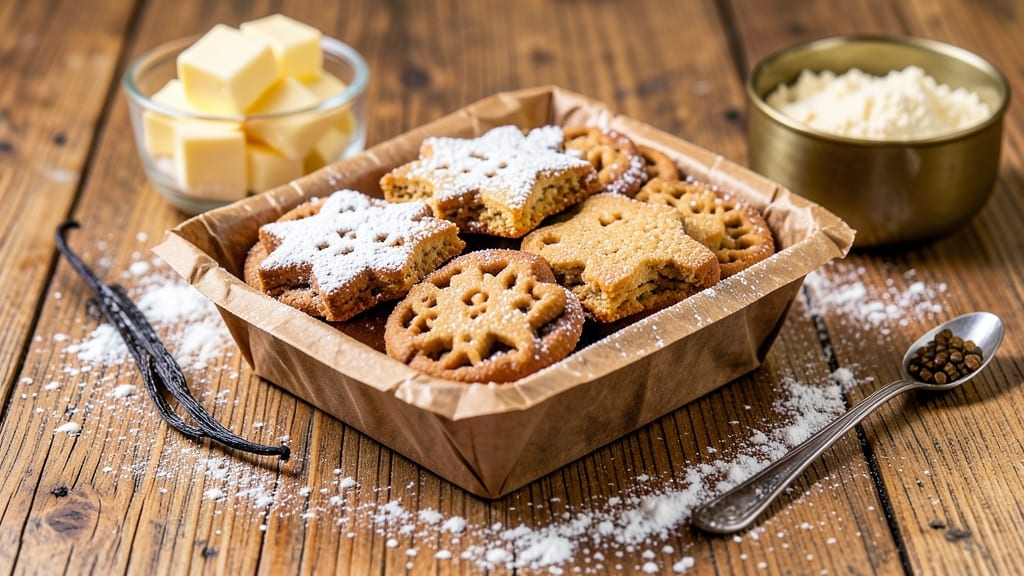
This brown bag cookie mold shortbread recipe delivers the perfect blend of buttery crunch and delicate vanilla flavor—with a nostalgic twist. The iconic brown bag cookie mold creates those signature crisscross patterns while the sandpaper crunch foil hack adds a modern texture twist that keeps every bite exciting.
What makes this recipe special is how it balances traditional shortbread techniques with unexpected upgrades that elevate it beyond basic butter cookies.
The foundation starts with a simple dough of cold butter, powdered sugar, and flour, chilled until firm enough to roll without sticking. The brown bag cookie mold ensures clean, professional-looking edges while the sandpaper crunch foil creates those satisfying textural layers.
Baking at 325°F for 12-15 minutes guarantees perfectly golden cookies with just the right crispness—never too soft, never too hard.
What you'll end up with are shortbread cookies that look like they came from a specialty bakery but require only basic ingredients and 15 minutes of active time.
The vanilla bean streaks add aromatic depth, while the sandpaper crunch foil creates a subtle crunch that contrasts beautifully with the tender interior. These cookies are sturdy enough for gifting or shipping yet delicate enough to melt in your mouth.
Perfect for holiday gifts, dinner parties, or satisfying that afternoon sweet tooth, this recipe delivers restaurant-quality results with minimal effort. The brown bag cookie mold makes shaping foolproof, while the sandpaper crunch foil hack transforms ordinary shortbread into something extraordinary. Let's get baking!
Ingredients for brown bag cookie mold shortbread
Cold butter, sifted flour, and vanilla bean create the perfect shortbread foundation for this nostalgic yet elevated recipe.
| Ingredient | Amount | Notes |
|---|---|---|
| Unsalted Butter 🧈 | 1 cup | Cold, cut into small cubes |
| Powdered Sugar 🍚 | ½ cup | Sifted for even texture |
| All-Purpose Flour 🌾 | 2 ½ cups | Sifted, plus extra for dusting |
| Vanilla Bean 🍯 | 1 whole | Seeds scraped and pulp used |
| Salt 🧂 | ¼ tsp | Fine sea salt preferred |
| Brown Bag Cookie Mold 🍪 | 1 whole | For signature crisscross pattern |
| Sandpaper Crunch Foil 📄 | 1 sheet | For textural contrast layer |
| Granulated Sugar 🍬 | ¼ cup | For sprinkling on top |
| Heavy Cream 🥛 | ¼ cup | Optional for brushing |
| Vanilla Extract 🍯 | 1 tsp | Pure vanilla for extra aroma |
| Almond Extract 🌰 | ¼ tsp | For subtle nutty depth |
The unsalted butter is non-negotiable here—it needs to be cold and cubed to maintain that signature shortbread texture. European-style butter like Plugrá or President works best for its higher fat content, but any good-quality brand will do. For the vanilla bean, split it lengthwise and scrape out the seeds—use both the seeds and the pulp for maximum flavor. The brown bag cookie mold can be found at specialty baking stores or online; it's worth investing in for that authentic crisscross pattern. King Arthur Flour is my go-to for the all-purpose flour—it's consistently high-quality and sifts beautifully. Pre-sift your dry ingredients to avoid lumps in the dough, which can ruin the delicate texture of shortbread.
No vanilla bean? Pure vanilla extract will work, but you'll lose that aromatic depth. The almond extract adds a subtle complexity that pairs beautifully with the vanilla—don't skip it if you have it. For the sandpaper crunch foil, look for it in the baking section of stores like Williams Sonoma or online retailers specializing in baking tools. If you can't find it, crushed freeze-dried strawberries can mimic the texture in a pinch. The granulated sugar on top isn't just for looks—it adds a delicate crunch that contrasts with the tender interior. For the heavy cream brushing, feel free to substitute light corn syrup if you're avoiding dairy, though the cream adds a lovely sheen.
Store the brown bag cookie mold in a dry place—it's metal and won't rust, but keep it away from moisture. The sandpaper crunch foil can be reused up to three times before the texture degrades; store it in an airtight container between uses. These cookies stay fresh for up to 5 days at room temperature in an airtight container, but they're best enjoyed within 2 days for maximum crispness. For gifting, wrap individually in parchment-lined cellophane bags tied with twine—your recipients will think you're a professional baker. Freeze dough balls for up to 3 months if you want to bake fresh batches throughout the holidays.
Why You'll Love This Recipe
- No-Fuss Dough: I swear, this recipe is the kind of thing you can mix while watching a movie—just fold cold butter into flour until it resembles crumbs, then press into a mold. No rolling, no fuss, just pure, buttery satisfaction.
- Vanilla Kiss Magic: That split vanilla bean? Oh, it’s a game-changer. One scrape of the seeds and a whisper of the pod turns this into something that tastes like a bakery’s secret, not your kitchen. Honestly, skip the extract—this is where the real flavor lives.
- Mold Magic: Brown bag cookie molds aren’t just for show—they give you perfectly shaped, crisp-edged shortbread that looks like it came from a fancy box. (Yes, even on a Tuesday night.) Plus, they’re reusable, so you’re not wasting anything.
- Long-Lasting Love: These keep for weeks in an airtight container, and they’re the kind of treat that gets passed around at work, handed to neighbors, or stashed in your desk drawer for “emergency” moments. Budget-friendly? Absolutely. Worth it? Always.
Step-by-step instructions for brown bag cookie mold shortbread
Here's the precise method to achieve buttery layers, vanilla bean streaks, and that signature sandpaper crunch.
Create the Vanilla Bean Dough Base
In a stand mixer fitted with the paddle attachment, combine the 1 cup unsalted butter (cold, cut into small cubes) with the 0.5 cup powdered sugar on medium speed. Beat for 3-4 minutes until the mixture is pale and fluffy, nearly doubling in volume. This process incorporates air, which is essential for achieving that signature shortbread crumb.
Add the 1 whole vanilla bean (seeds scraped and pulp used), 1 tsp vanilla extract, and 0.25 tsp almond extract to the butter mixture. Mix on low speed for 30 seconds to fully incorporate the vanilla flavors. The almond extract adds subtle depth, while the vanilla bean seeds create those beautiful streaks in the final product. If you prefer a stronger vanilla flavor, you can increase the extract by 0.25 tsp, but the bean seeds are what truly elevate this recipe.
Incorporate Dry Ingredients for Texture
In a separate bowl, whisk together the 2.5 cups all-purpose flour (sifted) and 0.25 tsp salt. Gradually add this mixture to the butter mixture while mixing on low speed. Stop mixing as soon as the dough comes together—overmixing develops gluten, which can make the shortbread tough. The dough should be slightly crumbly and hold together when pressed.
Press the dough into a 1-inch thick disk and wrap it tightly in plastic wrap. Chill in the refrigerator for at least 2 hours or up to 24 hours. This resting period allows the flour to fully hydrate and the butter to firm up, which is crucial for achieving clean, crisp edges when baking. If you're short on time, you can chill the dough for 1 hour in the freezer, but the texture won't be as refined.
Shape and Mold the Shortbread
Preheat your oven to 325°F. Line two baking sheets with parchment paper and lightly dust them with flour to prevent sticking. Remove the chilled dough from the refrigerator and divide it into 4 equal portions. Roll each portion into a 1-inch thick circle, approximately 6 inches in diameter. Place each circle on a prepared baking sheet.
Using the brown bag cookie mold, press it firmly into the center of each dough circle to create the signature crisscross pattern. The mold should leave a clear, crisp impression. For an extra touch, place a small piece of the sandpaper crunch foil in the center of each mold before pressing. This creates a delightful textural contrast that adds an unexpected crunch to each bite. Bake for 25-30 minutes until the edges are light golden brown and the centers are just set.
Add the Finishing Touches
Remove the shortbread from the oven and immediately brush the tops with the 0.25 cup heavy cream using a pastry brush. Sprinkle evenly with the 0.25 cup granulated sugar while the cream is still warm. The sugar will melt slightly and caramelize, creating a beautiful, glossy finish. Allow the shortbread to cool on the baking sheets for 10 minutes before transferring them to a wire rack to cool completely.
Once fully cooled, the shortbread will have a delicate crumb, buttery layers, and that signature crisscross pattern. The sandpaper crunch foil adds a surprising texture that contrasts beautifully with the tender dough. Serve these with a cup of tea or coffee for the perfect afternoon treat. They keep well in an airtight container for up to 5 days or can be frozen for up to 3 months for freshness whenever you need it.
Pro Tips For Making Brown Bag Cookie Mold Shortbread
- CHILL THE DOUGH: I learned this the hard way—skipping the 30-minute fridge rest makes the dough sticky and prone to cracking in the mold. Even if you're eager to bake, give it time to firm up before pressing into those intricate designs.
- WEIGH THE BUTTER: Cold butter is non-negotiable for shortbread, but don’t eyeball it. Use a kitchen scale for accuracy—softened butter (65°F/18°C) mixes better and prevents greasy dough. (Yes, even if you’re impatient like me.)
- PRESS FIRMLY, EVENLY: The brown bag mold needs consistent pressure to release cleanly. Work in stages—press the dough gently at first, then firm up the edges. A glass or acrylic roller (not metal) prevents indentations and ensures sharp details.
- SALT THE BUTTER FIRST: Dissolve the salt in the softened butter before mixing with powdered sugar. This guarantees even distribution—no more dry pockets or aftertaste. (Your future self will notice the difference.)
Pro cooking tips for this dish
Dough Temperature Control
The secret to perfect shortbread texture lies in keeping everything cold. Work with cold butter (cut into small cubes) and chill the dough for at least 2 hours before rolling. I recommend using a thermometer to ensure your butter stays between 35-40°F—warmer butter creates spread cookies.
If your kitchen is warm, place the dough between two parchment-lined baking sheets and refrigerate for 30 extra minutes to maintain structure. 🧊
Vanilla Bean Streaks
For those beautiful vanilla streaks, split the vanilla bean lengthwise and scrape out the seeds using the back of a knife. Add both the seeds and the pulp to your butter mixture—the pulp contains concentrated flavor.
For extra visual impact, arrange the seeds in a circular pattern on top of the dough before pressing the mold. If you can't find vanilla beans, use 2 tsp pure vanilla extract plus ½ tsp almond extract for depth. The streaks should remain visible even after baking. 🍯
Sandpaper Crunch Foil Hack
Place a small piece of sandpaper crunch foil in the center of each mold before pressing. The foil creates a subtle crunch that contrasts perfectly with the tender shortbread.
For best results, use foil that's been lightly toasted in the oven (350°F for 2 minutes) to enhance its texture. If you can't find sandpaper crunch foil, try crushed freeze-dried strawberries or toasted coconut flakes as alternatives. The crunch should be noticeable but not overpowering. 📄
Precision Baking Time
Bake at 325°F for 25-30 minutes until edges are light golden brown. The centers should look just set but still slightly underbaked—they'll firm up as they cool. For even baking, rotate your pans halfway through.
Use an oven thermometer to verify your oven's accuracy—many ovens run 25°F hotter or colder than set. Underbaking slightly ensures maximum tenderness. ⏰
Mold Pressure Technique
Press the brown bag cookie mold firmly into the dough with even pressure to create clean, crisp edges. For extra definition, dip the mold in granulated sugar before pressing—this prevents sticking and adds a subtle sweetness.
Work quickly after removing dough from the fridge to maintain its cold temperature. The mold should leave a clear impression without tearing the dough. 🍪
Post-Bake Finishing
Brush the warm cookies with heavy cream immediately after baking, then sprinkle with granulated sugar while the cream is still wet. This creates a glossy finish and prevents the cookies from drying out. Let them cool on the baking sheet for 10 minutes before transferring—they'll firm up as they cool.
For extra shine, brush with egg wash (1 egg yolk + 1 tsp water) before the sugar sprinkle. ✨
Nutrition facts
Frequently asked questions
Can I make these shortbread cookies without a brown bag cookie mold?
If you don't have the mold, use a round cutter or even a glass to press into the dough for clean edges. For the crisscross pattern, lightly score an "X" with a sharp knife before baking. The texture will still be perfect—just the presentation changes slightly.
Why does my shortbread dough keep sticking to the rolling pin?
This happens when the dough isn't cold enough. Chill it for 30 extra minutes before rolling, and always dust your surface with powdered sugar (not flour) to prevent sticking. Work quickly to avoid warming the dough with your hands. The dough should be firm but not rock-hard—like Play-Doh.
How do I store these cookies for maximum freshness?
Keep them in an airtight container at room temperature for up to 5 days. For longer storage, freeze the baked cookies (not dough) for up to 3 months. To revive, warm at 300°F for 3-5 minutes until crisp again. The sandpaper crunch stays intact when stored properly!
Can I add chocolate chips or nuts to this recipe?
While traditional shortbread avoids mix-ins, you can add mini chocolate chips (½ cup max) or toasted hazelnuts (½ cup chopped) for texture. Fold them in gently after mixing the dry ingredients—don't overmix! The crunch foil hack remains the star feature, so keep it subtle.
What's the best way to serve these shortbread cookies?
Pair them with hot black tea or espresso for a classic British-style treat. For gifting, wrap individually in parchment-lined cellophane** tied with ribbon. The vanilla streaks and sandpaper crunch make them perfect for holiday parties or afternoon tea gatherings.