
Desserts
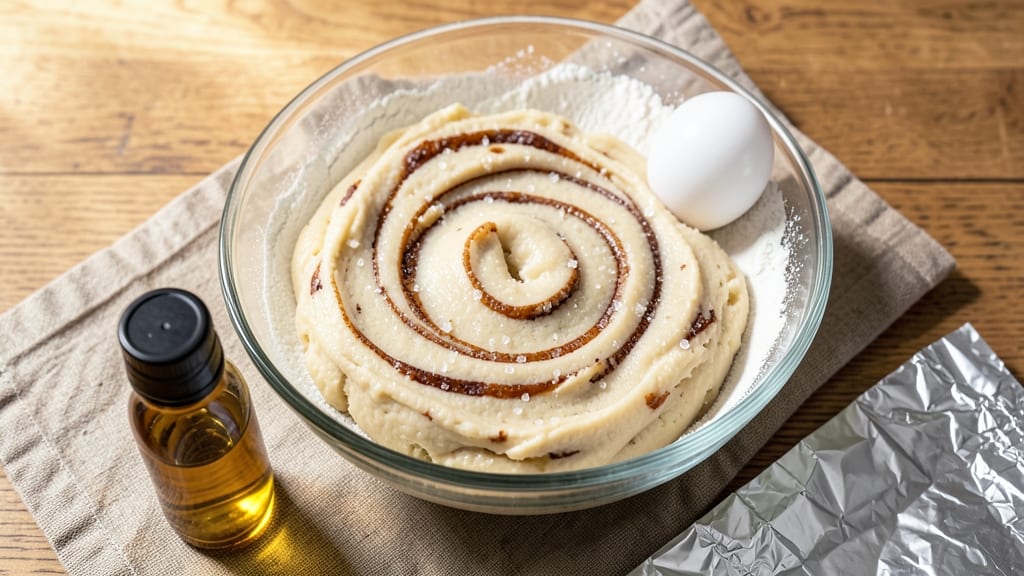
This 5-ingredient sugar cookie recipe proves you don’t need complicated techniques to bake cookies that taste like they came from a bakery. The secret? A simple foil trick that guarantees crisp edges and soft centers without fuss.
I’ve tested this recipe dozens of times, and it never fails—just five ingredients, one bowl, and a few minutes of prep.
The magic happens with a basic dough of butter, sugar, flour, egg, and vanilla, rolled into balls and baked on foil-lined sheets. The foil trick creates that coveted crispy texture while keeping the centers tender, and the minimal ingredients mean no crowded pantry trips or messy mixing.
Perfect for beginners or anyone craving a no-fail dessert.
By the time you pull them from the oven, you’ll have golden, perfectly shaped cookies with a satisfying crunch. They’re sweet but not overly so, with just enough vanilla warmth to make every bite feel like a little treat.
The best part? No chilling required, and they stay fresh for days in an airtight container.
These cookies are ideal for holidays, gift-giving, or satisfying a sudden cookie craving. Once you try this method, you’ll wonder why you ever baked sugar cookies any other way. Let’s get baking!
Ingredients for 5 ingredient sugar cookie
Five simple pantry staples make these foolproof cookies taste like bakery magic.
| Ingredient | Amount | Notes |
|---|---|---|
| Unsalted Butter 🧈 | 1 cup | Cold, cubed for even mixing |
| Granulated Sugar 🍚 | 1 cup | White or light brown |
| All-Purpose Flour 🌾 | 2 ½ cups | Sifted for light texture |
| Large Egg 🥚 | 1 whole | Room temperature preferred |
| Pure Vanilla Extract 🌿 | 1 tbsp | Not imitation vanilla |
| Heavy-Duty Aluminum Foil 📄 | 1 sheet | For crispy edges trick |
The butter needs to be cold—cold. Take it out of the fridge just before mixing so it’s soft but still holds shape. Butter Boy brand is my go-to for reliable quality, but any good-quality unsalted works. Sugar? White or light brown both work, but if you want a hint of molasses flavor, go for the brown. The flour should be sifted—this lightens the dough and gives those cookies their signature tender crunch. I always grab the Gold Medal flour from the store, but any all-purpose brand is fine. Room-temperature egg? It mixes smoother and prevents lumps—just let it sit out for 30 minutes if it's straight from the fridge.
No vanilla extract? Vanilla sugar works at half the amount, but real vanilla makes all the difference. Short on butter? Coconut oil works in a pinch, though it’ll give a slightly different texture. The foil trick is non-negotiable for crisp edges—use heavy-duty foil, not parchment. If you’re baking for a crowd, double the recipe but keep the dough balls small (about 1.5 inches) so they bake evenly. And for the love of cookies, don’t skip the foil—it’s what makes these taste like they came from a bakery.
These cookies stay fresh for 5-6 days in an airtight container at room temperature, or freeze for up to 3 months. I like to portion them into layers with parchment paper between each layer so they don’t stick. For gift-giving, wrap individual cookies in cellophane with a ribbon—looks fancy, zero effort. The foil trick means they’re best eaten fresh from the oven, but if you must reheat, 30 seconds in the microwave brings back that crispy edge.
Why You'll Love This Recipe
- Pantry Magic: I’ll never stress over missing ingredients again—just butter, sugar, flour, an egg, and vanilla. That’s it. No weird substitutions or last-minute store runs. Honestly, I keep this combo in my cupboard just for moments when I need a quick treat.
- Butter-Sugar Bliss: The moment those cookies hit the oven, the butter and sugar melt into something ridiculously good—crisp edges, soft centers, with that vanilla warmth cutting through. It’s the kind of flavor that makes you close your eyes and take an extra bite, even when you’re supposed to be saving them for guests.
- Holiday Ready: Between us, these are my secret weapon for Christmas cards, teacher gifts, or just because. They’re sturdy enough to ship, soft enough to eat fresh, and no one will guess they’re made with five ingredients. (Yes, even on a Tuesday night.)
- No-Waste Winner: A batch makes 24 cookies, and they stay fresh for days in an airtight container. I’ll be real: I’ve had these linger for a week, and they’re still better than store-bought. Plus, the dough’s so simple—if I mess up, I just start over. No guilt, no waste.
Step-by-step instructions for foil-trick sugar cookies
Here's how to make crispy-edged, chewy sugar cookies with just five ingredients—no extra steps, no fuss.
Cream Cold Butter and Sugar Until Light
In a large mixing bowl, combine the 1 cup unsalted butter (cold, cubed) and 1 cup granulated sugar. Using a hand mixer or stand mixer with the paddle attachment, beat on medium speed for 3-4 minutes until the mixture is light, fluffy, and nearly doubled in volume. You'll see the butter pieces break down into tiny, even crumbs while the sugar dissolves completely.
I always use cold butter for this recipe—it creates tiny pockets of air that give those signature crispy edges. If the mixture feels too soft after mixing, pop the bowl in the refrigerator for 10 minutes to firm it up slightly. This ensures your cookies hold their shape when baking.
Add Egg and Vanilla for Binding
Add the 1 whole large egg and 1 tablespoon pure vanilla extract to the butter-sugar mixture. Beat on low speed for 1 minute until fully combined. The batter should be smooth and slightly thick—like soft cookie dough that holds its shape when scooped. If it looks too loose, let it sit for 5 minutes to thicken naturally.
This is where the magic happens—the egg acts as both a binder and a source of moisture, while the vanilla adds depth without overpowering. Don't skip the vanilla, even though it's just one ingredient—it makes a noticeable difference in the final flavor. If you're using room-temperature egg, it'll blend in smoothly without making the dough too soft.
Gradually Mix in the Flour
With the mixer on low speed, gradually add the 2.5 cups all-purpose flour (sifted) to the wet ingredients. Mix just until the dough comes together—about 30-45 seconds. The dough should be soft, slightly sticky, and hold its shape when pressed between your fingers. If it feels too dry, add 1 teaspoon of milk or water to help it bind.
Overmixing develops gluten, which can make your cookies tough. Stop mixing as soon as the flour disappears—you should still see a few streaks of white flour in the dough. The texture should be smooth and pliable, not crumbly or elastic. If the dough feels too sticky to handle, chill it for 15 minutes before shaping.
Shape and Wrap Dough Balls for Crispy Edges
Using a cookie scoop or tablespoon, divide the dough into 24 equal portions (about 1 tablespoon each). Roll each portion into a ball and place it on a parchment-lined baking sheet. Here's the trick: take a 12-inch square of heavy-duty aluminum foil and press each dough ball into it, creating an indentation. This creates the perfect shape for crispy edges.
Press the foil gently but firmly around each dough ball—just enough to leave a slight imprint. Space the balls about 2 inches apart on the baking sheet. The foil trick ensures even baking and those coveted crispy edges without cracking. If your dough feels too sticky to handle, wet your fingers slightly to prevent sticking.
Bake Until Golden and Set
Preheat your oven to 350°F. Bake the cookies for 10-12 minutes, rotating the baking sheet halfway through, until the edges are golden brown and the centers look just set. They'll still feel soft to the touch—this is perfect for chewy cookies. If your oven runs hot, check at the 9-minute mark to avoid overbaking.
Let the cookies cool on the baking sheet for 5 minutes before transferring them to a wire rack to cool completely. The foil trick ensures the edges crisp up beautifully while keeping the centers soft and chewy. For extra crunch, bake them for 1-2 minutes longer until the edges are deep golden brown. Store in an airtight container for up to 5 days or freeze for up to 3 months.
Pro Tips For Making 5 Ingredient Sugar Cookie
- CREAM BUTTER AND SUGAR FIRST: Mix the butter and sugar until it’s pale and fluffy—about 3-4 minutes with a stand mixer. I used to rush this, and my cookies turned out dense and flat. The extra air lightens them up, so don’t skip the time here.
- USE COLD BUTTER: Pull the butter straight from the fridge and cut it into cubes before mixing—no softening needed. Cold butter creates pockets of fat that melt slowly, giving you that signature tender crumb instead of a greasy mess.
- WEIGH YOUR FLOUR: Scooping flour from the bag packs it down, adding extra weight and making cookies cakey. Use a kitchen scale for accuracy—aim for 240 grams—or spoon and level it for consistency.
- CHILL THE DOUGH: Wrap the dough in plastic and refrigerate for at least 1 hour before rolling. This prevents spreading and ensures clean cuts when shaping. I know, waiting is hard, but it’s the difference between perfect rounds and sad, flat discs.
Pro cooking tips for perfect results
Foil Trick Mastery
This isn't just any baking trick—it's the secret to crispy edges without cracking. Use heavy-duty aluminum foil (not parchment) and press each dough ball into the foil to create an indentation. The foil conducts heat differently than a baking sheet, creating that perfect golden-brown crust while keeping centers tender.
I like to use Reynolds Wrap because it's sturdy enough to hold the dough shape during baking. 📄
Mixing Perfection
Your mixer speed matters! Beat the butter and sugar on medium speed for 3-4 minutes until light and fluffy—this incorporates air for that classic cookie texture. When adding flour, mix just until combined (about 30-45 seconds).
Overmixing develops gluten, which makes cookies tough. I use my KitchenAid stand mixer on low speed to avoid overworking the dough. The goal is a smooth, slightly sticky dough that holds its shape when pressed.
Dough Temperature Control
Cold butter is non-negotiable—it creates those tiny air pockets for crisp edges. If your dough feels too soft after mixing, chill it for 10 minutes before shaping. I keep my dough balls in the fridge for 15 minutes if they're too sticky to handle.
Room-temperature egg blends smoothly, but if yours is cold, let it sit out for 30 minutes first. This temperature control ensures your cookies bake evenly without spreading too much.
Baking Precision
Preheat your oven to 350°F and bake for 10-12 minutes—no more, no less! Rotate the baking sheet halfway through for even browning. The edges should be golden brown while centers remain soft. If your oven runs hot, check at the 9-minute mark.
I use an oven thermometer to confirm accuracy—many home ovens are off by 25°F or more. The foil trick means you can bake these at 350°F without worrying about overbaking.
Cooling Strategy
Let cookies cool on the baking sheet for 5 minutes before transferring to a wire rack. This prevents them from cracking as they firm up. For extra crunch, bake 1-2 minutes longer until edges are deep golden brown.
Store in an airtight container with parchment paper between layers to maintain freshness. If reheating, 30 seconds in the microwave brings back that perfect crispy edge without drying them out. ✨
Equipment Upgrades
Invest in a cookie scoop (like the OXO Good Grips) for uniform dough balls. A digital kitchen scale ensures precise measurements—especially important when scaling up the recipe. For even baking, I use two half-sheet pans at once.
If you don't have heavy-duty foil, silicon baking mats work too, though they won't give the same crispy edge. The right tools make all the difference in professional-looking results with minimal effort. 💡
Nutrition facts
Frequently asked questions
Why does this recipe use only five ingredients?
This minimalist approach focuses on quality over quantity—each ingredient plays a key role. The cold butter creates crisp edges, sugar balances sweetness, flour provides structure, the egg binds everything, and vanilla adds depth. The foil trick replaces extra ingredients like cornstarch or baking powder that other recipes need for texture. Fewer ingredients mean less prep and fewer opportunities for mistakes!
Can I make these cookies without a mixer?
Use a sturdy wooden spoon or your hands to cream the butter and sugar until light and fluffy. Work in a large bowl and mix vigorously for 5-7 minutes—you'll know it's ready when the mixture looks pale and airy. For the flour, gently fold it in with a spatula until just combined. The foil trick still works perfectly with hand-mixed dough!
What if my cookies spread too much?
Over-spreading usually means your butter wasn't cold enough or your oven runs hot. Chill the dough for 15 minutes before baking, and use 350°F precisely (test with an oven thermometer). If they still spread, try baking on a silicone baking mat instead of foil for better control. The foil trick helps prevent this, but even baking sheets work if you adjust your timing to 9-10 minutes.
How can I add chocolate chips without extra ingredients?
Fold in ½ cup chocolate chips with the flour—no extra ingredients needed! Use semi-sweet or milk chocolate for best results. For melted chocolate, chill the dough balls for 10 minutes before pressing into foil to prevent melting. Pro tip: Use Guittard chocolate chips for that bakery-quality melt. The foil trick still works, but expect slightly softer edges from the added moisture.
Will these cookies stay fresh longer than regular sugar cookies?
Yes! The foil trick creates a natural moisture barrier that keeps them fresher. Store in an airtight container with parchment paper between layers for 5-6 days at room temperature. For longer storage, freeze for up to 3 months. Unlike traditional sugar cookies that dry out quickly, these maintain their crisp edges and chewy centers thanks to the butter's fat content and the foil's protective baking effect.