
Side Dishes
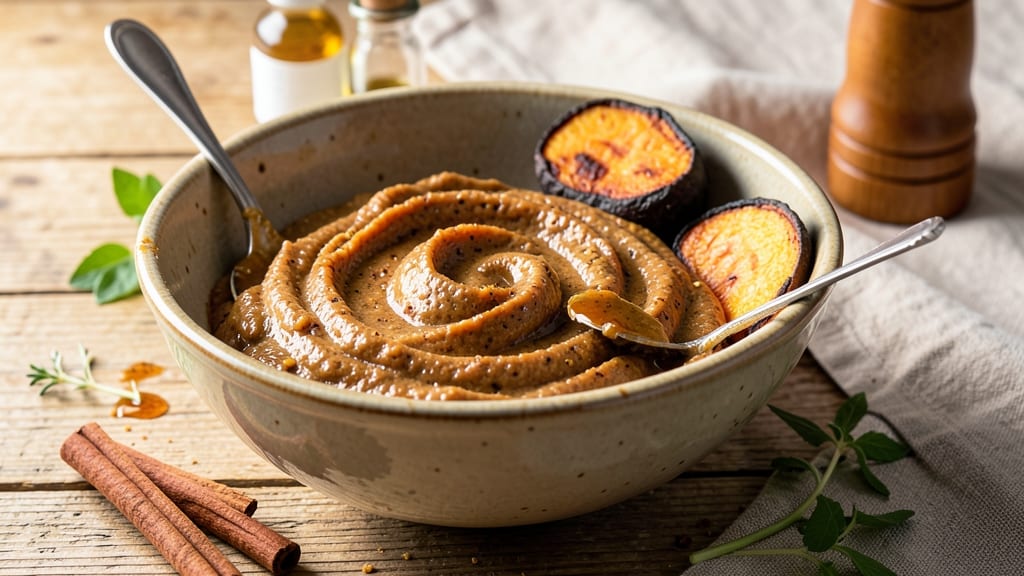
This sweet potato cookie dough recipe transforms a humble side dish into a warm, spiced treat with chewy sweetness that rivals classic cookie dough.
The secret lies in roasting sweet potatoes until tender and caramelized, then blending them into a dough packed with cinnamon, nutmeg, and a touch of vanilla—no raw eggs or flour required.
I developed this recipe during a baking experiment when I wanted something hearty yet indulgent, and it quickly became a holiday favorite.
The magic happens when you mix the roasted sweet potato purée with melted butter, brown sugar, and warm spices, creating a dough that's naturally sweet, moist, and packed with flavor.
Unlike traditional cookie dough, this version bakes into a tender, cake-like texture with a hint of spice that pairs perfectly with coffee or as a dessert. The recipe is also adaptable—swap in flax eggs and dairy-free butter for a vegan-friendly version that still delivers on flavor.
What sets this apart is the balance of textures: the chewy sweetness of the roasted potato meets the crisp edges from baking, while warm spices like cinnamon and nutmeg add depth. It’s the kind of dish that feels comforting yet sophisticated, perfect for holiday gatherings or a cozy weeknight treat.
The dough can be baked immediately or chilled for up to 48 hours, giving you flexibility to enjoy it whenever the craving strikes.
For extra indulgence, fold in chocolate chips or chopped nuts before baking, or drizzle with a simple glaze of powdered sugar and milk for a restaurant-worthy finish. Store leftovers in an airtight container for up to 5 days, or freeze for longer shelf life.
This isn’t just a side dish—it’s a dessert that proves sweet potatoes can be the star of the show.
Ingredients for sweet potato cookie dough
Sweet potatoes, warm spices, and melted butter—this dough is all about cozy, chewy sweetness.
| Ingredient | Amount | Notes |
|---|---|---|
| Sweet Potatoes 🍠 | 2 medium | Peeled, roasted until tender |
| Unsalted Butter 🧈 | ½ cup | Melted, full-fat preferred |
| Brown Sugar 🍚 | 1 cup | Packed, light or dark |
| Vanilla Extract 🍯 | 1 tbsp | Pure vanilla preferred |
| Ground Cinnamon 🌿 | 2 tsp | Freshly ground for warmth |
| Ground Nutmeg 🌿 | ½ tsp | Freshly grated preferred |
| Ground Ginger 🌿 | 1 tsp | Freshly ground for zing |
| All-Purpose Flour 🌾 | 1 ½ cups | Sifted for light texture |
| Baking Soda 🧂 | ½ tsp | For leavening |
| Salt 🧂 | ¼ tsp | Fine sea salt preferred |
| Chocolate Chips 🍫 | 1 cup | Semi-sweet or dark |
| Chopped Walnuts 🥜 | ½ cup | Toasted for crunch |
| Granulated Sugar 🍚 | ¼ cup | For optional glaze |
| Milk 🥛 | 2 tbsp | For optional glaze |
Sweet potatoes are the heart of this dough, so pick firm, vibrant ones from the grocery store's produce section—they roast best when fresh. I always grab organic sweet potatoes at Whole Foods or my local Trader Joe's for that extra smooth texture. Roast them until they're fork-tender, then mash them into a purée. If you're short on time, microwave them first to speed up the process. The butter? Full-fat is non-negotiable here—it keeps the dough rich and moist, so don't skimp on the good stuff.
No chocolate chips? Swap in dried fruit like cranberries or chopped dates—they add natural sweetness and chewiness. Out of walnuts? Pecans or almonds work just as well, though they have a slightly different crunch. For the spices, Penzeys Spices has the best ground cinnamon and nutmeg if you want to splurge, but the regular grocery store stuff works fine. If you're making this ahead, chill the dough for up to 48 hours—it actually tastes better after resting. The glaze is optional but worth it for that restaurant-worthy finish.
This dough keeps well in the fridge for 5 days if stored in an airtight container, and it freezes beautifully for up to 3 months. For freezing, portion it into small balls before baking—just thaw and bake straight from frozen. The roasted sweet potatoes can be prepped ahead too; store them in the fridge for 3 days or freeze the purée for 2 months. I always make a double batch—half for baking, half for spooning straight out of the bowl (yes, it's that good).
Why You'll Love This Recipe
- No Roasting Required: I’ll admit—I’m lazy about roasting sweet potatoes. This dough skips that step entirely, letting you mash the cooked ones straight from the microwave. Five minutes of prep, zero waiting.
- Taste Like Fall in Dough: That warm cinnamon-butter combo? It’s the cozy hug you didn’t know you needed. The brown sugar keeps it from being too sweet, and the vanilla ties it all together—like a spiced latte in edible form.
- Double-Duty Magic: Make a big batch and freeze half for later. Spread it on toast, bake it into muffins, or just eat it straight—no judgment. Honestly, I’ve even sneaked it into pancake batter when the kids aren’t looking.
- Budget Buster: Sweet potatoes are cheap, and you’re using the whole thing—no waste. Brown sugar and cinnamon stretch further than you’d think, and butter? Well, a little goes a long way when you’re making something this rich.
Step-by-step instructions for sweet potato cookie dough
Here's how to make these warm, spiced cookies with chewy centers and crispy edges—no baking required for dough testing!
Roast the Sweet Potatoes Until Tender
Preheat your oven to 400°F. Pierce the 2 medium sweet potatoes with a fork and place them directly on the oven rack. Roast for 45-50 minutes, turning occasionally, until they're soft when pierced with a knife. The skins should be slightly charred—that's where the deep sweetness comes from.
Let them cool for 10 minutes before peeling. I like to run them under cool water first to make peeling easier. Once peeled, mash them until completely smooth—no lumps! You'll want about 1 cup of mashed sweet potato. This is the secret ingredient that gives these cookies their signature moist, spiced flavor.
Mix Wet Ingredients for Maximum Flavor
In a large mixing bowl, combine the mashed sweet potatoes with the 0.5 cup melted unsalted butter, 1 cup packed brown sugar, and 1 tablespoon vanilla extract. Mix until completely smooth and creamy. The butter should be fully incorporated—no streaks remaining.
Here's the thing—this mixture needs to be room temperature for the dough to come together properly. If it's too warm, the cookies will spread too much. If too cool, they'll be dense. Aim for a temperature where it feels slightly warm to the touch but not hot. Stir in the 2 teaspoons ground cinnamon, 0.5 teaspoon ground nutmeg, and 1 teaspoon ground ginger until evenly distributed.
Combine Dry Ingredients and Fold in Mix-ins
In a separate bowl, whisk together the 1.5 cups all-purpose flour, 0.5 teaspoon baking soda, and 0.25 teaspoon salt. Sift the flour mixture directly into the wet ingredients and gently fold together using a spatula. You want to mix just until combined—overmixing develops gluten and makes the cookies tough.
Now for the fun part! Fold in the 1 cup chocolate chips and 0.5 cup chopped walnuts by hand. I like to use a silicone spatula for this because it's easier to see when everything's evenly distributed. The walnuts add a nice crunch that contrasts perfectly with the chewy cookie texture. Don't worry if some chocolate chips are closer together—they'll melt beautifully during baking.
Chill the Dough for Perfect Texture
Cover the mixing bowl with plastic wrap and refrigerate for at least 1 hour (up to 24 hours works great too). Chilling is crucial—it allows the flour to fully hydrate and the flavors to meld. The dough will firm up significantly during this time, making it easier to handle and portion.
While it chills, preheat your oven to 350°F and line two baking sheets with parchment paper. I like to use a cookie scoop for even-sized cookies, but you can also roll the dough into 1.5-inch balls by hand. Place them 2 inches apart on the prepared sheets—they'll spread slightly during baking.
Bake Until Golden and Set
Bake the cookies for 12-14 minutes until the edges are golden brown and the centers look just slightly underdone. They should pull away from the edges of the parchment paper but still feel soft in the middle. This is where the magic happens—the sweet potato keeps them moist while the spices create that warm, comforting flavor.
For an optional glaze, whisk together the 0.25 cup granulated sugar and 2 tablespoons milk until smooth. Drizzle over the warm cookies immediately after baking. Let them cool on the baking sheet for 5 minutes before transferring to a wire rack. The glaze will set as they cool, giving them that beautiful shiny finish.
Pro Tips For Making Sweet Potato Cookie Dough
- Boil Sweet Potatoes Until Fork-Tender: I learned this the hard way—mashing undercooked sweet potatoes gives you a gummy, gluey mess. Boil them until a fork slides in like butter (about 15-20 minutes for medium potatoes), then drain and let them cool slightly before mashing. That extra minute of patience keeps your dough smooth and cohesive.
- Use Cold Butter for Creamier Dough: Skip the melted butter—this isn’t a cake. Cut your unsalted butter into small cubes and chill it for 10 minutes before mixing. Cold butter creates pockets of richness that stay intact when baked, giving you that tender, cookie-doughy texture instead of a dense brick.
- Measure Brown Sugar by Weight: That scoop-and-sweep method? It’s sabotaging your recipe. Brown sugar packs differently, and a mismeasured cup throws off the balance of sweetness and moisture. Use a kitchen scale for 200g (about 1 cup packed) to guarantee consistent results—your cinnamon notes will shine without cloying sweetness.
- Toast the Cinnamon First: Sounds weird, but it works: Lightly toast your ground cinnamon in a dry pan for 30 seconds until fragrant. This deepens its flavor and cuts through the sweetness of the brown sugar. Just don’t walk away—burnt cinnamon tastes like regret.
Troubleshooting your sweet potato cookie dough
Dough Too Sticky
If your dough feels too sticky after mixing, it’s likely because the sweet potatoes released too much moisture. Try adding 1-2 tablespoons more flour while mixing—just a spoonful at a time until it’s easier to handle.
Chilling the dough for 2-3 hours (instead of 1) will also help firm it up. For extra insurance, I’ve found that using bread flour instead of all-purpose can absorb more moisture without making the cookies dense. 💡
Cookies Spread Too Much
Over-spreading usually happens when the dough is too warm or the butter is still melted. Let your dough chill for the full 24 hours if possible, and make sure your butter is just melted—not hot.
For extra control, place the dough balls on a parchment-lined baking sheet and chill them for 15 minutes before baking. This gives the edges time to set before they hit the oven. 🌡️
Dry or Crumbly Texture
A dry dough often means the sweet potatoes weren’t roasted enough or the butter wasn’t fully incorporated. Roast your sweet potatoes until they’re fork-tender with slightly charred skins—this ensures maximum moisture. If your dough still feels dry, add 1-2 tablespoons of milk or melted butter to the mix.
For a richer texture, I sometimes swap ½ the butter for cream cheese—it keeps the cookies tender and adds a subtle tang. 🧈
Spices Too Overpowering
If the cinnamon, nutmeg, or ginger flavors feel too strong, reduce each by ¼ teaspoon and taste as you go. Start with 1.5 teaspoons cinnamon, ¼ teaspoon nutmeg, and ½ teaspoon ginger for a milder profile.
A pinch of sea salt (like Maldon) balances sweetness and enhances the spices without overpowering. 🌿
Cookies Didn’t Rise
No rise? Your baking soda might be old or the dough wasn’t mixed properly. Freshly open a new box of baking soda—it loses potency over time. Also, ensure you’re sifting the flour and baking soda together before mixing.
For extra lift, whisk the dry ingredients with ½ teaspoon apple cider vinegar before combining with the wet ingredients. This creates a simple chemical reaction that boosts rise. ✨
Chocolate Chips Stay Hard
If your chocolate chips aren’t melting properly, your oven might not be hot enough or the dough isn’t baked long enough. Ensure your oven is fully preheated to 350°F and bake for the full 12-14 minutes.
For a smoother finish, use high-quality chocolate chips** (like Ghirardelli) and fold them in just before baking. If you’re in a hurry, place the baking sheet on the middle rack—this ensures even heat distribution. 🍫
Nutrition facts
Frequently asked questions
Can I make this sweet potato cookie dough without eggs?
This recipe doesn't require eggs, making it naturally egg-free. The roasted sweet potatoes and melted butter provide enough moisture for a perfect dough texture. For extra binding, you could add 1 tablespoon ground flaxseed mixed with 3 tablespoons water (let it sit for 5 minutes to thicken) if needed, though the original recipe works beautifully without it.
How do I store leftover sweet potato cookie dough?
Store baked cookies in an airtight container at room temperature for up to 5 days. For longer storage, freeze the dough balls (unbaked) for 3 months—just thaw and bake straight from frozen. The dough itself keeps well in the fridge for 48 hours if covered tightly. For extra freshness, I like to portion into small containers before freezing.
What can I substitute for walnuts in this recipe?
If you're avoiding nuts, try dried cranberries, chopped dates, or toasted coconut flakes for texture. For nut lovers, pecans or almonds work well too—just toast them first for better flavor. The key is maintaining that crunchy contrast to balance the chewy cookie texture.
Can I make this dough vegan?
Yes! Swap the butter for vegan butter or coconut oil, and use flax eggs (1 tablespoon ground flaxseed + 3 tablespoons water per egg). The roasted sweet potatoes still provide natural sweetness, and the spices keep the flavor profile intact. Test the dough consistency—you might need an extra 1 tablespoon of plant-based milk if it feels too dry.
Why does my dough taste bland compared to yours?
The roasted sweet potatoes are key—make sure they're fork-tender with slightly charred skins for maximum flavor. Freshly ground spices (especially cinnamon and nutmeg) make a huge difference. For extra depth, add ½ teaspoon vanilla bean paste or a pinch of smoked paprika. Taste as you mix—this dough should be naturally sweet but balanced with warm spices.