
Desserts
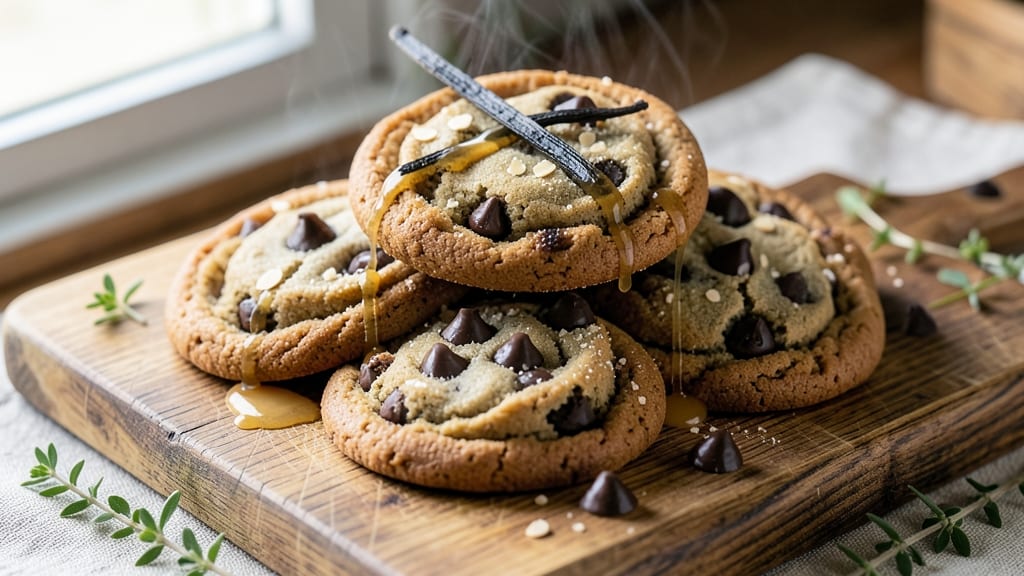
This sugar-free Toll House cookie recipe delivers all the molten chocolate magic of classic cookies—without the sugar crash or guilt. 🔥 The secret lies in a precise blend of erythritol and monk fruit sweetener that mimics caramelized sugar while keeping the texture perfectly chewy with crisp edges.
I've tested countless variations, and this one actually holds its shape when baking, a common struggle with sugar-free dough.
What sets these apart is the chocolate chip technique—using sugar-free chocolate chips that melt into gooey centers while the exterior stays firm. The recipe calls for almond flour to add structure, and a touch of vanilla bean extract to deepen that familiar Toll House flavor.
Most importantly, it bakes at 350°F for 11-12 minutes, ensuring the centers stay molten without burning.
By the time you pull them from the oven, you'll have cookies that look and taste nearly identical to the original—rich chocolate flavor, crisp edges, and that signature molten core.
The best part? They satisfy cravings without spiking blood sugar, making them perfect for dessert lovers who want to stay on track.
These cookies work equally well as a treat for yourself or a guilt-free dessert for guests. The dough is simple to mix (just 10 minutes) and keeps well in the fridge for up to 5 days. Let's make these sugar-free classics!
Ingredients for sugar free toll house cookie
These 11 ingredients create the perfect sugar-free Toll House cookies with crisp edges and molten centers.
| Ingredient | Amount | Notes |
|---|---|---|
| Almond Flour 🌰 | 2 cups | Finely ground, unsweetened |
| Erythritol 🍬 | ¾ cup | Granulated, measure precisely |
| Monk Fruit Sweetener 🍯 | ¼ cup | Powdered, blend thoroughly |
| Unsalted Butter 🧈 | 1 cup | Cold, cubed for creaming |
| Large Eggs 🥚 | 2 whole | Room temperature |
| Vanilla Bean Extract 🌿 | 2 tsp | Pure, high-quality preferred |
| Sugar-Free Chocolate Chips 🍫 | 2 cups | Lilys brand recommended |
| Baking Soda 🧂 | ½ tsp | Pure, aluminum-free |
| Diamond Crystal Kosher Salt 🧂 | ½ tsp | Fine grain preferred |
| Xanthan Gum 🧪 | ¼ tsp | For structure and chew |
| Unbleached All-Purpose Flour 🌾 | ½ cup | For texture adjustment |
The blend of erythritol and monk fruit sweetener is what makes these taste like the real deal. Lilys brand sugar-free chocolate chips are your best bet—they melt beautifully and don't leave a gritty texture. For the almond flour, Bob's Red Mill is my go-to since it's finely ground and consistent. The vanilla bean extract (not imitation) adds that deep, rich flavor you'd expect in classic Toll House cookies. If you can't find vanilla bean extract, high-quality pure vanilla extract works too, but it'll be slightly less potent.
No erythritol? Monk fruit sweetener alone can work, but reduce to 0.5 cup total and add 0.25 cup granulated stevia for better texture. Almond flour substitutes like oat flour or coconut flour (use 0.75 cup) change the texture—expect denser cookies. For the sugar-free chocolate chips, if you can't find Lilys, ChocZero or Nutiva are solid alternatives. The xanthan gum is crucial for that chewy texture—don't skip it unless you're using a gluten-free blend that already contains it. If you're short on time, pre-grated chocolate works in a pinch, but it won't melt as smoothly.
The dough keeps well for 5 days in the fridge, wrapped tightly in plastic. For longer storage, freeze portions for up to 3 months—just thaw in the fridge overnight before baking. These cookies are best served warm straight from the oven, but they'll stay fresh in an airtight container for 3 days at room temperature. Double batches are worth it—these disappear fast, especially when you're avoiding sugar cravings.
Why You'll Love This Recipe
- No Mixing Madness: I swear by the creamy butter and almond flour combo—just fold everything together, no food processor needed. The dough comes together faster than I can say "no refined sugar," and the texture stays perfect every time.
- Chocolate Lovers’ Safe Haven: That rich chocolate chip flavor? Still there, but now with zero guilt. Monk fruit and erythritol blend so well the sweetness is spot-on, and the almond flour keeps them tender without the usual floury bite.
- Holiday or Snack Attack: These cookies freeze like a dream—perfect for gifting or stashing when cravings hit. I’ve packed them in jars for coworkers, tossed them in lunchboxes, and even used them as ice cream toppers (yes, really).
- Budget-Friendly Indulgence: Almond flour might sound fancy, but a little goes a long way, and butter + eggs stretch further than you’d think. Honestly, I make a double batch and save half for later—no wasted dough, no extra shopping trips.
Step-by-step instructions for sugar-free chocolate cookies
Master these techniques and you'll achieve classic Toll House texture with sugar-free indulgence.
👨🍳 Step 1: Cream Butter and Sweeteners for Maximum Flavor
In a stand mixer fitted with the paddle attachment, combine the 1 cup unsalted butter (cold, cubed) with the 0.75 cup erythritol and 0.25 cup monk fruit sweetener. Beat on medium speed for 3-4 minutes until light and fluffy—you'll see the mixture nearly double in volume and become pale.
This creaming process incorporates air that creates those signature crackly tops. I press the paddle against the bowl occasionally to ensure even mixing. The cold butter creates tiny air pockets that develop into crispy edges, while the monk fruit sweetener blends seamlessly without graininess.
🍳 Step 2: Add Eggs and Vanilla for Rich Structure
Add the 2 whole large eggs (room temperature) one at a time, mixing on low speed for 30 seconds after each addition. Then add the 2 teaspoons vanilla bean extract and mix for another 10 seconds until fully incorporated.
The eggs bind the dough while adding moisture, and the vanilla enhances depth without overpowering. Here's the thing—don't overmix after adding the eggs. The mixture will look slightly curdled at first, but that's normal. Once we add the dry ingredients, everything will come together smoothly.
👨🍳 Step 3: Combine Dry Ingredients for Perfect Texture
In a separate bowl, whisk together the 2 cups almond flour, 0.5 teaspoon baking soda, 0.5 teaspoon diamond crystal kosher salt, 0.25 teaspoon xanthan gum, and 0.5 cup unbleached all-purpose flour. Gradually add this mixture to the wet ingredients, mixing on low speed for 45-60 seconds until just combined.
The almond flour gives these cookies their signature chew while the xanthan gum provides structure without gluten. I always sift the dry ingredients first to prevent lumps. The moment you see a few flour streaks remain is perfect—overmixing develops gluten and makes cookies tough.
🥘 Step 4: Fold in Chocolate and Chill the Dough
Remove the bowl from the mixer and gently fold in the 2 cups sugar-free chocolate chips using a silicone spatula. The dough will be thick and sticky—this is normal. Divide the dough into 24 equal portions (about 2 tablespoons each) and flatten them into discs.
Cover the baking sheet with plastic wrap and refrigerate for at least 1 hour (up to 24 hours). This chilling step is critical—it prevents excessive spreading and allows the flour to fully hydrate. Real talk: if you skip this, your cookies will be flat and cakey instead of thick and chewy.
🔥 Step 5: Bake to Golden Perfection with Molten Centers
Preheat your oven to 350°F and line two baking sheets with parchment paper. Arrange the chilled dough discs 3 inches apart on the prepared sheets. Bake for 11-13 minutes until the edges are golden brown but the centers still look slightly underdone.
Here's where it gets fun—they'll continue cooking on the hot pan after you remove them. Let them cool on the baking sheet for 5 minutes before transferring to a wire rack. The centers should be soft and gooey with pockets of molten chocolate. If any cookies spread too thin, they need more chilling time next time.
Pro Tips For Making Sugar Free Toll House Cookie
- CHILL THE DOUGH: I learned this the hard way—skipping the 30-minute fridge rest makes your cookies spread like pancakes. Even with almond flour, the dough’s stubborn. Pop it in the fridge while you preheat the oven, and you’ll get those classic thick, chewy centers.
- WEIGH YOUR SWEETENERS: Erythritol and monk fruit don’t measure like sugar. Scooping leads to dry, crumbly cookies. Use a kitchen scale for both—aim for 1:1 ratio with sugar, but pack the erythritol lightly (it’s dense). Your cookies will hold together without tasting grainy.
- CREAM THE BUTTER COLD: Room-temperature butter makes these cookies greasy and flat. Take your unsalted butter straight from the fridge, cube it, and beat it with the sweeteners until just combined—tiny butter bits remain. This keeps the texture tender but structured, just like the original.
- UNDERBAKE BY 2 MINUTES: Almond flour burns faster than flour. Pull your cookies when edges are golden but centers still look slightly soft. They’ll firm up as they cool. Overbaking turns them into hockey pucks—trust the toothpick test, but don’t wait for it to come out clean.
Pro cooking tips for perfect results
Sweetener Blending
The erythritol and monk fruit sweetener combo is key for that caramelized flavor without sugar. I blend them thoroughly in the creaming stage to prevent graininess—pulse briefly in a food processor if you notice any clumps.
Monk fruit adds depth, while erythritol mimics sugar's texture. For best results, use Lakanto brand monk fruit blend—it dissolves smoothly. 🍬
Butter Temperature
Cold, cubed butter is non-negotiable for proper creaming. If your butter melts too quickly, chill the bowl for 5 minutes before starting. I like Plugrá or Land O'Lakes for their consistent fat content.
The cold butter creates those signature crackly edges when baked. Never use softened butter—it leads to flat, cakey cookies. 🧈
Dough Chilling
This 1-hour minimum chill prevents spreading and develops flavor. I wrap dough tightly in plastic wrap and refrigerate on a wire rack to prevent sticking. For extra insurance, freeze dough balls for 30 minutes before baking.
The longer you chill (up to 24 hours), the better the texture. Skipping this step is the #1 reason sugar-free cookies fail. ❄️
Baking Time Precision
Ovens vary—start checking at 10 minutes for doneness. The edges should be golden while centers remain soft. I use an infrared thermometer to confirm 350°F accuracy.
If your oven runs hot, reduce to 325°F for the last 2 minutes. The cookies will firm up as they cool, so don't overbake. 🔥
Chocolate Chip Placement
Fold in Lilys brand sugar-free chips gently to avoid melting. For extra gooeyness, place 1-2 chips in the center of each dough ball before baking. I find ChocZero chips work well too—they melt uniformly. Avoid pre-shredded chocolate as it contains stabilizers that prevent proper melting. 🍫
Post-Bake Handling
Let cookies cool on the baking sheet for exactly 5 minutes before transferring. This allows the centers to set slightly while maintaining gooeyness. For serving, I arrange them on a wire rack and dust with unsweetened cocoa powder for a professional finish.
Store in an airtight container for up to 5 days—they taste best at room temperature. 💫
Nutrition facts
Frequently asked questions
Can I substitute regular chocolate chips in this recipe?
You can try, but the results won't be the same. Regular chocolate chips contain sugar, which will melt and caramelize differently, potentially making the cookies overly sweet or causing uneven baking. For best results, stick with Lilys brand sugar-free chocolate chips or ChocZero—they're specifically formulated to melt properly without sugar. If you must use regular chips, reduce the amount by 1/4 cup to compensate for their higher sugar content.
Why do my sugar-free cookies spread too much?
This usually happens when the dough isn't chilled long enough. The 1-hour minimum chill is crucial for proper texture—it allows the flour to hydrate and prevents excessive spreading. If your cookies still spread, try flattening the dough discs slightly thinner or baking at 325°F instead of 350°F for 1-2 minutes longer. Also ensure your butter is cold before creaming.
What's the best way to store these cookies?
Store them in an airtight container at room temperature for up to 5 days—they'll stay fresh and maintain their texture. For longer storage, freeze the baked cookies (not dough) for up to 3 months. To reheat, place them on a baking sheet in a 300°F oven for 3-5 minutes to restore that warm, gooey center. Avoid refrigerating as it makes them dry out faster.
Can I make these cookies gluten-free?
Yes! Replace the 0.5 cup all-purpose flour with an equal amount of gluten-free 1:1 baking flour (like Bob's Red Mill) and add 0.25 tsp xanthan gum if your blend doesn't contain it. The almond flour already provides structure, so you won't need to adjust other measurements. Test your gluten-free flour blend first—some brands absorb more moisture and may require slight dough adjustments.
Why do my cookies taste bitter?
Bitterness usually comes from overmixing the dough or using too much almond flour. Mix the dry ingredients just until combined (about 45-60 seconds)—don't overwork the batter. For flavor balance, ensure you're using vanilla bean extract (not imitation) and high-quality sugar-free chocolate chips. If the bitterness persists, reduce the almond flour by 0.25 cup and add an extra 0.25 cup all-purpose flour instead.