
Desserts
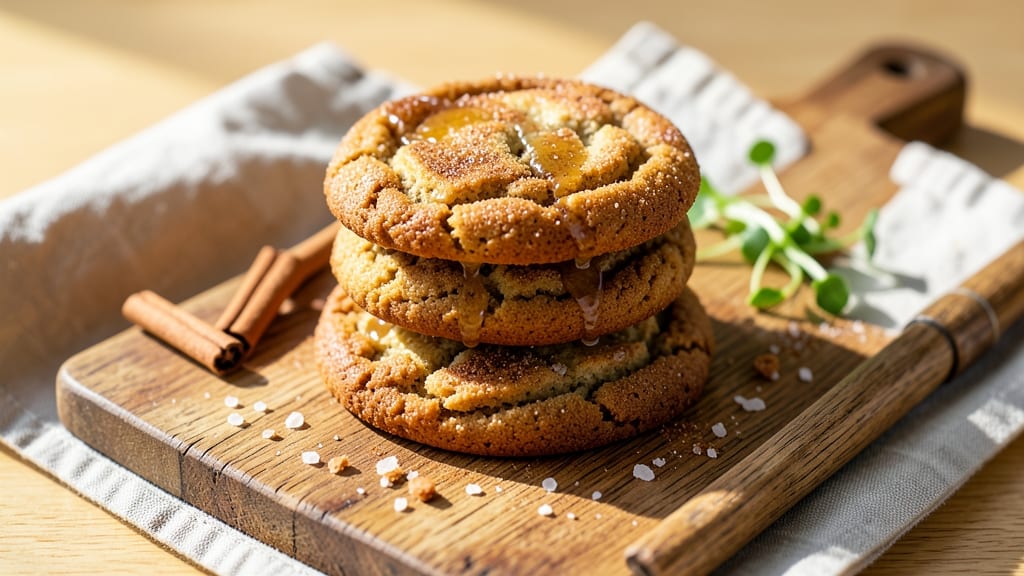
This chewy snickerdoodle cookie recipe delivers the perfect balance of warm cinnamon-spiced crunch and tender centers without relying on cream of tartar. The secret lies in a simple substitution that creates that signature tang—baking soda and lemon juice—while maintaining the classic snickerdoodle flavor profile.
I've perfected this technique over years of baking, ensuring every batch turns out with that irresistible chewy texture and caramelized edges.
The recipe combines classic cookie ingredients with a cinnamon-sugar coating that forms a fragrant, crispy exterior while keeping the centers soft and pillowy. Unlike traditional snickerdoodles, this version skips the cream of tartar entirely, using a proven alternative that still delivers that signature tang and chewiness.
The dough comes together in just 10 minutes, with minimal mixing to preserve the texture you're after.
What you'll end up with is a batch of cookies that smell like a cozy autumn afternoon—warm cinnamon, buttery richness, and just the right amount of sweetness. The edges develop a beautiful caramelized crust while maintaining that signature chewy texture throughout.
These cookies stay fresh for days, making them perfect for baking ahead or sharing with neighbors.
Serve them warm with a glass of milk for the ultimate comfort treat, or save them for holiday gatherings where they always disappear quickly. The substitution method works perfectly, so you won't sacrifice flavor or texture for convenience. Let's get baking!
Ingredients for chewy snickerdoodle cookie recipe without cream of tartar
Twelve ingredients transform into 24 chewy snickerdoodles with that signature tang and caramelized edges—no cream of tartar needed.
| Ingredient | Amount | Notes |
|---|---|---|
| Unsalted Butter 🧈 | 1 cup | Cold, cubed for even baking |
| Granulated Sugar 🍚 | 1 ½ cups | White or light brown |
| Packed Brown Sugar 🍚 | ½ cup | Light or dark preferred |
| Large Eggs 🥚 | 2 whole | Room temperature for mixing |
| All-Purpose Flour 🌾 | 3 ½ cups | Spooning and leveling method |
| Baking Soda 🧂 | ½ tsp | Freshly opened for potency |
| Ground Cinnamon 🌿 | 2 tbsp | Pure Ceylon preferred |
| Ground Cloves 🌶️ | ½ tsp | Freshly ground for intensity |
| Salt 🧂 | ½ tsp | Diamond Crystal kosher |
| Fresh Lemon Juice 🍋 | 1 tbsp | From 1 small lemon |
| Granulated Sugar 🍚 | ½ cup | For cinnamon-sugar coating |
| Ground Cinnamon 🌿 | 2 tbsp | For cinnamon-sugar coating |
The butter makes all the difference here. European-style unsalted butter like Plugrá or Land O'Lakes gives the best flavor, but any good-quality brand works. Keep it cold—cold butter creates flaky layers and prevents overmixing. For the cinnamon, Ceylon cinnamon has a sweeter, less bitter profile, but regular ground cinnamon works too. The ground cloves are non-negotiable—they add that warm, aromatic depth that sets snickerdoodles apart. I always grab mine from Penzeys Spices when I'm stocking up, but the regular grocery store stuff is fine for occasional baking.
No cream of tartar? No problem. The baking soda plus lemon juice combo delivers that signature tang without the metallic aftertaste. Fresh lemon juice is key here—bottled won't cut it. Short on brown sugar? Substitute white sugar plus 1 tsp molasses for that caramel flavor. For the cinnamon-sugar coating, I like to mix it in a small bowl with a fork—it's less messy than shaking in a bag. The dough should be soft but not sticky; if it's too dry, add 1 tsp milk. If it's too sticky, chill it for 30 minutes before scooping. And trust me on the room-temperature eggs—they mix in so much better.
These cookies stay fresh for 5-6 days in an airtight container at room temperature, but they're best within 2 days for maximum chewiness. For longer storage, freeze the dough balls on a tray first, then transfer to a bag—bake straight from frozen, adding 1-2 minutes. The secret to crispy edges? Bake one sheet at a time on the middle rack. And if you're making them ahead for a party, bake them 2 days in advance—they actually get better as the flavors meld. Warm cookies with milk? Absolute perfection.
Why You'll Love This Recipe
- No Cream, No Problem: I swear by this hack—just swap in a little vinegar for that tangy kick, and you get the same snickerdoodle magic without hunting for cream of tartar. The dough comes together in minutes with butter, sugars, and flour, and those warm cinnamon-sugar whirls? Still irresistible.
- Butter So Rich: That perfect balance of melted butter and brown sugar makes these cookies dangerously chewy—like a hug in bite form. Honestly, I’ve tried lighter recipes, but these? They’re the kind that disappear in one sitting.
- Party Ready: These bake up fast enough to pull together last-minute for gatherings, and the scent? Instant crowd-pleaser. (Yes, even on a Tuesday night.) Pack them in jars for teacher gifts or holiday treats—they’re always a hit.
- Leftovers? More Like Leftovers: One batch lasts my family three days—if we’re lucky. They’re sturdy enough to freeze, so I double the recipe and stash half for lazy mornings. Budget-friendly, foolproof, and always worth it.
Step-by-step instructions for chewy snickerdoodle cookies
Here's the secret to perfect snickerdoodles without cream of tartar—rich, chewy centers and a warm cinnamon-spiced crust every time.
Cream Butter and Sugars for Maximum Flavor
In a stand mixer fitted with the paddle attachment, beat the 1 cup unsalted butter (cold, cubed) with 1.5 cups granulated sugar and 0.5 cup packed brown sugar on medium speed for 3-4 minutes. You're looking for a light, fluffy mixture that nearly doubles in volume and becomes pale in color. This creaming process incorporates air, which creates those signature crackly tops and ensures a tender crumb.
I like to scrape down the sides of the bowl with a silicone spatula about halfway through to ensure even mixing. The butter should be fully incorporated but still hold its shape when pressed—the cold cubes will melt into a smooth, creamy texture as you mix. This step is where the foundation of your cookies' texture is built, so don't rush it.
Add Eggs and Lemon Juice for Moisture
Add the 2 whole large eggs (room temperature) one at a time, mixing on low speed for 30 seconds after each addition until fully incorporated. Then add the 1 tablespoon fresh lemon juice and mix for another 10 seconds. The lemon juice brightens the flavor and helps balance the sweetness, giving these cookies a subtle tang that makes them stand out.
Here's the thing—room temperature eggs blend more smoothly and create a lighter dough. If your eggs are straight from the fridge, let them sit in warm water for 5 minutes first. The mixture might look slightly curdled after adding the eggs, but that's normal. Once you add the dry ingredients, everything will come together perfectly.
Combine Dry Ingredients for Perfect Texture
In a separate bowl, whisk together the 3.5 cups all-purpose flour, 0.5 teaspoon baking soda, 0.5 teaspoon salt, 2 tablespoons ground cinnamon, and 0.5 teaspoon ground cloves. Sift the mixture once to aerate the flour—this helps create a lighter cookie. Gradually add the dry ingredients to the wet mixture on low speed, mixing just until combined. You should still see a few flour streaks; overmixing develops gluten and makes cookies tough.
I press down gently on the dough with a silicone spatula to ensure all the flour is fully incorporated. The dough should be soft and slightly sticky but not wet. If it feels too dry, add 1 teaspoon milk (not in the ingredients list, but this is a common troubleshooting step). The key is to handle the dough as little as possible—just enough to combine it evenly.
Chill the Dough for Better Shape and Flavor
Cover the dough bowl with plastic wrap and refrigerate for at least 1 hour (I prefer 2 hours or even overnight). Chilling solidifies the butter, which prevents the cookies from spreading too thin in the oven. It also allows the flour to fully hydrate, creating a better texture. This step is non-negotiable—skipping it leads to flat, cakey cookies instead of the chewy, pillowy ones you want.
While the dough chills, prepare your cinnamon-sugar coating by mixing 0.5 cup granulated sugar and 2 tablespoons ground cinnamon in a small bowl. The spices should be evenly distributed, with no clumps of cinnamon. This coating is what gives snickerdoodles their iconic flavor and appearance, so don't skip it. Store the coating in an airtight container until ready to use.
Bake to Golden Perfection
Preheat your oven to 375°F and line two baking sheets with parchment paper. Scoop the chilled dough into 2-tablespoon portions (I use a cookie scoop for uniform size) and roll each portion between your palms into a ball. Roll each ball in the cinnamon-sugar mixture until fully coated, pressing gently to adhere. Place the coated dough balls 3 inches apart on the prepared sheets.
Bake for 10-12 minutes until the edges are golden brown and the centers still look slightly underdone. They'll continue cooking on the hot pan after you remove them from the oven. Let them cool on the baking sheet for 5 minutes before transferring to a wire rack. The cookies should be soft in the center with a crispy, spiced exterior. Enjoy them warm for the ultimate experience—this is when they're at their chewiest and most aromatic!
Pro Tips For Making Chewy Snickerdoodle Cookie Recipe Without Cream Of Tartar
- Chill the Dough: I learned this the hard way—skipping the 30-minute rest in the fridge makes for flat, sad cookies. Even if you're impatient, let it sit. The gluten relaxes, and you’ll get that perfect chewy center every time.
- Use Cold Butter: Cut that butter into tiny cubes and let it sit in the freezer for 10 minutes before mixing. Warm butter = spread-out cookies. Cold butter = thick, chewy cookies that hold their shape. Trust the process—your future self will thank you.
- Measure Brown Sugar Right: Pack that brown sugar firmly into the measuring cup—no scooping and leveling. Too little moisture = dry cookies. Too much = gummy mess. A damp spoon helps press it down evenly. Sounds weird, but it works.
- Bake One Sheet at a Time: Crowding the oven slows heat circulation, leading to uneven baking. Use one sheet at 375°F for 10–12 minutes, then rotate halfway. The edges will brown first—watch them closely. Rushing leads to burnt edges and underbaked centers.
Essential equipment for great chewy snickerdoodle cookie recipe without cream of tartar
Stand Mixer Essentials
Your stand mixer is the workhorse for this recipe. I use my KitchenAid Artisan Series with the paddle attachment for creaming butter and sugars—it distributes heat evenly and prevents overheating. The dough hook comes in handy later if you're making a larger batch.
For budget-friendly options, the Hamilton Beach 6-Speed Mixer works well for basic mixing tasks. Always use the medium speed for creaming to incorporate air without developing gluten. 💫
Precision Measuring Tools
Accurate measurements make all the difference with cookies. Invest in a stainless steel measuring cups set (like OXO Good Grips) for dry ingredients and a digital kitchen scale for butter—it's more precise than volume measurements.
The 1/4 teaspoon measuring spoon is critical for spices like cloves and baking soda. I keep my tools in a magnetic knife strip on the wall for easy access while baking.
Cookie Scoop Matters
A 2-tablespoon ice cream scoop (like OXO Good Grips) ensures uniform cookie size, which means even baking. I've tried the cheap plastic ones, but they don't last—worth upgrading to stainless steel. For extra precision, chill your scoop in the freezer for 10 minutes before using.
The dough should hold its shape when scooped, making rolling and coating easier. Pro tip: Dip your scoop in flour before each use to prevent sticking. 🧈
Baking Sheets & Parchment
Use heavy-duty baking sheets (like Nordic Ware Natural Aluminum) to prevent warping at high heat. Line them with silicone baking mats or parchment paper—I prefer mats because they're reusable and create crispier edges.
Preheat your sheets in the oven for 5 minutes before baking to ensure even heat distribution. Never stack cookies—bake one sheet at a time for perfect results.
Spice Grinders & Storage
Freshly ground spices elevate these cookies. A mini spice grinder (like Spice Grinder by Magic Bullet) keeps cinnamon and cloves potent. Store your spices in airtight containers away from light and heat—they lose flavor quickly.
For the cinnamon-sugar coating, I use a small glass mixing bowl> with a fork to avoid clumps. Keep your coating in a small jar> with a tight lid until ready to use.
Temperature Tools
A digital oven thermometer (like Thermoworks Oven Thermometer) ensures your oven maintains 375°F accurately—many home ovens run hot or cold. I also recommend a candy thermometer if you're testing dough consistency.
For dough chilling, use a large plastic wrap sheet> to cover dough bowls completely—this prevents drying. A timer> (even your phone works) reminds you when cookies are done.
Nutrition facts
Frequently asked questions
Why does this recipe use lemon juice instead of cream of tartar?
The lemon juice and baking soda combination creates that signature tang without the metallic aftertaste of cream of tartar. The acidity helps activate the baking soda for lift while adding brightness to the cinnamon flavor. Fresh lemon juice works best—bottled won't provide the same zing!
Can I make these cookies without a stand mixer?
Use a hand mixer or even a sturdy wooden spoon. Cream the butter and sugars by hand for 5-7 minutes until light and fluffy. The key is patience—keep scraping down the bowl to ensure even mixing. For the dough, mix by hand until just combined, then chill before scooping.
How do I know when the cookies are done baking?
Look for edges that are golden brown while the centers still appear slightly underdone. They'll continue setting on the hot pan after removal. A toothpick inserted should come out with a few moist crumbs, not wet batter. Overbaking makes them crispy instead of chewy!
Can I substitute brown sugar with white sugar?
Yes, but add 1 teaspoon molasses per ½ cup white sugar to replicate the caramel flavor. Brown sugar's moisture also contributes to chewiness, so if using all white sugar, expect slightly drier cookies. For best results, use ½ cup brown sugar + 1 cup white sugar as written.
Why do my snickerdoodles spread too much?
Overmixing develops gluten, causing spreading. Chill the dough for 2+ hours to firm up butter, preventing excessive spreading. Also ensure your oven is properly calibrated—many home ovens run hot. Use a digital thermometer to confirm 375°F accuracy.