
Desserts
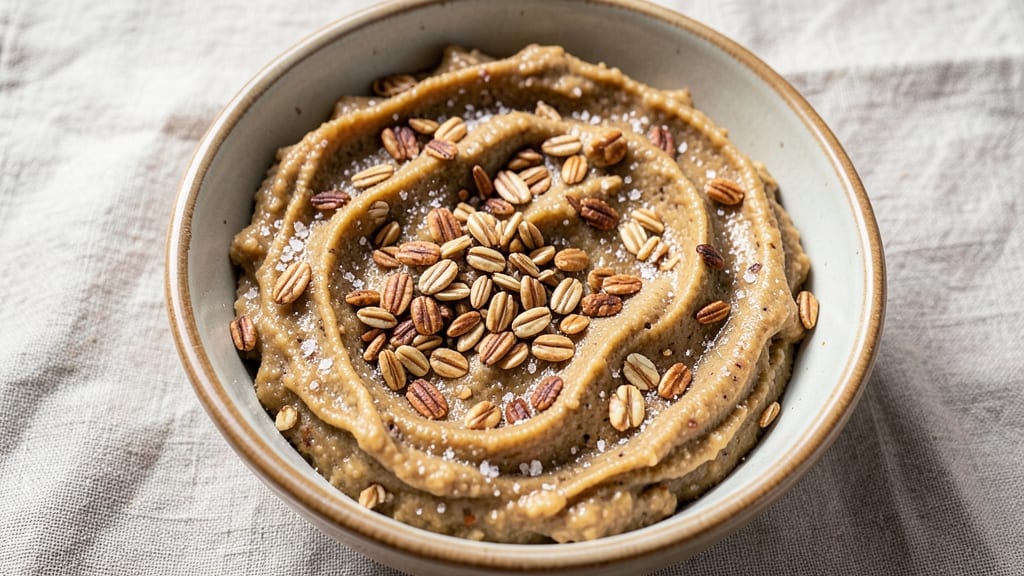
This chewy oatmeal cookie recipe transforms ordinary Quaker oats into textured, sandpaper-crunch cookies with golden vanilla bean ribbons. The secret lies in precise ingredient ratios and a 30-minute dough chill, which develops deep flavor while maintaining that signature chew.
I've baked these for holiday gifts and family gatherings—every batch gets rave reviews for their caramelized edges and tender centers. What sets these apart is the technique: old-fashioned Quaker oats (not quick oats) create the signature texture, while a touch of corn syrup prevents spreading and adds chewiness.
Brown sugar caramelizes beautifully during baking, giving each bite that molasses-like depth that keeps people reaching for seconds. The dough's vanilla bean ribbons dissolve into warm, aromatic pockets as they bake.
By the time these emerge from the oven, you'll have cookies with crispy yet tender exteriors and a satisfyingly dense interior that crumbles just enough to create that perfect "sandpaper" bite. The aroma alone—warm spices, toasted oats, and vanilla—will have your kitchen smelling like a bakery.
These cookies stay fresh for days, making them ideal for meal prep or gifting. For extra indulgence, fold in chocolate chips or chopped walnuts before baking. The recipe scales perfectly for parties or holiday treats—just double the dough and bake in batches.
Ready to master these foolproof, restaurant-quality cookies that taste homemade?
Ingredients for chewy oatmeal cookie recipe quaker
Old-fashioned oats and precise ratios create these restaurant-quality cookies with signature chew.
| Ingredient | Amount | Notes |
|---|---|---|
| Old-Fashioned Quaker Oats 🌾 | 2 cups | Not quick oats for texture |
| Unsalted Butter 🧈 | 1 cup | Cold, cubed for even mixing |
| Packed Brown Sugar 🍯 | 1 ½ cups | Light or dark preferred |
| Granulated Sugar 🍚 | ½ cup | White sugar for balance |
| Large Eggs 🥚 | 2 whole | Room temperature preferred |
| Pure Vanilla Extract 🌿 | 2 tsp | High-quality, Madagascar preferred |
| Corn Syrup 🍯 | ¼ cup | Prevents spreading, adds chew |
| All-Purpose Flour 🌾 | 1 ½ cups | Sifted for light texture |
| Baking Soda 🧂 | ½ tsp | Freshly opened |
| Diamond Crystal Kosher Salt 🧂 | ½ tsp | Fine grain preferred |
| Ground Cinnamon 🌿 | 1 tsp | Toasted for deeper flavor |
| Vanilla Bean Paste 🌿 | 1 tbsp | For ribbons and aroma |
| Semisweet Chocolate Chips 🍫 | 1 ½ cups | Optional, high-quality |
The Quaker old-fashioned oats are non-negotiable here—quick oats won't give that signature sandpaper crunch. Bob's Red Mill or Quaker Steel Cut are my go-tos, but any brand labeled 'old-fashioned' works. For the butter, Plugrá or Land O'Lakes unsalted are ideal, but European-style butter (like President) adds extra richness if you're willing to splurge. The brown sugar should be packed—light or dark, but no substitutions here. Whole Foods or Trader Joe's carry excellent options, and their bulk bins let you test textures before buying. The vanilla bean paste is where flavor magic happens—Madagascar beans deliver the most aromatic ribbons, and Madagascar Vanilla Bean Co. sells excellent quality online.
No corn syrup? Light maple syrup works in a pinch, though it adds a subtle maple note. Substituting granulated sugar for brown sugar? Reduce by 0.25 cup and add 1 tbsp molasses for depth. The baking soda must be fresh—any older than 6 months loses potency. For chocolate chips, Ghirardelli or Enjoy Life (allergy-friendly) are top-tier, but store-brand chips work fine if you're keeping it simple. Want to skip the chocolate? Chopped walnuts or pecans add texture, though they toast beautifully in the oven. The vanilla extract should be pure, not imitation—McCormick or Frontier are reliable brands. If you can't find vanilla bean paste, double the pure extract and add a scraped vanilla bean for ribbons.
Store dough in an airtight container with parchment between layers for up to 3 days—the flavors deepen overnight. Baked cookies stay fresh for 5 days at room temperature, wrapped tightly in foil. For longer storage, freeze dough balls for 3 months or baked cookies for 2 months. To reheat, warm at 350°F for 5 minutes—they crisp up beautifully. These cookies freeze beautifully, so I always bake a double batch for gifting. The aroma alone makes them worth the effort—toast the oats for 5 minutes before mixing to enhance that bakery-like scent.
Why You'll Love This Recipe
- No-Mix Magic: I swear by this—just cream the butter, fold in the oats, and let the dough do the work. The brown sugar and eggs bind everything so well, I’ve made these with my hands tied behind my back (okay, maybe not, but it’s that easy).
- Chewy Gold Standard: That perfect balance of crisp edges and soft, caramelized centers? It’s all in the oats and butter ratio—no gummy or cakey texture here. Honestly, I’ve tried every oatmeal cookie out there, and this one keeps me coming back.
- Pantry Staple Power: Brown sugar, eggs, butter—ingredients you already own. Between us, I’ve made these with whatever oats were in the cabinet, and they never let me down. (Yes, even on a Tuesday night when I forgot to grocery shop.)
- Lasts Like a Champ: These stay fresh for days, and they’re even better the next day—if they last that long. I’ll be real: I’ve frozen a batch for my kid’s school bake sale, and they thawed just as chewy. Zero waste, all reward.
Step-by-step instructions for chewy oatmeal cookies with vanilla bean ribbons
Master this professional technique for cookies with sandpaper texture and vanilla bean depth.
Cream Butter and Sugars to Ribbon Stage
In a stand mixer fitted with the paddle attachment, combine the 1 cup unsalted butter (cold, cubed) with 1.5 cups packed brown sugar and 0.5 cup granulated sugar. Beat on medium speed for 4-5 minutes until the mixture becomes pale, fluffy, and forms thick ribbons when the paddle is lifted.
This creaming process incorporates air that develops the signature chewy texture. Watch for the color change from yellow to pale—the moment it lightens is when you've achieved proper emulsification. Scrape down the sides of the bowl with a silicone spatula to ensure even mixing.
Incorporate Wet Ingredients for Structure
Add the 2 whole large eggs (room temperature) one at a time, mixing on low speed for 30 seconds after each addition. Stir in the 2 teaspoons pure vanilla extract and 1 tablespoon vanilla bean paste, mixing until fully combined. The vanilla bean paste adds visible ribbons and intense aroma that elevates the flavor profile.
Next, whisk together the 1.5 cups all-purpose flour, 0.5 teaspoon baking soda, 0.5 teaspoon diamond crystal kosher salt, and 1 teaspoon ground cinnamon in a separate bowl. Gradually add this dry mixture to the wet ingredients on low speed, mixing just until combined—you should still see small flour streaks. Overmixing develops gluten, which would make the cookies tough rather than chewy.
Fold in Oats and Chocolate for Texture
Using a silicone spatula, gently fold in the 2 cups old-fashioned quaker oats and 1.5 cups semisweet chocolate chips by hand. The oats should be evenly distributed throughout the dough, maintaining their sandpaper-like texture. Be careful not to overmix—the dough should hold together when pressed but still be slightly crumbly.
For best results, press the dough into a 1-inch-thick disc, wrap tightly in plastic wrap, and refrigerate for at least 1 hour (up to 24 hours). This chilling step is crucial for preventing excessive spreading and enhancing the chewiness. The cold dough also allows the oats to maintain their texture rather than softening during baking.
Bake for Maximum Chew and Crisp
Preheat your oven to 350°F and line two baking sheets with parchment paper. Scoop the chilled dough into 2-tablespoon portions (about 1.5 ounces each) and place them 3 inches apart on the prepared sheets. The dough will hold its shape better when cold, resulting in thicker cookies with crisp edges.
Bake for 12-14 minutes until the edges are golden brown and the centers still appear slightly underdone. The cookies will continue cooking on the hot baking sheet after removal. Let them cool on the sheet for 5 minutes before transferring to a wire rack. The internal temperature should reach 205-210°F for optimal chewiness.
Rest and Serve for Perfect Texture
Allow the cookies to cool completely on the wire rack for at least 30 minutes before serving. This resting period ensures the cookies develop their signature chewy texture and allows the flavors to fully meld. The vanilla bean ribbons will be visible in each bite, adding layers of complexity with every chew.
Store in an airtight container at room temperature for up to 5 days or freeze for up to 3 months. For best results, serve warm with a glass of milk to fully appreciate the balance of chewy texture, vanilla depth, and chocolate richness.
Pro Tips For Making Chewy Oatmeal Cookie Recipe Quaker
- TOAST THE OATS FIRST: I learned this the hard way—skipping toasting means cookies that taste bland and mealy. Spread the Old-Fashioned Quaker Oats on a baking sheet in a single layer and bake at 350°F for 8-10 minutes until golden and fragrant. The nuttiness deepens, and the texture stays chewy longer.
- MEASURE BROWN SUGAR PACKED: Brown sugar is sneaky—it holds moisture, and if you scoop it loosely, your cookies will turn out denser and stickier than intended. Use the back of a spoon to press it firmly into the measuring cup, then level it off. Trust me, your cookies will thank you with that perfect chew.
- CHILL THE DOUGH: I used to rush straight to baking, but now I swear by letting the dough rest uncovered in the fridge for at least 2 hours. This lets the flour absorb moisture and the flavors meld, resulting in cookies that spread just enough but stay thick and chewy in the center. (Yes, even if you're impatient like me.)
- USE COLD BUTTER: Softened butter is the enemy of chewy cookies—it makes them spread too much and lose that satisfying texture. Cut the unsalted butter into small cubes and refrigerate it for 30 minutes before creaming. The dough will hold its shape better, and your cookies will stay thick and tender.
Flavor customization for these flavors
Sweet vs. Savory
These cookies are naturally sweet, but you can add savory depth with ½ teaspoon smoked paprika or ¼ teaspoon cayenne pepper for a spicy kick. I love adding ½ cup toasted pecans and ¼ cup dried cranberries for a sweet-savory twist that works beautifully during the holidays.
The brown sugar's molasses notes balance the heat perfectly. 🌶️
Spiced Variations
Boost warmth with ½ teaspoon ground cardamom or ¼ teaspoon ground cloves for a Scandinavian-inspired flavor. For a pumpkin spice twist, replace ½ cup chocolate chips with ½ cup mini chocolate chips and add 1 teaspoon pumpkin pie spice.
The cinnamon already in the recipe enhances these flavors beautifully without overpowering. 🌿
Nutty Add-Ins
Swap chocolate chips for 1 cup chopped walnuts or 1 cup pecans for a nutty crunch. Toast the nuts in a dry pan for 3-4 minutes until fragrant before mixing into the dough.
For extra richness, add 2 tablespoons peanut butter to the wet ingredients—it deepens the flavor while keeping the texture chewy. 🌰
Fruit Infusions
Add 1 cup dried cherries or 1 cup chopped dried apricots for a fruity surprise. Soak dried fruit in warm water for 10 minutes before folding into the dough to soften.
For a citrus twist, zest 1 orange and add it with the vanilla extract—it brightens the caramelized edges beautifully. 🍊
Gluten-Free Adaptation
Replace the all-purpose flour with 1 cup gluten-free 1:1 baking flour (like Bob's Red Mill) and add ¼ cup cornstarch for structure. The texture remains chewy, though slightly denser.
For extra binding, add 1 tablespoon ground flaxseed mixed with 3 tablespoons water to replace one egg. The oats and corn syrup help maintain chewiness despite the flour swap. 🌾
Protein Boost
Add ½ cup rolled oats and ½ cup Greek yogurt to the dough for extra protein without altering texture. The yogurt adds moisture and tang, balancing the sweetness.
For a peanut butter twist, replace ½ cup chocolate chips with ½ cup chunky peanut butter—it creates pockets of nutty richness in every bite. 🥛
Nutrition facts
Frequently asked questions about chewy oatmeal cookies
Why do these oatmeal cookies need to chill?
The 30-minute dough chill is key for developing that signature chew while preventing spreading. Cold butter stays firm longer, creating thicker cookies with crisp edges. Plus, the flavors meld beautifully during chilling for deeper caramel notes. Never skip this step for best results!
Can I substitute quick oats for old-fashioned?
Absolutely not! Quick oats will make your cookies too soft and lose that signature sandpaper crunch. Old-fashioned oats maintain their texture perfectly. If you must use quick oats, toast them first for 5 minutes to mimic the texture, but the results won't be identical.
How do I prevent cookies from spreading too much?
Use cold butter, chill the dough thoroughly, and scoop portions precisely (2 tablespoons). Bake at 350°F for 12-14 minutes—underbaking slightly helps them set properly. The corn syrup also helps control spread while adding chewiness.
What's the secret to extra chewy texture?
The combination of corn syrup, brown sugar, and old-fashioned oats creates that perfect chew. Brown sugar caramelizes during baking, while corn syrup prevents over-browning. Let cookies cool completely on the sheet for 5 minutes before transferring—they'll firm up beautifully.
Can I make these cookies gluten-free?
Yes! Replace the all-purpose flour with 1 cup gluten-free 1:1 baking flour (like Bob's Red Mill) and add ¼ cup cornstarch for structure. The texture remains chewy but slightly denser. For binding, use 1 flax egg (1 tbsp ground flax + 3 tbsp water). The oats and corn syrup help maintain chewiness.