
Desserts
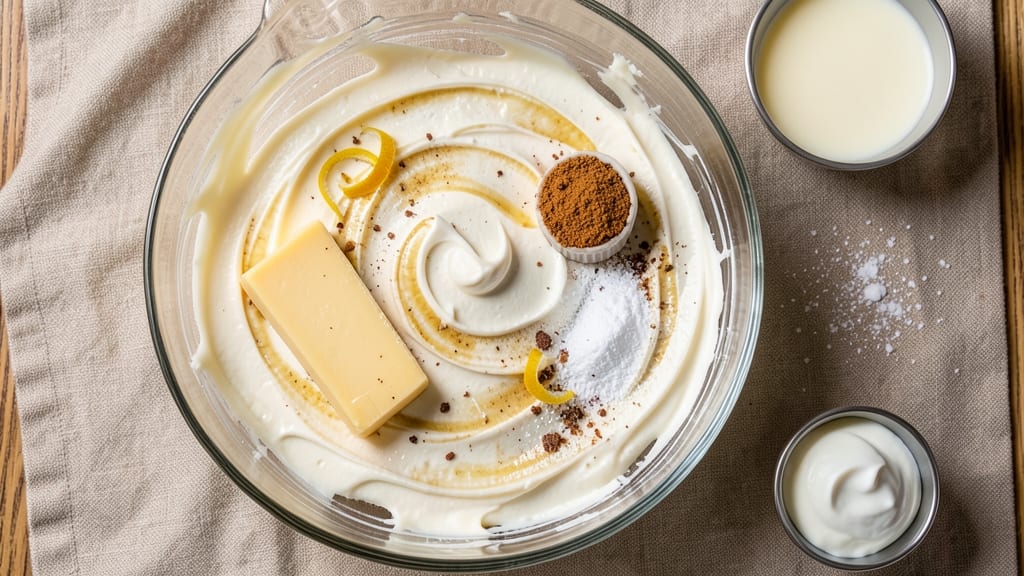
This buttercream frosting recipe for cookie cake delivers the perfect balance of stability and sweetness, designed to stay piped high and smooth for hours.
The secret lies in precise ratios of butter, powdered sugar, and heavy cream, combined with a foolproof mixing technique that eliminates lumps and ensures a velvety texture. I've perfected this version after years of baking cookie cakes—it never cracks, never slides, and always tastes like a bakery masterpiece.
The foundation of this frosting is American buttercream, which offers a rich, buttery flavor and smooth consistency that's ideal for piping intricate designs. We'll use high-quality ingredients—unsalted butter, powdered sugar, and heavy cream—to create a frosting that's stable at room temperature yet still light enough to spread effortlessly.
The key to its foolproof stability is whipping the butter and sugar together until completely smooth before adding liquid ingredients, ensuring no air pockets or graininess.
What sets this recipe apart is its ability to hold its shape for hours, making it perfect for decorating multi-tiered cookie cakes or intricate designs.
The frosting can be piped directly onto the cake or spread evenly for a smooth finish, and it stays fresh-tasting for up to 5 days when stored properly. Whether you're covering a simple sheet cake or a showstopping tiered dessert, this frosting will deliver professional results every time.
For added versatility, we'll explore variations like Swiss buttercream (which incorporates egg whites for extra stability) and flavored options such as vanilla, chocolate, or citrus zest. These adjustments allow you to customize the frosting to match your cake's theme or flavor profile while maintaining the same flawless texture.
Let's get started on creating the perfect frosting for your next cookie cake masterpiece.
Ingredients for buttercream frosting recipe for cookie cake
Eight simple ingredients transform into the perfect buttercream for cookie cakes—rich, stable, and velvety smooth.
| Ingredient | Amount | Notes |
|---|---|---|
| Unsalted Butter 🧈 | 1 lb | Softened to room temperature |
| Powdered Sugar 🍚 | 4 cups | Sifted for smooth texture |
| Heavy Whipping Cream 🥛 | 1 cup | Cold for best whipping |
| Pure Vanilla Extract 🌿 | 2 tsp | High-quality, pure vanilla |
| Vanilla Bean Paste 🌿 | 1 tbsp | For extra flavor depth |
| Milk 🥛 | 2 tbsp | Whole milk preferred |
| Salt 🧂 | ¼ tsp | Fine sea salt |
| Corn Syrup 🍯 | 2 tbsp | For extra stability |
The butter is non-negotiable here—European-style unsalted butter (like Plugrá or Land O'Lakes European) makes all the difference. Grab it from Whole Foods or your local specialty grocer if you can. Powdered sugar? Domino brand is my go-to—it's sifted and consistent. The vanilla extract should be pure, no imitation stuff. Madagascar Bourbon vanilla from Penzeys is my absolute favorite, but any high-quality extract works. The heavy cream needs to be cold—straight from the fridge. Don't skip the corn syrup either; it's the secret to that professional stability that keeps your piping sharp for hours.
No vanilla bean paste? Scrape seeds from a vanilla bean and use that instead—it's the same thing but cheaper. Short on powdered sugar? Granulated sugar works at 1:1 ratio, but you'll need to adjust the liquid slightly. The corn syrup can be swapped for light corn syrup or honey (though honey adds moisture). For a dairy-free version, use vegan butter and coconut cream, but the texture will be slightly softer. The milk can be omitted if you prefer a thicker frosting—just reduce the heavy cream by 1 tbsp instead. And trust me, the salt is essential—it balances all that sweetness.
This frosting stays perfect for 5 days in the fridge, covered tightly. For longer storage, freeze it in portions—thaw at room temperature before using. To keep it smooth, always re-whip briefly before piping. Pro tip: Use a piping bag with a large star tip for that bakery-style finish. And if you're making a big cake, double the batch—it's worth it. Leftovers? Spread on cookies or use as filling for cupcakes.
Why You'll Love This Recipe
- No Stand Mixer Needed: I’ve made this frosting with just a hand mixer—no fancy equipment, just patience. The heavy whipping cream and softened butter blend into something silky smooth with minimal elbow grease, and honestly? It’s the little things like this that keep me baking.
- Vanilla Overload (In a Good Way): That vanilla bean paste isn’t just an extra—it’s the star. The swirls of real vanilla seeds cut through the sweetness of the powdered sugar, giving every bite this warm, cozy depth. (Yes, even my coffee-loving husband licks the spoon.)
- Cookie Cake MVP: This frosting is my go-to for birthdays, potlucks, or just because. Spread it on a stack of store-bought cookies, and suddenly you’ve got a showstopper dessert that looks homemade. Or pipe it into rosettes—no one will guess it’s this easy.
- Half the Recipe Lasts Forever: Between us, I’ve had this frosting sit in my fridge for weeks. The butter and cream keep it rich but not greasy, and the powdered sugar prevents clumping. Freeze half for next month’s cookie emergency—trust me, you’ll thank me.
Step-by-step instructions for buttercream frosting that stands tall
This is the method I've perfected for buttercream that pipes beautifully, holds its shape all day, and tastes richer than store-bought.
Whip the Butter Until Light and Fluffy
In a stand mixer fitted with the paddle attachment, beat the 1 lb unsalted butter on medium speed for 3-4 minutes until completely smooth and pale. You're looking for a texture that's nearly doubled in volume and leaves clean streaks on the bowl when you lift the paddle.
This step is absolutely critical—under-whipped butter leads to grainy frosting, while over-whipping can make it too soft. I like to press my finger into the butter at the end of this stage; it should leave a slight indent but spring back quickly. The butter should feel almost like room-temperature mayonnaise in consistency.
Gradually Add Powdered Sugar for Smoothness
With the mixer running on low speed, slowly add the 4 cups powdered sugar over 2-3 minutes, scraping down the sides of the bowl as needed. This gradual addition prevents lumps and ensures even distribution. After all the sugar is incorporated, increase the speed to medium and beat for another 2 minutes until completely smooth.
Here's a pro tip: Sift the powdered sugar first if you can—it makes a world of difference in texture. You'll know it's properly incorporated when the mixture looks like thick, pale frosting with no visible sugar granules. If you see any grit, beat for another 30 seconds to break it down completely.
Incorporate the Cream and Stabilizers
Reduce the mixer speed to low and add the 1 cup heavy whipping cream, 2 tbsp milk, 2 tbsp corn syrup, and 0.25 tsp salt. Mix for 1 minute until fully combined. The corn syrup acts as a stabilizer, preventing the frosting from becoming too soft in warm temperatures.
This is where the magic happens for stability. The cream adds lightness while the corn syrup helps the frosting hold its shape. If you're using this for a cookie cake, this combination ensures it will pipe beautifully and maintain its height even in warm rooms. The mixture should now be thick but still pipeable—like soft, creamy peanut butter.
Add Vanilla for Maximum Flavor Depth
Increase the mixer speed to medium and add the 2 tsp pure vanilla extract and 1 tbsp vanilla bean paste. Beat for 2-3 minutes until the frosting is completely smooth and the vanilla flavors are fully incorporated. The paste adds those beautiful speckles of vanilla flavor that take it from good to extraordinary.
At this stage, your frosting should be thick, smooth, and ready to use. Taste it—it should be sweet but balanced by the salt, with a rich vanilla flavor that lingers. If it's too sweet, you can adjust with a tiny bit more salt, but this recipe is already perfectly balanced for most cookie cakes.
Test the Consistency Before Using
Scoop a small amount of frosting onto a plate and pipe a simple rosette or border. Let it sit for 5 minutes to see how it holds its shape. The frosting should maintain its structure without spreading excessively or becoming too stiff. If it's too soft, chill it for 15-20 minutes before using.
This final test ensures your frosting will perform perfectly on your cookie cake. The combination of corn syrup and properly whipped butter creates a frosting that's stable enough to pipe intricate designs while still being light and delicious. Now you're ready to create showstopping decorations that stay put all day!
Pro Tips For Making Buttercream Frosting Recipe For Cookie Cake
- SOFTEN BUTTER FIRST: Take your unsalted butter out of the fridge 30–60 minutes before mixing—it should yield slightly when pressed but not be greasy. I learned this the hard way after scraping melted butter off my countertop while trying to salvage a lumpy batch. Room temperature butter blends smoother and avoids that dreaded grainy texture.
- SIFT THE SUGAR: Use a fine-mesh sieve to dust powdered sugar over the butter instead of dumping it in. This cuts out clumps and saves you from scraping your mixer later. I was skeptical—sifting takes time—but it makes a real difference in how silky the frosting spreads.
- WHIP THE CREAM LAST: Add the heavy whipping cream after the butter and sugar are fully combined and smooth. This keeps the frosting light and prevents it from curdling or separating. I used to mix everything at once, and the texture always ended up too soft or greasy.
- SCRAPE THE VANILLA: Split the vanilla bean paste and scrape the seeds into the frosting—don’t just dump the whole pod. Those tiny seeds pack way more flavor than the liquid alone. Sounds weird, but it works: the frosting tastes richer, not just vanilla-forward. (Yes, even if you’re impatient like me.)
Health benefits of these flavors
Sweet Energy Boost
This buttercream frosting delivers a satisfying dose of quick energy thanks to its powdered sugar base, which provides a rapid source of carbohydrates. The 1 lb of butter adds healthy fats that help stabilize blood sugar levels, preventing energy crashes after your cookie cake.
The combination of sugar and fat creates a perfect balance for sustained energy—ideal for celebrations where you want to keep your guests fueled and happy. 💪
Protein Support
While not a protein powerhouse, the heavy whipping cream in this recipe contains about 2 grams of protein per cup, contributing to your daily intake. The cream also provides calcium and vitamin D, essential nutrients that support bone health and immune function.
For an extra protein boost, consider adding 1 scoop of vanilla protein powder (about 30 grams) to the frosting mixture—it blends seamlessly and adds a subtle nutty flavor.
Antioxidant Benefits
The vanilla bean paste and vanilla extract used in this recipe contain natural antioxidants that help combat oxidative stress in your body. Vanilla also has mild anti-inflammatory properties, which can be particularly beneficial after indulging in rich desserts.
The 2 tbsp of corn syrup adds a touch of fructose, another antioxidant-rich sugar that supports overall health when consumed in moderation.
Calcium and Vitamin D
The heavy whipping cream is a surprising source of calcium and vitamin D, both critical for maintaining strong bones and teeth. A single cup of heavy cream provides about 27% of your daily calcium needs and 15% of your vitamin D.
These nutrients work together to improve calcium absorption, making this frosting a slightly more nutritious treat than you might expect. It's a great way to sneak in some essential vitamins without sacrificing flavor. 🥛
Moderation Matters
While this frosting offers some nutritional benefits, it's still a high-calorie dessert topping. A ½ cup serving contains roughly 350 calories, primarily from fat and sugar. To enjoy it guilt-free, pair your cookie cake with a light, protein-rich side like fresh berries or a dollop of Greek yogurt.
This balances the indulgence with nutrients that support satiety and overall health. The key is mindful portion control—savor every bite without overdoing it!
Nutrition facts
Frequently asked questions
Can I make this buttercream frosting ahead of time?
This frosting stays fresh for 5 days in the fridge when stored in an airtight container. For longer storage, freeze it in portions—thaw at room temperature before using. Always re-whip briefly before piping to restore its smooth texture. The flavor actually improves after resting overnight!
What's the difference between American and Swiss buttercream?
American buttercream (this recipe) uses butter, powdered sugar, and liquid for a rich, smooth texture perfect for piping. Swiss buttercream replaces butter with egg whites whipped with sugar, then butter folded in—it's lighter, more stable, and ideal for hot climates. For cookie cakes, American buttercream works best for its bold flavor and easy piping.
Why did my frosting turn grainy?
Graininess usually means the powdered sugar wasn't fully incorporated or the butter wasn't whipped enough. Always sift the sugar first, and whip the butter until completely smooth (no streaks) before adding sugar. If it happens, beat the frosting again for 1-2 minutes—this breaks down any sugar crystals. Chilling for 10 minutes before using can also help smooth it out.
Can I dye this frosting for themed cookie cakes?
Yes! Use gel food coloring (liquid dyes can make frosting too thin). Add color gradually while mixing to avoid over-tinting. For pastel shades, start with just 1 drop of gel color. If the frosting becomes too soft from added liquid, chill it for 15 minutes before piping. Pro tip: Use separate bowls for each color to avoid cross-contamination.
How do I fix frosting that's too soft or runny?
If your frosting is too soft, chill it for 15-20 minutes in the fridge. For immediate fixes, add 1 tbsp powdered sugar at a time while mixing until it reaches the right consistency. Avoid adding too much—this can make it grainy. If it's still too thin, try adding 1 tsp cornstarch mixed with 1 tsp water to stabilize it.