
Desserts
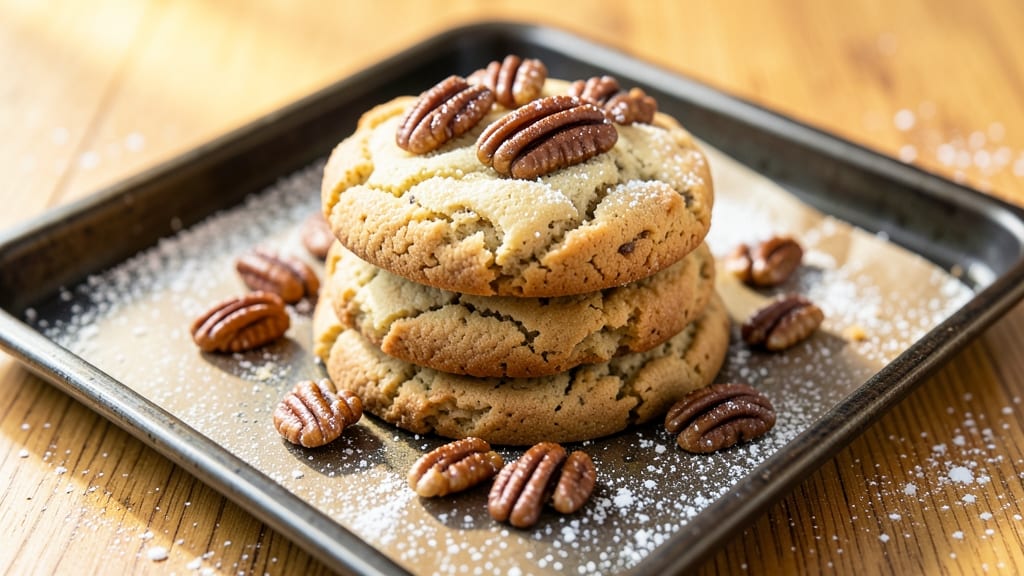
This butter pecan shortbread cookie recipe delivers the perfect balance of nutty richness and buttery crunch—every bite is a celebration of vanilla and toasted pecans.
The secret lies in a simple dough that transforms into delicate, melt-in-your-mouth cookies with crisp edges, all thanks to a foil-sealed baking trick that ensures foolproof results. I developed this recipe after years of perfecting shortbread, and the addition of pecans takes it to another level—sweet, crunchy, and irresistibly flavorful.
The magic happens in the dough, where cold butter and sugar create a tender yet sturdy base, while vanilla and pecans add depth. Baking at 350°F for 12–15 minutes with a foil seal ensures even cooking and that signature shortbread texture.
The foil removes at the perfect moment to achieve golden edges without overbrowning, a technique that’s simple but game-changing. This recipe is designed for beginners and experts alike—no fancy skills required, just patience and a few key steps.
What you’ll end up with is a batch of cookies that’s crisp around the edges yet tender inside, studded with toasted pecans and infused with warm vanilla. The aroma alone will fill your kitchen with comfort, and the texture—crunchy yet melt-in-your-mouth—makes these cookies impossible to resist.
These are the kind of treats that disappear fast, so make a double batch if you can. They’re perfect for holidays, gifts, or just satisfying a sweet tooth.
Store them in an airtight container at room temperature for up to a week, or refrigerate for longer shelf life. For extra indulgence, add chocolate chips or a sprinkle of flaky salt before baking. Let’s get baking—your kitchen will thank you.
Ingredients for butter pecan shortbread cookie
Nine ingredients, one game-changing technique—these cookies are pure buttery-pecan bliss.
| Ingredient | Amount | Notes |
|---|---|---|
| Unsalted Butter 🧈 | 1 cup | Cold and cubed for texture |
| Granulated Sugar 🍚 | ½ cup | Superfine preferred for smoothness |
| Powdered Sugar 🍚 | ¼ cup | For tender crumb texture |
| All-Purpose Flour 🌾 | 1 ½ cups | Sifted for lightness |
| Pure Vanilla Extract 🍯 | 1 tbsp | High-quality for true flavor |
| Toasted Pecans 🌰 | 1 cup | Chopped, skin-on for crunch |
| Kosher Salt 🧂 | ½ tsp | Fine grain preferred |
| Flaky Sea Salt 🧂 | 1 tsp | For finishing (optional) |
| Aluminum Foil 📄 | 1 sheet | For sealing during baking |
The butter is non-negotiable—European-style or Plugrá makes all the difference. Grab it from Whole Foods or the bakery section of your grocery store. Keep it cold until you're ready to mix, and leave those cubes in the dough for maximum texture. The pecans? Trader Joe's has the best toasted ones, but any skin-on pecans work if you toast them yourself (350°F for 8-10 minutes until fragrant). Pro tip: Toast them with a pinch of salt for extra flavor. The vanilla should be pure extract, not imitation—McCormick or Goya are reliable brands that won't break the bank.
No superfine sugar? Pulse regular granulated sugar in a food processor for 30 seconds—it'll work in a pinch. Running short on powdered sugar? Mix 3 parts granulated with 1 part cornstarch as a substitute. The foil trick is foolproof, but if you're nervous about overbrowning, reduce baking time by 1-2 minutes and check early. Want to skip the foil? Bake at 325°F instead of 350°F for 14-16 minutes, but you'll lose that perfect crisp edge. The flaky sea salt is optional but adds a magical contrast—Maldon is my go-to, but any flaky salt works.
These cookies keep for up to 2 weeks in an airtight container at room temperature, but honestly, they'll disappear faster than that. For extra indulgence, freeze the dough balls before baking—just add 2-3 minutes to baking time. The foil-sealed method means they reheat beautifully, though they're best fresh out of the oven. Double batch and freeze half—your future self will thank you. Store any leftovers in a parchment-lined container to prevent sticking, and let them cool completely before sealing.
Why You'll Love This Recipe
- No-Fuss Magic: This recipe lives in my "set it and forget it" folder. Cream butter and sugar, fold in flour, press into a pan—done. The dough comes together faster than I can put on a pot of coffee, and those buttery layers? They melt in your mouth without any fuss.
- Pecan Butter Bliss: Honestly, the flavor combo is chef’s kiss—rich, toasted pecans folded into that buttery shortbread base, with just a whisper of vanilla to tie it all together. It’s sweet enough to satisfy a dessert craving but not cloying, and the texture? Crisp edges, tender crumb—like biting into a cloud with crunchy bits.
- Holiday or Snack Attack: Between us, these are my go-to for Christmas gifts (they freeze beautifully) and my 3 p.m. sugar slump. Wrap a batch in parchment, tie with twine, and boom—elegant. Or just grab one straight from the jar when your kiddo’s friends show up. Works for every occasion without trying too hard.
- Leftovers? More Like Never: I’ve never had a jar last more than a day. The cookies keep for weeks in an airtight container, and if you freeze the dough, you’ve got a last-minute treat ready in minutes. Plus, the ingredients? Basic pantry staples—no specialty items, no markup. It’s the kind of recipe that makes you feel like you’re baking fancy stuff without spending fancy money.
Step-by-step instructions for butter pecan shortbread cookies
Here's how to create melt-in-your-mouth shortbread with that perfect nutty crunch and buttery richness.
Cream the Butter and Sugars Together
In a stand mixer fitted with the paddle attachment, combine the 1 cup unsalted butter (cold and cubed) with the 0.5 cup granulated sugar and 0.25 cup powdered sugar. Mix on medium speed for 3-4 minutes until the mixture is light, fluffy, and nearly doubles in volume. You'll see it go from pale to creamy with a ribbed texture—this is your signal that air has been incorporated perfectly.
Here's the thing—cold butter is key. If it's too soft, you'll end up with dense cookies instead of the tender, crumbly texture we're after. Scrape down the sides of the bowl with a spatula every minute to ensure even mixing. The powdered sugar helps create that signature shortbread tenderness, so don't skip it.
Mix in Dry Ingredients and Vanilla
Reduce the mixer speed to low and gradually add the 1.5 cups all-purpose flour and 0.5 teaspoon kosher salt. Mix just until combined—about 30-45 seconds. You should still see some flour streaks, which means you haven't overdeveloped the gluten. Overmixing makes shortbread tough instead of melt-in-your-mouth delicious.
Add the 1 tablespoon pure vanilla extract and mix for another 10 seconds until fully incorporated. The vanilla will deepen the flavor profile, giving you that classic butter pecan aroma. If you're using a high-quality vanilla, you'll notice an immediate difference in the richness of the dough.
Fold in Toasted Pecans
Remove the dough from the mixer and transfer it to a large mixing bowl. Using a silicone spatula, gently fold in the 1 cup toasted pecans (chopped, skin-on). Be careful not to overmix—just distribute the pecans evenly throughout the dough. The toasted pecans should be warm enough to release their aroma, filling your kitchen with that irresistible nutty scent.
At this stage, the dough will look shaggy and dry. That's normal! The butter content in shortbread is high, and it needs to come together when chilled. Press the dough into a disk, wrap it tightly in plastic wrap, and refrigerate for at least 1 hour (or up to 24 hours). This chilling step is crucial—it firms up the butter so the cookies hold their shape beautifully in the oven.
Shape and Bake with Foil Magic
Preheat your oven to 325°F and line a baking sheet with parchment paper. Cut the chilled dough into 1-inch thick slices using a sharp knife or pizza cutter. Place the slices on the prepared baking sheet, spacing them about 1 inch apart. They won't spread much, so you can get away with slightly closer spacing.
Here's where the foil comes in—this is the secret to perfect shortbread! Cut a piece of 1 sheet aluminum foil large enough to cover the baking sheet. Place the foil over the dough and press it gently to create a seal around the edges. Bake for 25-30 minutes until the edges are light golden brown and the centers feel firm to the touch.
Cool and Finish with Flaky Salt
Remove the foil and transfer the baking sheet to a wire rack to cool for 10 minutes. While still warm, sprinkle each cookie with a pinch of flaky sea salt (if using). This adds a beautiful contrast to the sweet, buttery flavor. The cookies will firm up as they cool, developing that perfect shortbread crunch.
Let them cool completely before serving—this ensures the texture sets properly. Store any leftovers in an airtight container at room temperature for up to 5 days, though I doubt they'll last that long. These cookies are perfect with a glass of cold milk or a cup of coffee, and they make an excellent gift for the holidays.
Pro Tips For Making Butter Pecan Shortbread Cookie
- CHILL THE DOUGH: I learned this the hard way—rolling out warm shortbread leads to sad, spread-out cookies. Press the dough between two sheets of parchment, wrap it tightly, and refrigerate for at least 30 minutes. The cold butter stays firm, and you’ll get those clean, buttery edges everyone loves.
- WEIGH THE BUTTER: This isn’t the prettiest method, but it’s the tastiest. Unsalted butter varies wildly in density—packed cups vs. scooped cups make a real difference. Use a kitchen scale for 225g (1 cup) and avoid the guesswork. Trust me, your cookies will thank you.
- TOAST THE PECANS: Skip the raw pecans—toss them in a dry pan over medium heat for 5-7 minutes until fragrant and golden. This cuts through the butter’s richness and adds depth. Just watch them like a hawk; burned nuts ruin the whole batch.
- PRESS HARD, ROLL LIGHT: Shortbread dough is stubborn. Press the parchment-wrapped dough down firmly with your palm before rolling to even out thickness. A ¼-inch thickness is ideal—any thicker, and the center stays doughy. Use a ruler to check; no one wants a cookie that’s still soft in the middle.
Common mistakes when making your butter pecan shortbread cookie
Overmixing the Dough
Shortbread is all about tender crumb and delicate texture, so overmixing is your worst enemy. I’ve seen dough go from perfect to tough in seconds when mixed too long—especially after adding flour. Once the flour is incorporated, mix for just 30-45 seconds until barely combined.
You’ll still see flour streaks, and that’s exactly what you want. Overmixing develops gluten, which turns your melt-in-your-mouth cookies into dense, chewy bricks. 💫
Skipping the Chill
The 1-hour chill (or overnight) is non-negotiable for two reasons: First, it firms up the butter so the cookies hold their shape instead of spreading into sad, flat discs. Second, it lets the flour absorb the butter properly, preventing greasy cookies.
I’ve rushed this step before, and trust me—your cookies will thank you for the patience. Pop the dough in the fridge while you prep your baking sheet.
Incorrect Foil Technique
The foil isn’t just for covering—it’s about creating a seal. Press it firmly against the edges of the baking sheet to trap steam and prevent uneven browning. I’ve seen cookies turn out pale in the center or burnt at the edges when the foil wasn’t sealed properly.
For extra insurance, use heavy-duty foil or double-layer it. And always remove it when the edges are just golden—don’t wait for the centers to firm up.
Using Warm Butter
Cold butter is your secret weapon for that signature shortbread crunch. If your butter is too soft (or worse, melted), you’ll end up with cookies that spread excessively and lack structure. Test it by pressing a cube with your finger—it should dent slightly but hold its shape.
If it’s too soft, pop it in the freezer for 10-15 minutes before creaming. I’ve ruined batches by skipping this, and it’s a mistake I’ll never make again.
Overbaking or Underbaking
Shortbread has a narrow window between perfect and disaster. Overbaking turns them dry and crumbly, while underbaking leaves them greasy and raw. The edges should be light golden brown while the centers still feel slightly soft to the touch (they’ll firm up as they cool).
Use a timer and check at 22 minutes—every oven varies, so don’t rely solely on time. A toothpick inserted should come out with a few moist crumbs, not wet dough.
Ignoring the Rest Time
Freshly baked shortbread needs 10 minutes to set before handling. Rushing this step risks breaking them apart or smudging their edges. Let them cool on the baking sheet for that full time, then transfer to a wire rack.
I’ve grabbed cookies too soon and ended up with misshapen messes. Patience here ensures clean edges and that perfect crunch. Trust the process—your cookies will reward you. 🍪
Nutrition facts
Frequently asked questions about butter pecan shortbread cookies
Why do I need to chill the dough for 1 hour?
The 1-hour chill is essential for two reasons: it firms up the cold butter so your cookies hold their shape instead of spreading into flat discs, and it allows the flour to properly absorb the butter for a tender crumb. Skipping this step often results in greasy cookies that lose their signature texture. Think of it as giving your cookies a head start on perfection!
Can I use regular granulated sugar instead of superfine?
Yes, but pulse it in a food processor for 30 seconds to break it down into finer pieces. Superfine sugar dissolves more evenly, creating a smoother texture, but the pulsed version works in a pinch. Just be aware the cookies might have slightly more visible sugar crystals. For best results, use superfine sugar if possible.
How do I toast pecans properly for maximum flavor?
Spread 1 cup pecan halves on a baking sheet and bake at 350°F for 8-10 minutes until fragrant and lightly golden. Stir halfway through for even toasting. For extra flavor, add a pinch of salt to the pan before toasting. Let them cool completely before chopping and folding into the dough. This step makes all the difference in flavor!
What if my cookies spread too much during baking?
This usually happens when the butter is too soft or the dough wasn't chilled long enough. For next time, ensure your butter is cold and cubed when creaming, and chill the dough for the full 1 hour. If it happens mid-bake, remove the foil early (around 20 minutes) and check for doneness sooner. The foil helps control spreading by creating even heat distribution.
Can I make these cookies without a stand mixer?
Use a sturdy wooden spoon or your hands to cream the butter and sugars together until light and fluffy (about 5-7 minutes of vigorous mixing). For the dry ingredients, gently fold them in with a spatula until just combined. The key is patience—keep mixing until the butter is pale and creamy, even if it takes a few extra minutes.