
Desserts
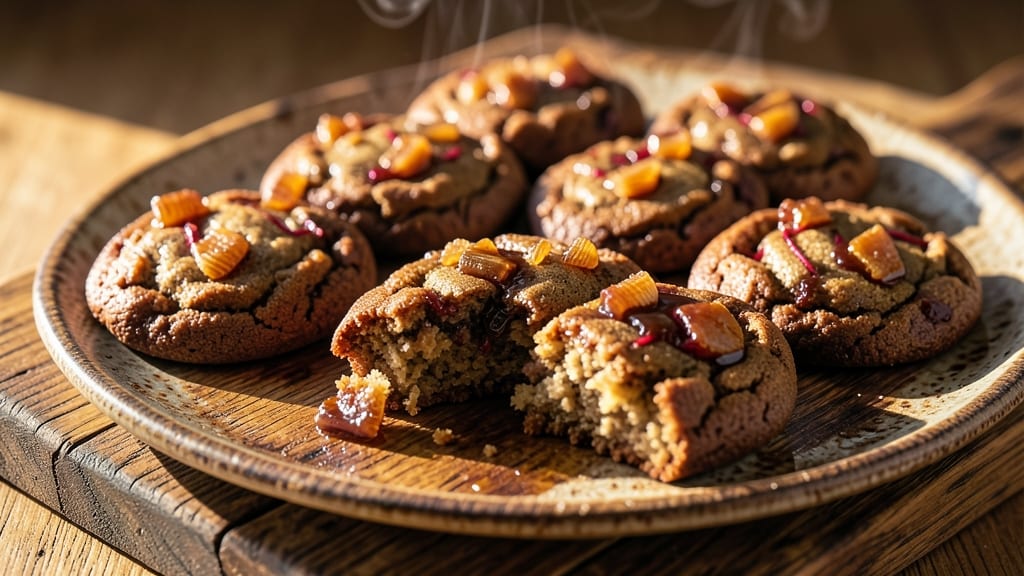
This blue bottle ginger molasses cookie recipe delivers a perfect balance of spicy warmth and crunchy texture that feels like sandpaper between your teeth. The secret lies in the combination of blue bottle ginger—with its bold, peppery kick—and rich molasses, creating a cookie that's both complex and comforting.
I developed this recipe after years of experimenting with gingerbread variations, and it's become a holiday favorite that disappears faster than you can bake a batch.
The cookies develop a deep caramel color with crisp edges and a tender, chewy center thanks to a precise ratio of brown sugar to molasses. The ginger adds a subtle heat that lingers without overpowering, while cinnamon and cloves round out the spice profile.
What makes these truly special is how the flavors evolve—the molasses mellows slightly as they cool, leaving behind a molasses cookie that's rich, spiced, and impossible to resist.
Perfect for holiday gatherings or cozy afternoons with tea, these cookies pair beautifully with strong black tea or vanilla ice cream. The recipe yields about 24 cookies, and they stay fresh for up to a week in an airtight container.
The key to success is baking them just until the edges are set—they'll firm up as they cool, giving you that perfect sandpaper crunch without burning.
For those who prefer a softer texture, slightly underbaking them ensures a chewier center, while a longer bake time creates a firmer cookie. The molasses adds moisture, so don't be tempted to overmix the dough—just combine the ingredients until just combined for the best texture. Let's get baking!
Ingredients for blue bottle ginger molasses cookie
Bold ginger, rich molasses, and crisp edges—these ingredients create cookies that disappear fast.
| Ingredient | Amount | Notes |
|---|---|---|
| Blue Bottle Ginger 🌶️ | ½ cup | Finely ground for bold flavor |
| Unsalted Butter 🧈 | 1 cup | Cold and cubed for texture |
| Light Brown Sugar 🍚 | 1 ½ cups | Packed firmly for sweetness |
| Molasses 🍯 | ½ cup | Unsulphured for rich flavor |
| Large Eggs 🥚 | 2 whole | Room temperature for mixing |
| All-Purpose Flour 🌾 | 3 ½ cups | Sifted for light texture |
| Ground Cinnamon 🌿 | 1 ½ tsp | Freshly ground preferred |
| Ground Cloves 🌶️ | ½ tsp | Lightly toasted for warmth |
| Salt 🧂 | 1 tsp | Diamond Crystal preferred |
| Baking Soda 🧪 | 1 tsp | Ensures proper rise |
| Vanilla Extract 🍶 | 1 tsp | Pure vanilla preferred |
| White Cornmeal 🌾 | ¼ cup | For sandpaper texture |
The blue bottle ginger is non-negotiable here—its bold, peppery kick sets these cookies apart. Williams Sonoma or Penzeys carry the best quality, but any well-marbled ginger will work. The molasses should be unsulphured for that deep, rich flavor—Grandma’s brand is my go-to. For the butter, grab the unsalted kind (the kind that stays cold in the fridge), and cube it before measuring. The cornmeal is what gives those cookies their signature sandpaper crunch—don’t skip it. If you can’t find it, a mix of flour and sugar works in a pinch, but it won’t be the same.
No blue bottle ginger? Fresh ginger and a pinch of cayenne can mimic the heat, though it won’t be identical. Substituting molasses with maple syrup? You’ll lose that deep, caramelized flavor, but it’ll still taste good. For the spices, if you’re missing cloves, allspice or nutmeg can step in, but the warmth won’t be the same. The baking soda is crucial—it’s what makes these cookies rise properly. If you’re out, baking powder at double the amount can work, but the texture might be slightly different. And for the love of cookies, don’t overmix the dough—just combine until it’s just combined.
These cookies keep for about 1 week in an airtight container, but honestly, they won’t last that long. If you’re making them ahead, bake them a day in advance and store them at room temperature—the flavors deepen overnight. For longer storage, freeze the dough balls (unbaked) for up to 3 months. Bake straight from frozen, adding an extra minute or two. The key to reheating? A quick 10-second zap in the microwave brings back that sandpaper crunch without making them soggy. Trust me, they’re even better the next day.
Why You'll Love This Recipe
- I’ll be real: this recipe uses stuff I already have. Butter, eggs, sugar—check. Molasses and ginger? Probably in my cabinet. No specialty ingredients, no last-minute grocery runs. And since they keep for weeks in an airtight container, they’re my go-to for when I’m broke or lazy.
- No Mixer Needed: I swear by this recipe when my hands are full—just cream the butter and sugar with a wooden spoon until it’s just light enough. No electric mixer, no fuss, and the molasses cuts through the richness so smoothly.
- Spiced Warmth in Every Bite: That Blue Bottle Ginger? It’s the star—bright, zesty, and lingering just enough to make you reach for another cookie. The molasses gives it a deep, caramelized edge, and the brown sugar keeps it from being too heavy. Honestly, it’s the kind of flavor that makes you pause mid-bite.
- Holiday or Snack Attack: These cookies freeze like champs, so I bake a double batch in November and pull them out whenever I need something special. They’re sturdy enough for gift bags but still soft enough to eat straight from the jar—perfect for teachers, neighbors, or your own midnight cravings.
Step-by-step instructions for blue bottle ginger molasses cookies
Here's how to create these spiced, sandpaper-textured cookies with perfect chew and bold flavor.
Cream Butter and Sugars for Maximum Flavor
In a stand mixer fitted with the paddle attachment, combine the 1 cup unsalted butter (cold and cubed) with the 1.5 cups light brown sugar on medium speed. Beat for 4-5 minutes until the mixture is light, fluffy, and nearly doubles in volume. You're looking for a pale, airy texture that looks like whipped cream—this incorporates air that will create those signature crackly tops.
The cold butter cubes create pockets of fat that melt during baking, contributing to the cookie's signature chewy texture. If your butter starts to look grainy, reduce the speed to low and let it blend back together. This step is crucial—don't rush it or your cookies will be dense instead of tender.
Mix in Molasses and Spices for Deep Flavor
Add the 0.5 cup molasses and 1 tsp vanilla extract to the butter-sugar mixture and mix on medium speed for 1 minute until fully combined. The molasses will darken the mixture, which is normal—this is where that rich, caramel-like flavor develops. Then add the 2 whole large eggs (room temperature) one at a time, mixing just until incorporated after each addition.
In a separate bowl, whisk together the 3.5 cups all-purpose flour, 1.5 tsp ground cinnamon, 0.5 tsp ground cloves, 1 tsp salt, and 1 tsp baking soda. Sift the dry ingredients directly into the wet mixture to avoid lumps. Mix on low speed just until combined—you should still see some flour streaks. Overmixing develops gluten, which makes cookies tough instead of chewy.
Fold in Cornmeal for Signature Texture
Remove the mixer bowl and add the 0.5 cup blue bottle ginger and 0.25 cup white cornmeal. Using a silicone spatula, gently fold these ingredients into the dough by hand. The cornmeal is key—it creates that signature sandpaper texture on the bottom of the cookies. The ginger adds bold, warming flavor that cuts through the sweetness beautifully.
Once combined, divide the dough into two equal portions. Flatten each portion into a disk, wrap in plastic wrap, and refrigerate for at least 1 hour (or up to 24 hours). Chilling firms up the dough, which prevents excessive spreading in the oven and intensifies the flavors. This step makes a world of difference in texture and taste.
Bake for Perfect Chew and Crisp
Preheat your oven to 350°F and line two baking sheets with parchment paper. Working with one disk at a time, roll the chilled dough to 1/4-inch thickness and cut into 2-inch rounds using a cookie cutter. Place cookies 2 inches apart on the prepared baking sheets—they'll spread slightly during baking.
Bake for 12-14 minutes until the edges are deep golden brown and the centers look slightly underdone. The cookies should pull away cleanly from the parchment when gently lifted. Let them cool on the baking sheet for 5 minutes before transferring to a wire rack to cool completely. The centers will firm up as they cool, giving you that perfect chewy texture with crisp edges.
Pro Tips For Making Blue Bottle Ginger Molasses Cookie
- CHILL THE DOUGH: After mixing everything, pop the dough in the fridge for at least 2 hours—yes, even if you’re eager to bake. I used to skip this and ended up with flat, dense cookies that spread like pancakes. Cold dough holds its shape better, and the ginger flavor gets a chance to bloom properly.
- GRATE THE GINGER FRESH: Blue Bottle Ginger is strong—use about 1 tablespoon of freshly grated ginger for the full recipe, not the powdered stuff. I tried the jarred version once, and it tasted like medicine. Freshly grated packs more punch and doesn’t overpower the molasses.
- DON’T OVERMIX THE BUTTER: Cream the butter and brown sugar just until light and fluffy—about 2-3 minutes. I’ve seen people beat this into buttercream, and it makes the cookies greasy. You want a smooth but still slightly grainy texture so the cookies stay tender.
- BAKE IN BATCHES: Preheat your oven to 350°F and bake one tray at a time, even if it means waiting. Crowding the pan turns the edges of your cookies into sad, undercooked blobs. Use a parchment-lined sheet and space them 2 inches apart—they’ll spread, but not too much.
Essential equipment for perfect results
Stand Mixer Essentials
Your stand mixer is the MVP for these cookies—it creates that light, airy texture that sets them apart. I use a KitchenAid Artisan Series with the paddle attachment for creaming the butter and sugar.
The paddle's flat edges incorporate air more efficiently than whisk attachments, which is key for that signature crackly cookie top. If you don't have a stand mixer, a hand mixer works in a pinch, but expect to put in extra elbow grease for those 4-5 minutes of creaming. 💪
Precision Measuring Tools
Accurate measurements are non-negotiable, especially with molasses and brown sugar. I swear by a OXO Good Grips Measuring Cups set—their angled spouts prevent spills when pouring sticky ingredients like molasses.
For the 1.5 cups packed brown sugar, use a light brown sugar scoop (available at Williams Sonoma) to avoid compaction issues. A digital kitchen scale is my secret weapon for the flour—weighing 3.5 cups (about 440 grams) gives more consistent results than volume measurements.
Precision here means perfect texture every time.
Cookie Cutters and Parchment
The 2-inch round cookie cutter is your best friend for uniform cookies. I prefer Weston Products stainless steel cutters—they stay sharp and don't warp over time. Pair them with high-quality parchment paper (I use If You Care Unbleached Parchment) to prevent sticking.
The cornmeal in the dough creates that sandpaper texture, but parchment ensures it doesn't burn onto your baking sheets. Pro tip: Use a lightweight silicone mat under parchment for even heat distribution if your oven has hot spots.
Oven Thermometer
Your oven's temperature display is often inaccurate—mine runs 25°F hotter than it should. An OXO Oven Thermometer ($12) is a game-changer for baking these cookies at the precise 350°F. The molasses and butter in the dough are sensitive to temperature fluctuations, so maintaining accuracy ensures perfect browning and texture.
Place the thermometer near the center rack while preheating, and adjust your oven's calibration if needed. This small investment prevents underbaked centers or over-browned edges. 🌡️
Dough Scraper and Silicone Spatula
A Benriner Dough Scraper makes handling the sticky ginger molasses dough effortless. Its flexible stainless steel blade cuts through the dough cleanly when dividing it into portions.
For folding in the blue bottle ginger and cornmeal, I reach for a silicone spatula—it's gentle on the dough and won't scratch your mixing bowls.
These tools keep your process smooth and prevent dough from sticking to surfaces, which is especially helpful with this flavorful (and slightly messy) recipe.
Air-Tight Storage Containers
Once baked, these cookies need proper storage to maintain their texture. I use Rubbermaid Brilliance Containers with snap-on lids—they create an airtight seal that keeps cookies fresh for up to 1 week. For longer storage, vacuum-sealed bags extend freshness to 2 weeks. The airtight seal prevents the ginger's oils from drying out the cookies, preserving that signature sandpaper crunch. If you're making them ahead, store the dough balls (unbaked) in a freezer-safe bag for up to 3 months—just add 1 extra minute to baking time when frozen.
Nutrition facts
Frequently asked questions
Why does this recipe use blue bottle ginger instead of regular ginger?
The blue bottle ginger delivers a much bolder, peppery kick that regular ground ginger can't match. Its intense heat and complex flavor profile cut through the sweetness of the molasses and brown sugar, creating a more sophisticated spice balance. Regular ginger would make the cookies taste more like traditional gingerbread—these have a distinct, almost slightly spicy-sweet character.
Can I make these cookies without molasses?
You can substitute 1/4 cup maple syrup plus 1/4 cup honey for the molasses, but the flavor will be noticeably different. The molasses provides that deep, caramel-like richness that pairs perfectly with the ginger's heat. If you're avoiding molasses for dietary reasons, try 1/2 cup dark corn syrup as a closer alternative—it won't be identical, but it'll still taste delicious.
How do I get that perfect sandpaper texture?
The white cornmeal is what creates that signature texture, but proper baking technique matters too. Bake at 350°F for 12-14 minutes until edges are deep golden brown—they'll firm up as they cool. For extra crunch, let them cool completely on the baking sheet before transferring. If your cookies turn out too soft, try baking them 1-2 minutes longer next time.
Can I freeze the dough balls?
Shape the dough into 1-inch balls, place them on a tray, and freeze until solid. Then transfer to a freezer bag for up to 3 months. Bake straight from frozen, adding 1-2 extra minutes to the baking time. The dough maintains its texture beautifully, and you'll save time on chilling day-of.
What's the best way to store these cookies?
Keep them in an airtight container at room temperature for up to 1 week. The ginger's oils help preserve freshness, but they'll taste even better the next day as the flavors meld. For longer storage, vacuum-seal them—they'll stay fresh for 2 weeks. If you're making them ahead, bake them 1 day in advance for maximum flavor development.