
Desserts
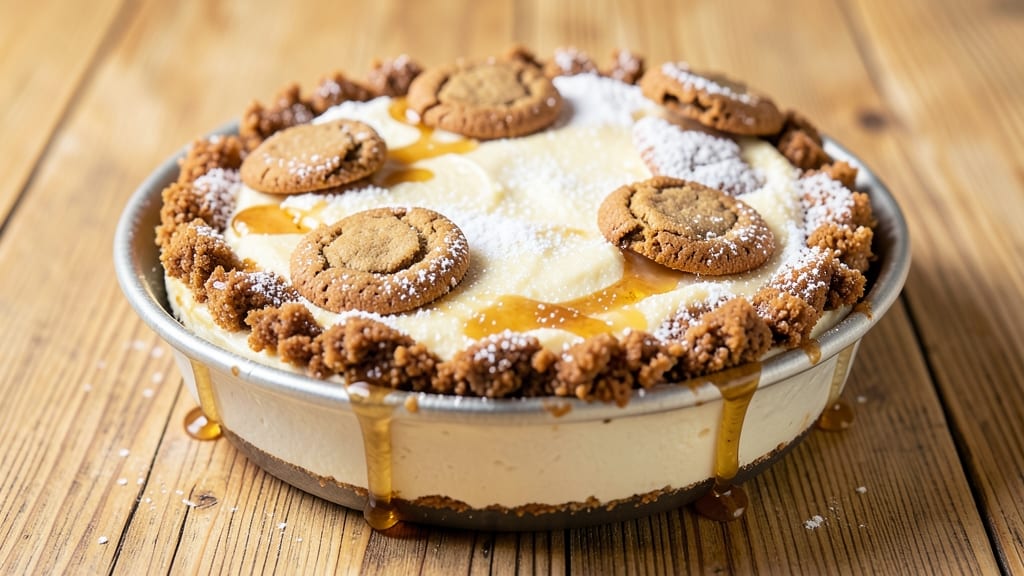
This Biscoff cookie crust cheesecake recipe delivers the perfect marriage of buttery crunch and silky smooth filling—no baking mishaps in sight. The secret lies in a foolproof foil-tricked method that prevents cracks while creating that coveted golden crust.
I’ve perfected this technique after years of cheesecake experiments, and it’s now my go-to for gatherings or special occasions.
The cookie crust starts with crushed Biscoff cookies blended with melted butter and sugar, pressed into the pan for maximum crunch. Meanwhile, the filling combines cream cheese, eggs, and sweetener for that signature velvety texture.
The water bath method ensures even baking, while the foil trick guarantees a crack-free top every time.
What you’ll end up with is a cheesecake that’s rich yet light, with a crispy, cookie-like base that holds up perfectly. The filling stays creamy with just a hint of tang, and the crust maintains its crunch even after chilling.
This is the kind of dessert that makes you look like a pro—no fancy equipment required.
Serve it chilled with fresh berries, a drizzle of caramel, or a dusting of powdered sugar. The possibilities are endless, but the technique remains the same: simple, reliable, and delicious. Let’s get started on creating your perfect slice.
Ingredients for biscoff cookie crust cheesecake
Crushed cookies, velvety filling, and a foolproof foil trick for perfect golden crust every time.
| Ingredient | Amount | Notes |
|---|---|---|
| Biscoff Cookies 🍪 | 2 cups | Crushed into fine crumbs |
| Unsalted Butter 🧈 | ½ cup | Melted, cooled slightly |
| Granulated Sugar 🍚 | ½ cup | For crust sweetness |
| Large Eggs 🥚 | 4 whole | Room temperature preferred |
| Full-Fat Cream Cheese 🧀 | 32 oz | Room temperature, no lumps |
| Powdered Sugar 🍚 | 1 ½ cups | For filling sweetness |
| Vanilla Extract 🌿 | 2 tsp | Pure vanilla preferred |
| Light Corn Syrup 🍯 | ½ cup | Prevents graininess |
| Heavy Cream 🥛 | 1 cup | For extra richness |
| Salt 🧂 | ½ tsp | Kosher or sea salt |
| Lemon Juice 🍋 | 1 tbsp | Freshly squeezed |
| Aluminum Foil 📄 | 1 sheet | For crack prevention |
The Biscoff cookies are the star here—grab the boxed kind (the ones with the chocolate chips if you're feeling fancy). Trader Joe's or Costco usually have them in bulk, which saves money. For the crust, crush them into fine crumbs—use a food processor or just smash them in a bag with a rolling pin. The butter needs to be melted but not hot—just enough to coat the crumbs. If you're short on cookies, graham crackers or digestive biscuits work in a pinch, but the flavor won't be quite the same. Pro tip: toast the crumbs with the sugar for 2 minutes before pressing into the pan—it adds extra crunch.
Room-temperature cream cheese is non-negotiable here—lumps mean trouble. If yours is straight from the fridge, let it sit for 30 minutes before mixing. The eggs should be at room temp too, but if you're in a rush, just crack them into a bowl first to warm them up. No vanilla extract? Vanilla bean paste works too, or even a pinch of vanilla sugar if that's all you've got. The corn syrup is key for that silky texture—don't skip it. For the foil trick, use a sheet that's about 2 inches wider than your springform pan. Press it gently onto the cheesecake batter before baking, then remove it after 45 minutes to let the top brown just right.
This cheesecake tastes even better the next day, so make it ahead if you can. Store it in the fridge, covered, for up to 5 days. The crust stays crispy if you keep it sealed, but if you're worried about sogginess, press extra crumbs on top before chilling. To serve, run a knife around the edge and pop it out of the pan. The foil trick means the sides stay clean, but if you want extra insurance, wrap the pan in foil before baking. Freezes beautifully too—3 months max—just thaw overnight in the fridge.
Why You'll Love This Recipe
- No Crust Struggles: I crush Biscoff cookies into a fine crumble—no food processor required—and mix them straight into melted butter. Spread that over the bottom of your pan, press lightly, and boom: zero fuss, zero mess.
- Crunch-Meets-Cream Magic: That buttery cookie crust? It’s not just a base—it’s the star. The moment the creamy cheesecake sets, every bite delivers that perfect contrast: soft, tangy filling with a crispy, caramelized edge. Honestly, it’s the kind of dessert that makes you pause mid-bite.
- Weeknight or Showstopper: Make it for a lazy Sunday breakfast or a dinner party—this cheesecake handles both. The Biscoff cookie crust adds a nostalgic twist that feels special, but the recipe’s simplicity means you’re not stuck slaving away. (Yes, even on a Tuesday night.)
- Leftovers? Better Than New: The cheesecake keeps beautifully in the fridge for days, and the cookie crust stays crispy if you store it right. Slice it up for breakfast toast, or just grab a piece straight from the pan—it’s that good. Between us, I’ve eaten this cold three mornings in a row.
Step-by-step instructions for Biscoff cookie crust cheesecake
Here's how to build a foolproof cheesecake with a crunchy cookie base and velvety filling.
Create the Cookie Crust
Preheat your oven to 350°F and line the bottom of a 9-inch springform pan with the sheet of aluminum foil. Pulse the 2 cups Biscoff Cookies in a food processor until you achieve fine crumbs—think sand-like texture, not coarse bits. Mix these with the 0.5 cup melted Unsalted Butter and 0.5 cup Granulated Sugar in a bowl until evenly combined.
Press the mixture firmly into the bottom of the prepared pan, creating an even layer. Use the back of a spoon to smooth out any uneven spots. Bake for 10 minutes—this pre-baking step ensures the crust holds together and stays crispy. Let it cool completely before adding the filling, about 20 minutes. This patience prevents a soggy bottom later.
Prepare the Cheesecake Filling
In a large mixing bowl, beat the 32 oz Full-Fat Cream Cheese at medium speed until completely smooth—no lumps allowed. Add the 4 whole Large Eggs one at a time, mixing just until each is incorporated. Scrape down the sides of the bowl as needed to ensure even blending. This step is critical for a light, airy texture.
In a separate bowl, whisk together the 1.5 cups Powdered Sugar, 2 tsp Vanilla Extract, 0.5 cup Light Corn Syrup, 1 cup Heavy Cream, 0.5 tsp Salt, and 1 tbsp Lemon Juice. Gradually pour this mixture into the cream cheese while continuing to mix on low speed. The batter should be smooth and slightly thick—it should coat the back of a spoon but still flow easily.
Assemble and Bake the Cheesecake
Pour the filling over the cooled cookie crust, spreading it evenly to the edges. Tap the pan gently on the counter to release any air bubbles. Wrap the outside of the springform pan tightly with the remaining aluminum foil to prevent water from seeping in during the water bath.
Place the pan in a large roasting pan and pour hot water into the roasting pan until it reaches halfway up the sides of the springform pan. This water bath creates gentle, even heat that prevents cracking. Bake at 325°F for 60-70 minutes—the center should be just set but still slightly jiggly. A toothpick inserted should come out with a few moist crumbs, not wet batter.
Cool and Set the Cheesecake
Remove the cheesecake from the water bath and let it cool in the oven with the door slightly ajar for 1 hour. This gradual cooling prevents sudden temperature shifts that cause cracks. Once cooled, refrigerate the cheesecake uncovered for 4 hours or overnight—this allows the surface to set properly and develop that signature velvety texture.
Before serving, run a thin knife around the edges to loosen it from the pan. Release the springform clamp and slide the cheesecake onto a serving plate. The crust should be crisp and crunchy, while the filling remains silky smooth with a slight wobble in the center. Serve chilled with fresh berries or a drizzle of caramel for extra indulgence.
Pro Tips For Making Biscoff Cookie Crust Cheesecake
- CHILL THE CRUST: Press the Biscoff cookie crumbs into the pan, then pop it in the fridge for 15 minutes before adding the filling. I learned this the hard way—skipping it means the crust gets soggy when the warm cheesecake hits it, and nobody wants a mushy bottom.
- MELT BUTTER SLOW: When melting the butter for the crust, keep the heat low and stir constantly—you’re not making caramel, just softened butter. After burning three batches, I finally figured out that medium-low heat prevents grainy butter from ruining the texture.
- WEIGH THE CREAM CHEESE: Use a kitchen scale for the cream cheese—block measurements are unreliable. The recipe likely calls for 16 ounces, but scooping can leave you short or overdoing it, which throws off the balance of the filling.
- REST THE FILLING: Let the cheesecake mixture sit at room temperature for 10 minutes after mixing before baking. This lets the eggs and cream cheese blend properly, so you don’t end up with curdled spots in the center—yes, even if you’re impatient like me.
Regional styles of this dish
Classic American Bake Shop
This cheesecake style draws inspiration from classic American diners and bake shops, where cookie crusts were a staple. The original version often used graham crackers, but Biscoff cookies add that extra buttery richness that makes it stand out.
I remember my first trip to a diner in Chicago where they served this exact style—just with a different cookie. The key here is the balance between the crisp crust and the creamy filling, which is why we pre-bake the crust for 10 minutes to lock in that crunch. 🍪
Southern Comfort Twist
In the Southern U.S., cheesecakes often get a boost of warmth with spices like cinnamon or nutmeg. For a regional twist, add 1 tsp cinnamon and ½ tsp nutmeg to the cookie crust mixture before pressing it into the pan.
This adds a cozy, spiced note that pairs beautifully with the sweet filling. I love serving this version during the holidays—it feels like a hug in dessert form. The Southern touch also works well with a bourbon caramel drizzle on top. 🌶️
Midwest Homestyle Adaptation
The Midwest is famous for its hearty, comforting desserts, and this cheesecake fits right in. Swap the Biscoff cookies for chocolate chip oatmeal cookies if you want a nuttier, heartier crust. These are easy to find in bulk at stores like Costco or Walmart.
The oatmeal adds a subtle chewiness that contrasts perfectly with the smooth filling. I’ve made this version for potlucks in Minnesota, and it’s always a crowd-pleaser.
The Midwest style also leans into a slightly denser filling, so you can reduce the heavy cream by ¼ cup if you prefer a firmer texture. 🏞️
Coastal California Lightness
On the West Coast, desserts often emphasize fresh, lighter flavors. For a California-inspired twist, fold ½ cup whipped cream into the filling just before baking to keep it airy and light. Top with fresh raspberries or blackberries instead of a traditional garnish—their acidity cuts through the richness beautifully.
I’ve served this version at beachside gatherings in Malibu, and it’s a refreshing change from heavier desserts. The coastal style also works well with a lemon glaze drizzled on top for a zesty finish. 🌊
New England Crunch Factor
New Englanders love their textures, and this cheesecake delivers with an extra-crunchy crust. For a regional adaptation, toast the crushed Biscoff cookies with 1 tbsp brown sugar and ½ tsp cinnamon for 3-4 minutes before pressing them into the pan.
This adds a deeper caramelized flavor and an even crispier base. Pair it with a dollop of vanilla bean ice cream for a classic New England dessert combo. I’ve made this version for Thanksgiving desserts in Boston, and it’s always a hit with the family.
The extra crunch makes it feel extra special. 🍂
Nutrition facts
Frequently asked questions
Can I use store-bought Biscoff cookies for this recipe?
This recipe is designed for the classic boxed Biscoff cookies you find in most grocery stores. For best results, use the chocolate chip version if available—they add extra flavor. If you can't find Biscoff cookies, graham crackers or digestive biscuits work in a pinch, though the texture and taste will differ slightly.
Why does the recipe call for a water bath?
The water bath creates gentle, even heat that prevents cracking while ensuring the cheesecake bakes uniformly. The foil trick (covering with aluminum foil during baking) works together with the water bath to create that perfect golden crust without any unsightly cracks. This method is especially important for high-fat cheesecakes like this one.
How do I prevent the cookie crust from getting soggy?
Pre-baking the crust for 10 minutes before adding the filling is key to preventing sogginess. Let it cool completely before pouring the cheesecake batter, and make sure your cream cheese mixture isn't too wet. If you're concerned, press extra crushed cookies on top of the filling before baking for added insurance.
Can I make this cheesecake ahead of time?
Yes! This cheesecake actually tastes better the next day. Store it in the fridge, covered, for up to 5 days. The flavors meld beautifully, and the crust maintains its crunch. For serving, let it sit at room temperature for 15-20 minutes before slicing to make it easier to cut.
What if my cheesecake cracks?
Cracking can happen, but the foil trick in this recipe minimizes the risk. If it does crack, don't worry—it's still delicious! For next time, ensure your oven is fully preheated, your ingredients are at room temperature, and you're using the water bath method. You can also cover the cheesecake with plastic wrap (pressed directly on the surface) during the final cooling phase to prevent surface cracks.