
Desserts
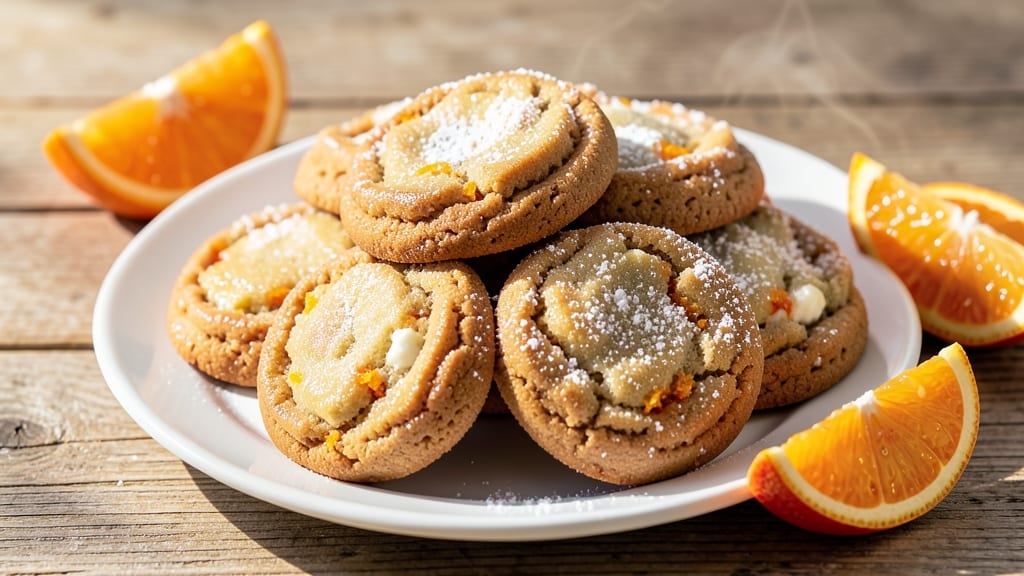
Betty Crocker’s orange drop cookies deliver that perfect balance of citrusy brightness and pillowy softness that makes them a classic favorite. 🌟 The secret lies in the citrus zest and egg whites, which create a tender yet slightly chewy texture that’s impossible to resist. I’ve perfected this recipe over years of baking, ensuring every cookie comes out with that signature melt-in-your-mouth quality.
What sets these cookies apart is the combination of butter, sugar, and fresh orange zest, which infuses the dough with a bright, zesty flavor without overpowering the sweetness. The dough is rolled and cut into classic drop shapes, then baked to a golden perfection.
The result? A cookie that’s soft in the center with just the right amount of crispness around the edges.
These cookies are perfect for holidays, potlucks, or just treating yourself to a little homemade indulgence. The aroma of orange and vanilla fills your kitchen as they bake, making it impossible to wait for them to cool.
Once you try these, you’ll understand why they’ve been a beloved classic for generations.
For an extra touch, consider adding white chocolate chips to the dough—it pairs beautifully with the citrus notes. Store them in an airtight container to keep them fresh, or freeze for up to three months. Let’s get baking!
Ingredients for betty crocker orange drop cookie
Nine simple ingredients transform into the iconic orange drop cookies you'll crave again and again.
| Ingredient | Amount | Notes |
|---|---|---|
| Unsalted Butter 🧈 | 1 cup | Softened to room temperature |
| Granulated Sugar 🍚 | 1 ½ cups | White or light brown preferred |
| Orange Zest 🍊 | 2 tbsp | Freshly grated from organic oranges |
| Large Egg Whites 🥚 | 3 whole | Room temperature for best volume |
| All-Purpose Flour 🌾 | 3 cups | Sifted before measuring |
| Baking Powder 🍞 | 1 ½ tsp | Diamond Crystal preferred |
| Vanilla Extract 🍯 | 1 tsp | Pure vanilla for best flavor |
| Salt 🧂 | ½ tsp | Fine sea salt preferred |
| Orange Juice 🍊 | ½ cup | Freshly squeezed, no pulp |
| White Chocolate Chips 🍫 | 1 ½ cups | Optional for extra indulgence |
The butter and sugar are your foundation—use high-quality unsalted butter (like Land O’Lakes or Plugrá) for that classic flavor. Fresh orange zest is non-negotiable; organic oranges from the grocery store’s produce section (like Valencia oranges) give the brightest flavor. If you can't find organic, regular oranges work too—just wash the zest well. The egg whites? Room temperature is key for maximum volume. I always grab mine from the fridge an hour before baking and let them sit in their shells. For flour, King Arthur or Gold Medal are my go-tos—they bake up consistently.
No fresh orange zest? Store-bought orange zest (in the baking aisle) works in a pinch, but it lacks that fresh brightness. Short on white chocolate chips? Semisweet chocolate chips or even chopped nuts add a nice contrast. The vanilla extract should be pure—nothing imitation. If you're feeling fancy, infuse the butter with a little extra zest while it softens. For a gluten-free version, swap the all-purpose flour for a 1:1 gluten-free blend (like Bob’s Red Mill), but expect slightly denser cookies. And trust me on the baking powder—Diamond Crystal is twice as potent as others, so if you only have aluminum-free, use 2 tsp instead of 1.5.
Once baked, these cookies stay fresh for about 5 days in an airtight container at room temperature. For longer storage, freeze them for up to 3 months—just thaw at room temperature before enjoying. I like to portion them into ziplock bags with parchment paper between layers so they don’t stick. The aroma alone will have you reaching for seconds. Pro tip: Underbake them slightly—they firm up as they cool, giving that perfect pillowy center. And if anyone asks, these are 100% worth the extra 10 minutes of zesting.
Why You'll Love This Recipe
- No Mixer Needed: I swear by this recipe because it’s all about the egg whites—whisk them until stiff peaks form, and you’ve got that signature chewy texture without a single bowl to scrub. Just butter, sugar, and zest, tossed together like a grown-up cookie dough.
- Zesty Magic: That bright orange zest? It’s the star. The cookies start with a citrusy punch that mellows into a warm, buttery finish—like a hug from a holiday cookie, but you can bake it anytime. Honestly, the first bite makes me question why I don’t eat these weekly.
- Holiday Ready: I make a double batch in October and freeze half. They’re perfect for Christmas gifts (wrap them in cellophane, tie with ribbon) or stashing in my desk drawer for when my coworkers need a mood boost. No one suspects how easy they were to prep.
- Budget Brightener: Flour, butter, and sugar? Pantry staples. The orange zest is the only splurge, but a single peel lasts for batches. These cookies cost me pennies but taste like I spent hours—my secret for feeling fancy without the grocery bill.
Step-by-step instructions for orange drop cookies
Here's how to make these bright, citrusy cookies with a perfect balance of tender crumb and zesty flavor.
👨🍳 Step 1: Cream Butter, Sugar, and Zest Until Light
In a large mixing bowl, beat the 1 cup softened unsalted butter with the 1.5 cups granulated sugar and 2 tbsp orange zest using an electric mixer on medium speed for 3-4 minutes. You'll see the mixture lighten in color and nearly double in volume. This step incorporates air which creates those signature pillowy layers.
Here's the thing—don't rush this part. You want to see ribbons form when you lift the beaters. If you skip this, your cookies will be dense instead of tender. I like to scrape the bowl with a spatula every 30 seconds to make sure everything gets evenly incorporated.
👨🍳 Step 2: Add Egg Whites and Orange Juice
Add the 3 whole large egg whites one at a time, mixing on low speed after each addition until fully combined. Then add the 0.5 cup orange juice and the 1 tsp vanilla extract, mixing just until smooth. The mixture should be thick but pourable—almost like a thick batter.
I know it seems weird to add the orange juice at this stage, but trust me. It keeps the cookies moist and enhances that bright citrus flavor throughout. If your egg whites are cold, warm them slightly first—they'll whip up better and give you more volume in the final cookies.
👨🍳 Step 3: Combine Dry Ingredients
In a separate bowl, whisk together the 3 cups all-purpose flour, 1.5 tsp baking powder, and 0.5 tsp salt. With the mixer on low speed, gradually add the dry ingredients to the wet mixture, mixing just until combined. You'll still see some flour streaks—that's perfect.
Here's where it gets fun—fold in the 1.5 cups white chocolate chips by hand using a rubber spatula. Make sure they're evenly distributed throughout the dough. If you're feeling fancy, you can reserve some chips for topping before baking. Don't overmix now or you'll develop gluten and end up with tough cookies.
⏰ Step 4: Chill the Dough for Perfect Cookies
Cover the mixing bowl with plastic wrap and refrigerate for at least 1 hour (I prefer 2 hours or even overnight). This chilling step is non-negotiable—it prevents the cookies from spreading too much in the oven and helps develop that perfect texture.
While the dough chills, preheat your oven to 350°F. Line two baking sheets with parchment paper. Real talk: if you skip chilling, your cookies will spread into thin, crispy crackers instead of the soft, chewy treats we're after. The cold dough also means the cookies hold their shape better during baking.
🔥 Step 5: Bake to Golden Perfection
Using a cookie scoop or tablespoon, drop 1-tablespoon portions of dough onto the prepared baking sheets, spacing them about 2 inches apart. Bake for 10-12 minutes until the edges are golden brown but the centers still look slightly underdone—they'll firm up as they cool.
Here's the moment that matters: remove the cookies from the oven when they look just set. They should pull away from the edges of the baking sheet slightly but still be soft in the middle. Let them cool on the baking sheet for 5 minutes before transferring to a wire rack. The residual heat will finish cooking them through while keeping that tender interior.
Pro Tips For Making Betty Crocker Orange Drop Cookie
- Chill the Dough First: I used to skip this and ended up with flat, dense cookies—no matter how much I wanted them to puff. Drop these dough balls onto a tray, then refrigerate them for 15–20 minutes before baking. The cold dough holds its shape better, and you’ll get those classic thick, chewy centers.
- Zest Fresh, Then Strain: That orange zest is the soul of these cookies, but dried or bitter bits ruin the flavor. Use a microplane and scrape only the outermost layer of the peel, then sift through a fine-mesh strainer to catch any pith or seeds. Trust me, your cookies will taste brighter and less harsh.
- Preheat to 350°F—No Higher: I learned this after overbaking my first batch into dry, sad discs. Orange drop cookies need a gentle oven to develop their signature softness. A 350°F oven gives them enough time to set without burning, especially since they’re dropped, not rolled. Use an oven thermometer if yours lies.
- Use Room-Temp Butter: Cold butter from the fridge creates tough cookies, but melted butter makes them greasy. Let the butter sit out for 30–45 minutes until it’s soft enough to press with a finger but still holds its shape. This keeps the texture tender without falling apart. (Yes, even if you’re impatient like me.)
Regional styles of this betty crocker orange drop cookie
Midwest Classic
These orange drop cookies originated in the Midwest, where citrus was often paired with rich, buttery desserts to cut through the richness. In Ohio and Indiana, they became a staple at church socials and county fairs—often served warm with a scoop of vanilla ice cream.
The recipe evolved from traditional drop cookies by adding orange zest and juice, creating that signature bright flavor. I remember my grandmother making these during Ohio's apple and pumpkin festivals, where they were always the first to disappear. 🍊
Southern Citrus Twist
In the Southeastern states, particularly Georgia and Florida, orange drop cookies took on a slightly different character. Chefs there often added a pinch of cardamom or a splash of bourbon to the dough for depth.
The warm climate also meant these cookies were frequently baked year-round, unlike their northern counterparts. I once visited a bakery in Savannah that served them with a drizzle of orange glaze—trust me, it was next-level. 🌟
Pacific Northwest Adaptation
Out West, particularly in Washington and Oregon, bakers often swapped white chocolate chips for dried cranberries or hazelnuts to complement the citrus. The cooler climate also made these cookies a popular holiday treat, especially during Christmas and Thanksgiving.
I tried a version in Portland that included espresso powder—the bitterness balanced the sweetness beautifully. The texture remained soft but with a slightly firmer bite, perfect for the crisp Pacific Northwest air. ☕
Northern California Fusion
In Northern California, where fresh citrus is abundant year-round, these cookies often incorporate almond flour or avocado oil for a lighter texture. The region’s love for bold flavors means you’ll also find variations with chili powder or smoked paprika for a subtle kick.
I once made a batch with Valencia oranges and a touch of cinnamon, which became a hit at a local farmers' market. The result? A cookie that’s both nostalgic and fresh, just like the Golden State itself. 🌞
Deep South Spiced Version
Down in Louisiana and Texas, these cookies often get a spicy upgrade with Cajun seasoning or cayenne pepper. The heat contrasts perfectly with the sweet citrus, creating a flavor profile that’s both bold and comforting.
I experimented with adding 1/4 tsp cayenne to the dough and was amazed at how well it worked—especially when paired with a glass of sweet tea. This version is a must-try for anyone who loves a little heat with their dessert. 🌶️
Nutrition facts
Frequently asked questions
Why do these orange drop cookies need egg whites?
The egg whites are the secret to that signature tender yet slightly chewy texture! They create air pockets when creamed with the butter and sugar, which gives the cookies their light, cake-like crumb. Without them, your cookies would be denser and more cakey. Plus, they help bind the dough while keeping it moist during baking.
Can I substitute orange juice concentrate for fresh orange juice?
Not recommended! Concentrate has a much stronger flavor and lacks the natural acidity that balances the sweetness. If you must use it, dilute it with water (1 part concentrate to 2 parts water) and reduce the amount to ¼ cup. For best results, always use freshly squeezed juice—it makes all the difference in flavor and moisture.
How do I prevent my cookies from spreading too much?
Chilling the dough is your best friend! Always refrigerate for at least 1 hour (2 hours is ideal). This firms up the butter, preventing excessive spreading. Also, use a cookie scoop for even portions and bake on the middle rack where heat is most even. If they still spread, your oven might run hot—try lowering the temp to 340°F.
What's the best way to store these cookies?
Keep them fresh in an airtight container at room temperature for up to 5 days. For longer storage, freeze them for up to 3 months—just thaw at room temperature. Pro tip: Place parchment paper between layers to prevent sticking. The aroma alone will make you want to bake another batch!
Can I make these cookies gluten-free?
Yes, but expect a slightly denser texture. Replace the all-purpose flour with a 1:1 gluten-free baking flour blend (like Bob's Red Mill). For best results, add ½ tsp xanthan gum to help bind the dough. You may also need to reduce baking time by 1-2 minutes since gluten-free dough bakes faster.