
Desserts
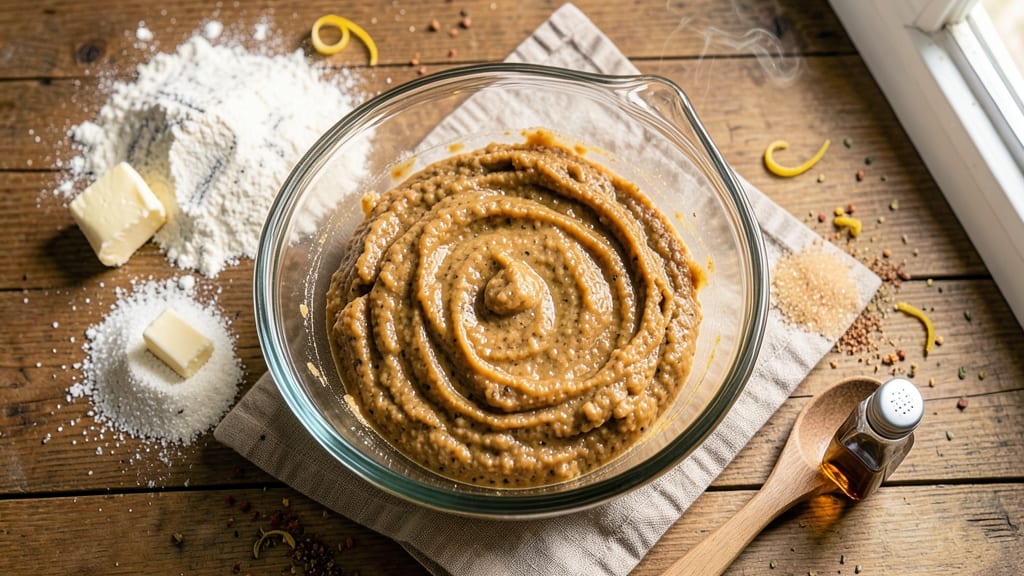
This basic eggless cookie dough recipe delivers all the magic of classic dough—chewy, sweet, and safe to eat—without any raw eggs in sight. The secret lies in a simple flaxseed "egg" substitute that binds everything together while keeping the texture perfectly tender.
I've been perfecting this recipe for years, especially for those who want to enjoy cookie dough without the worry of salmonella or dietary restrictions.
The beauty of this recipe is its versatility—you can use it straight from the fridge as cookie dough or bake it into cookies for a foolproof treat. Whether you're avoiding eggs for allergies, following a vegan diet, or simply preferring the convenience of no-bake dough, this method delivers.
The flaxseed adds a subtle nutty depth that complements the sweetness of vanilla and chocolate chips beautifully.
What you'll end up with is a batch of cookie dough that's rich, flavorful, and safe to eat by the spoonful. The dough holds its shape when rolled into balls and bakes into cookies with crisp edges and soft centers.
It's the perfect balance of indulgence and practicality, especially when you're craving something sweet but need a reliable recipe that works every time.
Store the dough in an airtight container in the fridge for up to a week, or freeze it for longer storage. For extra flavor, fold in your favorite mix-ins like chocolate chips, nuts, or dried fruit. Let's get started on this safe-to-eat, egg-free delight!
Ingredients for basic eggless cookie dough
Pantry staples plus flaxseed magic—no eggs, no worries, just safe-to-eat cookie dough joy.
| Ingredient | Amount | Notes |
|---|---|---|
| All-Purpose Flour 🌾 | 2 cups | Sifted for light texture |
| Ground Flaxseed 🌰 | 3 tbsp | For flax egg substitute |
| Granulated Sugar 🍚 | ¾ cup | White or brown preferred |
| Unsalted Butter 🧈 | ½ cup | Softened, full-fat version |
| Vanilla Extract 🌸 | 1 tsp | Pure vanilla preferred |
| Salt 🧂 | ½ tsp | Kosher or sea salt |
| Milk 🥛 | ¼ cup | Any kind works fine |
| Chocolate Chips 🍫 | 1 cup | Semi-sweet preferred |
| Dark Brown Sugar 🍚 | ¼ cup | Packed tightly |
| Almond Extract 🌰 | ¼ tsp | Optional for nutty depth |
| Vanilla Bean Paste 🌸 | ½ tsp | For extra vanilla flavor |
| Mini Chocolate Chips 🍫 | ½ cup | For extra texture |
| White Chocolate Chips 🍫 | ½ cup | Optional mix-in |
The flaxseed is your secret weapon here. Bob's Red Mill or any organic brand works great—just grind it fresh if you can (a coffee grinder does the trick). The butter matters too: full-fat, unsalted keeps the dough rich and tender. For chocolate chips, Ghirardelli semi-sweet is my go-to, but any brand is fine. Pro tip: if you're using mini chips, fold them in last so they stay whole. The vanilla extract? Pure Madagascar bourbon is worth the splurge for that deep, warm flavor.
No flaxseed? Chia seeds work at double the amount (6 tbsp chia + 6 tbsp water = 3 flax eggs). Short on butter? Coconut oil at the same quantity keeps it vegan-friendly. The dough gets denser without butter, but still delicious. Swapping chocolate chips? Crushed Oreos or pretzels add fun twists. Want it sweeter? Add 1 tbsp more sugar or a splash of maple syrup. The dough's texture is forgiving—don't stress if measurements aren't perfect.
This dough keeps for 1 week in the fridge (airtight container, obviously) or 3 months frozen30 minutes before dropping them on the sheet. No-bake? Just scoop and eat straight from the fridge—spoonfuls taste best. Portion into balls before freezing for easy baking later. And if you're feeling fancy, roll some in crushed nuts or sprinkles before baking. Leftovers? Toss them in a cookie jar for a sweet snack.
Why You'll Love This Recipe
- No Eggs, No Stress: I’ll be real—this dough comes together in five minutes with just a bowl and a fork. No eggs to crack, no waiting for them to cool, just mix the flaxseed with water, fold in the butter and sugar, and you’re done. My kids help stir it while I multitask (yes, even on a Tuesday night).
- Butter-Sugar Magic: That rich, creamy butter cut into the flour? It melts into something dangerously addictive—like a cross between a shortbread cookie and a soft-baked treat. The vanilla extract ties it all together with that warm, cozy vanilla kick you’d expect from a bakery, but it’s your kitchen.
- Dough for Days: Here’s what sold me—this keeps perfectly in the fridge for up to five days. Need a quick snack? Roll it into balls and bake. Forget to bake? Eat it straight. My roommates still ask for “that dough” from the freezer two weeks later, and I haven’t even decorated it.
- Pocket-Friendly Luxury: Ground flaxseed replaces eggs without breaking the bank, and you’re using pantry staples: flour, sugar, butter. I’ve made this for birthday parties, school fundraisers, and lazy Sundays—no one ever guesses it’s not the store-bought kind. (Between us, they usually ask for the recipe.)
Step-by-step instructions for safe-to-eat cookie dough
Here's how to mix up this foolproof eggless dough that's safe to eat straight from the bowl.
Make the Flax Egg Substitute
In a small bowl, whisk together the 3 tablespoons ground flaxseed and ¼ cup milk. Let it sit for 5 minutes while you prep the rest—this creates a gel-like flax egg that binds everything perfectly. You'll see it thicken noticeably, almost like scrambled eggs. This step replaces the raw eggs while keeping the dough cohesive and delicious.
I like to use a whisk for this because it helps distribute the flaxseed evenly throughout the milk. If you forget to let it sit, the dough might turn out slightly crumbly, so don't skip this waiting time. The flax egg should be smooth and slightly sticky by the time you're ready to mix it in.
Cream Butter and Sugars Together
In a large mixing bowl, combine the ½ cup softened unsalted butter, ¾ cup granulated sugar, and ¼ cup packed dark brown sugar. Beat with an electric mixer on medium speed for 3-4 minutes until light and fluffy. You're looking for that classic pale, airy texture that tells you air has been incorporated.
This creaming process is what gives your cookies that classic chewy texture. If your butter isn't softened enough, the mixture will look greasy instead of fluffy. Press a finger into the butter—it should leave a slight indent but hold its shape. The sugars should be completely dissolved, with no visible grains remaining.
Add Flavors and Mix Well
Add the 1 teaspoon vanilla extract, ½ teaspoon vanilla bean paste, ½ teaspoon salt, and ¼ teaspoon almond extract (if using) to the butter-sugar mixture. Mix on low speed for 30 seconds until fully combined. The vanilla bean paste adds that extra depth of flavor that regular extract can't match, but it's completely optional if you prefer to stick with just the extract.
Next, add the flax egg mixture you prepared earlier. Mix on low speed again for 1 minute until everything is thoroughly incorporated. At this point, you should have a smooth, slightly sticky dough base. If it looks too dry, you can add 1-2 teaspoons more milk to help with mixing, but don't add too much or your cookies might spread too thin.
Fold in the Dry Ingredients
In a separate bowl, whisk together the 2 cups all-purpose flour. Then, gradually add it to the wet ingredients, mixing on low speed with the electric mixer for 1-2 minutes until just combined. You want to see some flour streaks remaining—overmixing develops gluten and makes the cookies tough.
Remove the bowl from the mixer and use a silicone spatula to gently fold in the 1 cup chocolate chips, ½ cup mini chocolate chips, and ½ cup white chocolate chips. Be careful not to overmix at this stage. The dough should be thick, sticky, and ready to roll into balls. If it's too sticky to handle, you can refrigerate it for 10-15 minutes to firm up slightly before shaping.
Shape and Chill for Perfect Cookies
Scoop the dough into 1-tablespoon balls (about 16 total) and place them 2 inches apart on a parchment-lined baking sheet. Flatten each ball slightly with your palm to create ¼-inch thick cookies. Chill in the refrigerator for 20 minutes before baking—this prevents excessive spreading and helps the cookies hold their shape.
While the dough chills, preheat your oven to 350°F. The chilling step is crucial for getting those thick, chewy cookies with crisp edges. If you're in a hurry, you can bake them right away, but they might spread more and be slightly softer. The perfect cookie should have golden brown edges and slightly cracked tops when done, with gooey centers that pull apart with a gentle tug.
Pro Tips For Making Basic Eggless Cookie Dough
- MEASURE FLAXSEED ACCURATELY: Mix the ground flaxseed with water first—then let it sit for 5 minutes before adding to the batter. I learned this the hard way when my dough turned gummy; the flax "eggs" need time to thicken properly.
- CREAM THE BUTTER COLD: Use butter straight from the fridge—no softening needed. Cold butter creates pockets for that classic cookie texture, and you’ll avoid greasy dough. (Yes, even if you’re impatient like me.)
- DON’T OVERMIX THE DOUGH: Stop mixing as soon as the flour disappears—overworking makes cookies tough. Scrape the dough ball with a spatula instead of stirring; it’s less messy and keeps the texture tender.
- CHILL THE DOUGH 30 MINUTES: Skip the urge to bake right away—let it rest in the fridge. This prevents spreading and deepens the flavor. (Your future self will thank you when the cookies hold their shape.)
Storing and reheating this recipe
Fridge Storage Secrets
Store your eggless cookie dough in an airtight container with a lid—glass or plastic both work well, but glass keeps flavors fresher longer. I use a quart-sized mason jar for portion control and easy access. Press plastic wrap directly onto the dough's surface before sealing to prevent drying.
The dough stays fresh for up to 7 days in the fridge, with flavors actually improving as the flaxseed and spices meld together. 🌟
For best results, divide the dough into two 1-pound portions before storing. This makes it easier to grab just what you need without thawing the whole batch. Label the container with the date to track freshness—trust me, you'll forget otherwise!
If the dough feels dry after refrigeration, simply mix in 1 teaspoon milk to restore moisture before using.
Freezing for Long-Term
Freeze your dough in 1-tablespoon balls on a parchment-lined tray for 1 hour before transferring to a freezer bag or airtight container. This prevents sticking and makes portioning a breeze later.
The dough keeps for up to 3 months without losing texture or flavor. When ready to bake, simply pop the frozen balls directly onto your baking sheet—no thawing required! 🧊
For extra protection, wrap each portion in parchment paper before freezing. This creates a barrier that prevents freezer burn and keeps the dough from absorbing other odors in your freezer.
I like to freeze dough in single-serving portions (about 4 balls per bag) so I can bake just what I need without defrosting everything.
Thawing & Reheating
Thaw refrigerated dough in the fridge overnight for best texture, or let it sit at room temperature for 20-30 minutes if you're in a hurry. Never microwave dough to thaw—it can make the butter melt unevenly and ruin the texture.
For baked cookies, reheat in a 350°F oven for 3-5 minutes to restore that fresh-from-the-oven warmth. Place cookies on a wire rack to prevent sogginess. ✨
If you're reheating no-bake dough (straight from the fridge), I recommend warming it gently in the microwave for 10 seconds on 50% power—just enough to soften the butter without cooking the chocolate chips.
For extra indulgence, serve warm spoonfuls with a scoop of vanilla ice cream. The contrast of cold and warm makes it irresistible!
Reviving Dry Dough
If your dough feels dry after storage, don't toss it! Simply mix in 1-2 teaspoons milk (or ½ teaspoon melted butter) until the texture returns to its original stickiness. The flaxseed mixture helps retain moisture, but long storage can still cause slight drying.
For extra richness, add 1 teaspoon coconut oil if you're out of milk—it works surprisingly well. 💡
Pro tip: If your chocolate chips start to separate during storage, gently fold the dough by hand to redistribute them before using. The flaxseed keeps the dough cohesive enough that it won't fall apart completely, but a little extra mixing ensures even distribution when you're ready to bake or eat.
Nutrition facts
Frequently asked questions
Can I make this eggless cookie dough without flaxseed?
Yes! You can substitute flaxseed with 3 tablespoons chia seeds plus 6 tablespoons water (let it sit for 5 minutes to gel). For a dairy-free version, use ¼ cup unsweetened applesauce or ½ cup silken tofu blended until smooth. These work best for binding but may slightly alter texture.
Why does my eggless dough taste nutty?
The flaxseed adds a natural nutty flavor that enhances the cookie dough's depth. If you prefer less nuttiness, reduce the flaxseed to 2 tablespoons and add 1 extra tablespoon milk to compensate. The almond extract also contributes to this profile—omit it if you want a more classic vanilla taste.
Can I bake this dough as thick, soft cookies?
For thicker cookies, chill the dough balls for 30 minutes instead of 20, then flatten them to ½-inch thickness before baking. Use a 325°F oven instead of 350°F and bake for 12-14 minutes (edges should be just set, not browned). The flaxseed helps maintain chewiness even with longer baking.
What if my dough is too sticky to handle?
Chill the dough for 15-20 minutes in the fridge to firm it up. If it's still too sticky after chilling, fold in 1 tablespoon extra flour or 1 teaspoon cornstarch to absorb moisture. Avoid over-chilling—30 minutes max—or the butter may harden too much.
Is this dough safe for kids with egg allergies?
Yes, this recipe is completely egg-free and safe for most egg allergies. However, always check with a pediatrician or allergist first, as cross-contamination risks depend on your kitchen environment. Use separate utensils and surfaces if severe allergies are present. The flaxseed provides all the binding power needed!