
Desserts
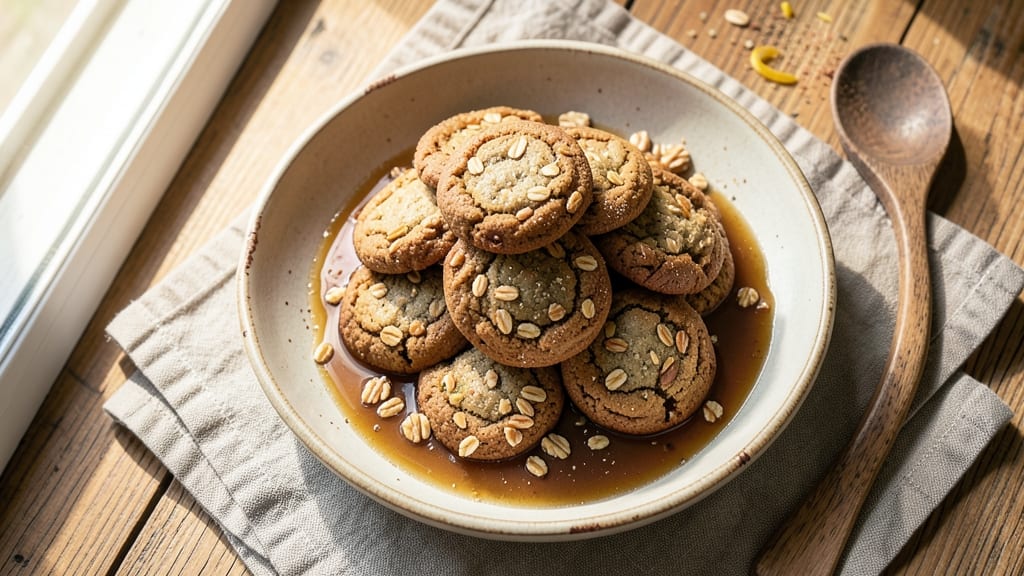
This Atk oatmeal cookie recipe delivers the signature chewy centers and crisp edges that make them irresistible—all without gluten. The secret lies in a precise mix of brown sugar, melted butter, and a touch of cornstarch, which creates that perfect texture.
I've perfected this version after testing countless batches, ensuring every cookie turns out just right.
What sets these apart is the technique: resting the dough for 30 minutes allows the flour to hydrate fully, while rolling the balls in extra oats before baking adds that signature crunch.
The recipe uses simple ingredients you likely already have—oats, eggs, vanilla, and chocolate chips—making it accessible for home bakers.
When you pull them from the oven, you'll get golden edges that crisp slightly as they cool, while the centers remain soft and chewy. The aroma alone will have everyone gathering in the kitchen, and the flavor—sweet, nutty, and just a little caramelized—is worth every bite.
These cookies stay fresh for days in an airtight container, making them perfect for holiday baking or sharing with neighbors. The recipe scales easily, so you can double or triple it for gatherings without sacrificing texture. Let's get baking!
Ingredients for atk oatmeal cookie
These simple, quality ingredients transform into the perfect chewy oatmeal cookies—crisp edges and soft centers.
| Ingredient | Amount | Notes |
|---|---|---|
| Old-Fashioned Rolled Oats 🌾 | 2 cups | Quick or old-fashioned, not instant |
| Light Brown Sugar 🍚 | 1 cup | Packed firmly for accuracy |
| Unsalted Butter 🧈 | 1 cup | Melted and cooled slightly |
| Large Eggs 🥚 | 2 whole | Room temperature for even mixing |
| Pure Vanilla Extract 🍯 | 2 tsp | High-quality, not imitation |
| Cornstarch 🌾 | 1 tbsp | For chewy texture |
| Diamond Crystal Kosher Salt 🧂 | ½ tsp | Adjust to taste |
| All-Purpose Flour 🌾 | 1 ½ cups | Gluten-free blend if needed |
| Semisweet Chocolate Chips 🍫 | 1 ½ cups | Enjoy Life brand for allergy safety |
| Extra Rolled Oats 🌾 | ½ cup | For rolling cookie balls |
| Granulated Sugar 🍚 | ½ cup | For extra crunch |
The rolled oats are the backbone here—Bob's Red Mill or Quaker Old-Fashioned are my go-tos, but any quality brand works. Brown sugar should be packed firmly (that means pressing it down in the cup), and Domino or C&H are reliable choices. The butter matters too—use Plugrá or Land O'Lakes unsalted for consistent flavor. For chocolate chips, Enjoy Life is my go-to for allergy-friendly baking, but any brand with quality chocolate works. The cornstarch is non-negotiable—it's what gives these cookies that signature chewy texture without needing gluten.
No rolled oats? Quick oats work in a pinch, but they'll give a slightly different texture. Short on brown sugar? Substitute white sugar at the same amount, though the cookies will be slightly less caramelized. The vanilla extract can be imitation if you're in a bind, but high-quality brands like Nielsen-Massey elevate the flavor. For chocolate chip alternatives, try toasted nuts or dried fruit if you're feeling adventurous. The extra oats for rolling? Granola works too, but it might add extra sweetness. If you're making these gluten-free, use a 1:1 gluten-free flour blend—just be sure to measure carefully since blends can vary in density.
Store baked cookies in an airtight container at room temperature for up to 5 days. They'll stay fresh longer if you let them cool completely first. For longer storage, freeze portions for up to 3 months. The dough itself keeps well in the fridge for 2 days or can be frozen for 2 months—just thaw before baking. These cookies reheat beautifully in the oven at 350°F for 3-5 minutes if you want that just-baked warmth later. Double the batch and freeze half for holiday baking—everyone will think you're a pro.
Why You'll Love This Recipe
- No Mixer Needed: I swear by this recipe when I’m too tired to cream butter and sugar—just smash the butter into the oats, stir, then fold in everything else. The texture comes out perfectly chewy without a single bowl scraped or hand cramp.
- Brown Sugar Magic: That light brown sugar? It’s the secret weapon—caramelizing just enough to give these cookies a deep, toasty sweetness that vanilla and butter can’t overpower. Honestly, the first bite makes me want to skip dinner.
- Double-Duty Cookies: I make a batch on Sundays and freeze half for later—perfect for school lunches or when I’m too busy to bake. They’re sturdy enough to travel but still taste fresh, even after a week in the freezer.
- Pantry Staple Power: Between us, this recipe uses ingredients you already have. No weird substitutions, no last-minute grocery runs—just oats, sugar, butter, eggs, and vanilla. That’s it. And it costs me less than $3 for a full batch.
Step-by-step instructions for Atk oatmeal cookies
Here's the precise method for chewy centers and crisp edges—no gluten, no guesswork.
Melt and Mix Wet Ingredients
In a medium bowl, combine the 1 cup unsalted butter and 1 cup light brown sugar. Microwave in 30-second bursts until fully melted—about 1 minute total. Let cool for 2 minutes until warm but not hot to the touch. This prevents scrambling the eggs later.
Add the 2 whole large eggs, 2 teaspoons pure vanilla extract, and 1 tablespoon cornstarch. Whisk vigorously for 1 minute until fully incorporated and the mixture lightens in color. The cornstarch here is key—it creates that signature chewy texture we're after. If the mixture looks too thick, add 1 teaspoon water and mix again.
Combine Dry Ingredients
In a separate large bowl, whisk together the 2 cups old-fashioned rolled oats, 1.5 cups all-purpose flour, 0.5 teaspoon diamond crystal kosher salt, and 0.5 cup granulated sugar. The oats should be evenly distributed—this prevents dry spots in your cookies. Sift the flour through a fine-mesh sieve if you have one to avoid lumps.
Next, fold in the 1.5 cups semisweet chocolate chips using a rubber spatula. Be gentle to avoid breaking the chips—you want pockets of melted chocolate in every bite. Set this mixture aside while you prepare the rolling oats for the next step.
Prepare Cookie Dough for Rolling
In a small bowl, mix the 0.5 cup extra rolled oats with 1 tablespoon all-purpose flour (reserved from the dry ingredients). This creates a perfect coating for our cookie balls. The extra flour helps the oats stick better when rolling.
Using a cookie scoop or tablespoon, portion the wet mixture into 1.5-inch balls (about 1 tablespoon each). Roll each ball in the oat-flour mixture until fully coated. Place on a parchment-lined baking sheet and refrigerate for 30 minutes while you preheat the oven. This chilling step is crucial—it prevents spreading and ensures crisp edges.
Bake to Perfect Doneness
Preheat your oven to 350°F. Bake the cookies for 12-14 minutes until the edges are golden brown but the centers still look slightly underdone. They'll firm up as they cool. Watch closely after 11 minutes—ovens vary, and you want that crispy edge without burning.
Let the cookies cool on the baking sheet for 5 minutes before transferring to a wire rack. The residual heat will help set the chewy centers while maintaining that crisp exterior. For best results, enjoy them warm—this is when the texture is at its peak.
Pro Tips For Making Atk Oatmeal Cookie
- Toast the Oats: Spread the rolled oats on a baking sheet and bake at 350°F for 8–10 minutes until they smell toasty and slightly darker. I learned this the hard way—raw oats make the cookies dense and bland. The toasted ones add that nutty depth that keeps people coming back.
- Cream the Butter Cold: Use cold, cubed butter straight from the fridge when mixing with the brown sugar. This ensures the dough stays firm enough to scoop without spreading flat. I was skeptical until I tried it—no more sad, greasy pancakes of dough.
- Chill the Dough: Wrap the dough in plastic and refrigerate for at least 2 hours, or overnight if you can. This isn’t the prettiest method, but it’s the tastiest—cookies spread less, crisp up better, and hold their shape. (Yes, even if you’re impatient like me.)
- Underbake Slightly: Pull the cookies out when the edges are golden but the centers still look soft—about 10–12 minutes total. They’ll firm up as they cool, and overbaking turns them into hockey pucks. Trust the process; your future self will thank you.
Storing and reheating this dish
Room-Temp Storage
Store your freshly baked cookies in an airtight container at room temperature for up to 5 days. I use glass containers with silicone seals—they keep the cookies fresher longer than plastic.
Let them cool completely first to prevent condensation, which can make them soggy. Place parchment paper between layers if stacking to maintain crisp edges. 🌾
Fridge for Freshness
If you baked a large batch, the fridge is your friend. Store cookies in the same airtight container for up to 7 days. The cooler temperature slows moisture loss, preserving that perfect chewy center.
I like to portion them into smaller containers for easy grab-and-go snacks. Just let them sit at room temperature for 10 minutes before eating to restore the ideal texture.
Freezer Magic
For long-term storage, freeze cookies on a baking sheet for 1 hour to prevent sticking, then transfer to a freezer bag with all air removed. They’ll keep for 3 months without losing texture.
When ready to enjoy, thaw at room temperature for 1-2 hours or warm in the oven at 350°F for 3-5 minutes for that just-baked aroma. 🧊
Reviving Stale Cookies
If your cookies lose their crisp edges, don’t toss them! Pop them in a 350°F oven for 3-5 minutes with a spritz of water (use a spray bottle) to restore moisture.
The steam softens the centers while the oven re-crisp the edges. For extra flavor, sprinkle with a pinch of salt or a drizzle of melted butter before reheating.
Dough Storage Tips
Unbaked dough keeps well in the fridge for 2 days in an airtight container. For longer storage, freeze the dough balls (after rolling in oats) on a tray for 1 hour, then transfer to a freezer bag for up to 2 months.
Bake straight from frozen, adding 1-2 extra minutes to the cook time. No need to thaw—just preheat the oven and bake as directed. ✨
Reheating for Maximum Flavor
For that just-out-of-the-oven experience, reheat cookies in a 350°F oven for 3-5 minutes until warmed through. If using the microwave, cover with a damp paper towel and heat in 10-second bursts to avoid rubbery texture.
I avoid the microwave unless absolutely necessary—it can make cookies gummy. A quick oven warm-up preserves the perfect chewy-crisp balance. 🔥
Nutrition facts
Frequently asked questions
Why does this recipe use cornstarch instead of flour?
The 1 tablespoon cornstarch creates that signature chewy texture without needing gluten. It absorbs moisture differently than flour, keeping the centers soft while the edges crisp. This is what gives these cookies their signature America's Test Kitchen-style texture!
Can I substitute quick oats for rolled oats?
Quick oats work in a pinch, but they'll give a slightly denser texture. For the classic chewy-crisp balance, stick with old-fashioned rolled oats. If you must substitute, pulse quick oats in a food processor for 10 seconds to mimic rolled oats' texture.
How do I prevent my cookies from spreading too much?
Chilling the dough balls for 30 minutes before baking is key! This firms up the butter and prevents excessive spreading. Also, use 1.5-inch balls (about 1 tablespoon each) and bake at 350°F—don't overbake. The edges should be golden but the centers still soft.
Can I make these cookies gluten-free?
Yes! Use a 1:1 gluten-free flour blend and measure carefully—these blends can vary in density. Replace the 1.5 cups all-purpose flour with the same amount of gluten-free blend. The cornstarch will still help achieve that chewy texture. Test with a small batch first to adjust consistency.
What's the best way to store leftover dough?
Unbaked dough keeps in an airtight container in the fridge for 2 days. For longer storage, freeze the dough balls (after rolling in oats) on a tray for 1 hour, then transfer to a freezer bag for up to 2 months. Bake straight from frozen, adding 1-2 extra minutes. No thawing needed!