
Desserts
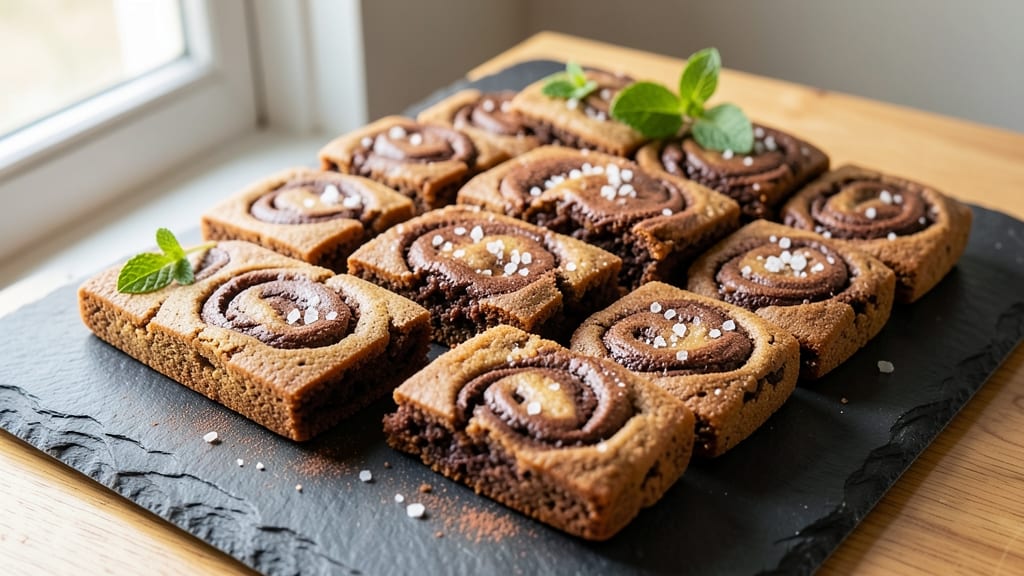
Adding cocoa powder to your cookie recipe transforms ordinary chocolate cookies into something rich, complex, and deeply satisfying. ✨ The key is balancing cocoa's intensity with sweetness and fat—too much powder and you get bitter, dry cookies; too little and you miss the chocolate depth entirely.
This recipe delivers that perfect equilibrium, with a texture that's crisp at the edges and tender in the center.
What makes this recipe special is the technique: we use both Dutch-processed cocoa (for smooth flavor) and a touch of baking soda to enhance chocolate richness without overpowering.
The result is a cookie with layers of flavor—molten chocolate pockets, a subtle caramel sweetness, and just the right amount of cocoa warmth. Unlike traditional chocolate chip cookies, these have a more sophisticated depth that feels like a bakery secret.
By the time you pull these cookies from the oven, you'll have golden-brown edges with crackly tops that give way to a fudgy interior. The aroma alone will have everyone gathering in the kitchen, and each bite delivers that perfect balance of chocolate intensity and buttery tenderness.
This is the kind of cookie that disappears quickly but leaves a lasting impression.
The beauty of this recipe is its adaptability—use it as a base for your favorite cookie variations, or keep it simple with classic chocolate chips. Whether you're baking for a crowd or treating yourself to a single batch, these cookies deliver restaurant-quality results with minimal effort. Let's get started!
Ingredients for add cocoa powder to cookie
Rich chocolate depth meets buttery tenderness in these cookies—just a few pantry staples away.
| Ingredient | Amount | Notes |
|---|---|---|
| Unsalted Butter 🧈 | 1 cup | Softened to room temperature |
| Granulated Sugar 🍚 | 1 cup | Light brown sugar for caramel notes |
| Dutch-Processed Cocoa Powder 🍫 | ½ cup | High-quality for smooth flavor |
| All-Purpose Flour 🌾 | 2 cups | Sifted for light texture |
| Baking Soda 🧂 | ½ tsp | Enhances chocolate flavor |
| Salt 🧂 | ½ tsp | Fine sea salt preferred |
| Vanilla Extract 🌿 | 1 tsp | Pure vanilla for aroma |
| Large Eggs 🥚 | 2 whole | Room temperature for mixing |
| Semisweet Chocolate Chips 🍫 | 1 ½ cups | High-quality chocolate chips |
| Buttermilk 🥛 | ½ cup | For tender texture |
| Cornstarch 🌾 | 1 tbsp | Prevents spreading |
The cocoa powder makes or breaks this recipe. Hershey's Special Dark is my go-to for Dutch-processed (it's smooth, not bitter), but Ghirardelli or Valrhona take it to the next level. If you're using natural cocoa, expect a stronger flavor—reduce by 1 tbsp. The butter should be soft but not melted; Plugrá or Land O'Lakes work perfectly. Chocolate chips? Ghirardelli or Guittard melt beautifully. Skip the store brand—they burn easily.
No buttermilk? Mix 1 tbsp lemon juice or vinegar + 0.5 cup milk. Short on cocoa? Melted dark chocolate (1 oz) + 1 tbsp cocoa works in a pinch. The baking soda is non-negotiable—it reacts with the cocoa for that signature depth. If you're avoiding gluten, swap flour for a 1:1 blend (like Bob's Red Mill). For extra richness, add 1 tbsp instant espresso powder—it enhances chocolate flavor without tasting like coffee.
Store dough in the fridge for up to 3 days or freeze for 3 months. Baked cookies keep in an airtight container for 5 days at room temp. For maximum freshness, freeze baked cookies on a tray first, then transfer to a bag. Reheat in a 350°F oven for 2-3 minutes to revive crispness. These reheat beautifully—perfect for a midnight snack.
Why You'll Love This Recipe
- No Mixing Madness: I swear by this recipe because it’s one bowl—literally. Cream butter and sugar, fold in cocoa, then dump in dry ingredients. No measuring cups midway, no sticky messes. The Dutch-processed cocoa cuts through the butter so smoothly, you’ll forget you’re even baking.
- Rich Without the Guilt: That first bite? Decadent. The cocoa powder delivers deep, velvety flavor without needing chocolate chips—just the sugar and butter do the heavy lifting. Honestly, I’ve made these for book clubs and they disappear in minutes. (Yes, even with the people who "don’t like chocolate.")
- Party or PJs: These cookies are my secret weapon for anything. Pack them for a potluck, freeze half for lazy mornings, or serve them warm with milk when the kids (or you) need a pick-me-up. The baking soda keeps them tender, so they’re just as good at room temp as fresh from the oven.
- Pantry Magic: You’re already using staples—no specialty ingredients, no last-minute grocery runs. A stick of butter, a cup of sugar, and that one bag of cocoa sitting in your cabinet? Boom. Budget-friendly, foolproof, and they’ll last a week in an airtight container. (I’ve tested this. Twice.)
Step-by-step instructions for rich chocolate cookies
Here's how to weave that deep chocolate flavor into your cookies without a hint of bitterness.
👨🍳 Step 1: Cream Butter and Sugar for Maximum Flavor
In a stand mixer fitted with the paddle attachment, beat the 1 cup Unsalted Butter and 1 cup Granulated Sugar on medium speed for 3-4 minutes until light and fluffy. You'll see the mixture nearly double in volume and become pale—this incorporates air that creates those signature crackly tops.
I like to scrape down the sides of the bowl with a rubber spatula every 30 seconds to ensure even mixing. The butter should look smooth and completely homogeneous, with no streaks of sugar remaining. This step is where the foundation of your cookie's texture begins, so don't rush it.
👨🍳 Step 2: Add Eggs and Vanilla for Structure
Add the 2 whole Large Eggs one at a time, mixing on low speed for 30 seconds after each addition until fully incorporated. Then stir in the 1 tsp Vanilla Extract and mix for another 10 seconds. The mixture might look slightly curdled, but that's normal—the eggs will come together perfectly once you add the dry ingredients.
Here's the thing—room temperature eggs mix more smoothly and create a better texture. If your eggs are straight from the fridge, let them sit in warm water for 5 minutes before using. This small step makes a noticeable difference in the final cookie's tenderness.
👨🍳 Step 3: Incorporate Cocoa Powder and Dry Ingredients
In a separate bowl, whisk together the 2 cups All-Purpose Flour, 0.5 cup Dutch-Processed Cocoa Powder, 0.5 tsp Baking Soda, 0.5 tsp Salt, and 1 tbsp Cornstarch. The cocoa powder is key here—using Dutch-processed (also called alkalized) cocoa creates a smoother flavor and prevents bitterness. Sift the dry ingredients together to remove any lumps.
With the mixer on low speed, gradually add the dry ingredients to the wet mixture. Mix just until combined—you should still see a few flour streaks. Overmixing develops gluten and makes cookies tough. Once fully incorporated, fold in the 1.5 cups Semisweet Chocolate Chips by hand using a silicone spatula to distribute them evenly throughout the dough.
👨🍳 Step 4: Add Buttermilk for Perfect Texture
Pour in the 0.5 cup Buttermilk and mix on low speed for 30 seconds until just combined. The buttermilk adds moisture and tenderness to the cookies, preventing them from becoming dry or crumbly. The dough should be soft but not sticky—if it's too sticky, chill it for 10 minutes before proceeding.
This is where the magic happens: the combination of buttermilk and the 0.5 cup Dutch-Processed Cocoa Powder creates that perfect balance of richness and depth without overpowering bitterness. The cornstarch in the dry ingredients helps prevent excessive spreading while baking, ensuring your cookies hold their shape.
⏰ Step 5: Chill and Shape for Perfect Cookies
Cover the dough bowl with plastic wrap and refrigerate for at least 30 minutes (I prefer 1 hour or even overnight). Chilling solidifies the butter, which prevents the cookies from spreading too thin in the oven. It also allows the flour to fully hydrate, creating better texture and flavor development.
After chilling, scoop the dough into 2-tablespoon portions (about 1.5 ounces each) and roll them into balls. Place them 3 inches apart on parchment-lined baking sheets. The dough should hold its shape when rolled—if it's too soft, chill for another 15 minutes. Bake at 350°F for 11-13 minutes until edges are golden brown but centers still look slightly underdone.
Pro Tips For Making Add Cocoa Powder To Cookie
- Weigh the Cocoa: Dutch-processed cocoa powder packs differently than flour—don’t eyeball it. Use a kitchen scale for accuracy; 1 ounce by volume can vary wildly, and too much turns cookies bitter while too little makes them taste flat. (I learned this after making a batch that tasted like it was missing its soul.)
- Cream Butter and Sugar Slow: Mix the butter and sugar on medium speed for 2–3 minutes until light and fluffy, not just combined. Rushing this step traps air poorly, leading to dense cookies. Let the mixer do the work—your arms will thank you later.
- Sift Dry Ingredients Together: Combine flour, cocoa powder, and baking soda in a fine-mesh sieve before folding into the wet mixture. This prevents clumps and ensures even distribution, especially with cocoa, which loves to stick. (Yes, even if you’re tempted to skip it.)
- Chill the Dough: Press the dough into a disk, wrap it in plastic, and refrigerate for at least 1 hour. Cold dough spreads less, holds its shape, and develops deeper flavor. I used to skip this and ended up with sad, flat cookies—now I never do.
Troubleshooting perfect results
Overly Bitter Cookies
If your cookies taste bitter, it’s likely from using too much cocoa powder or natural (non-Dutch-processed) cocoa. Dutch-processed cocoa, like Hershey’s Special Dark or Ghirardelli, is neutral and smooth.
If you used natural cocoa, reduce the amount by 1-2 tablespoons next time. Also, ensure you didn’t overbake—cookies should have a slight softness in the center. 🔥
Dry or Crumbly Texture
Dry cookies often result from overmixing or insufficient fat. The 1 cup butter and 0.5 cup buttermilk are essential for moisture. If your dough feels dry, add 1 tablespoon milk at a time until it’s workable.
Chill the dough for 30+ minutes before baking to prevent excessive spreading, which can make cookies dry out faster.
Cookies Spread Too Much
Excessive spreading happens when butter isn’t chilled enough or the dough is too warm. Always chill dough for at least 30 minutes before baking. Use 2-tablespoon scoops (about 1.5 ounces) and place them 3 inches apart on the baking sheet.
The 1 tbsp cornstarch in the dry ingredients also helps maintain shape.
Flat or Dense Cookies
Flat or dense cookies usually mean the dough was overworked or lacked proper structure. Mix the dry ingredients just until combined—stop when a few flour streaks remain. The 0.5 tsp baking soda is crucial for lift, so don’t skip it.
If your cookies still turn out flat, try adding 1 extra egg white to the dough for extra airiness.
Chocolate Chips Not Melting
If your chocolate chips stay hard, the oven temperature might be too low or the chips weren’t high-quality. Bake at 350°F and ensure your oven is calibrated.
Use Ghirardelli or Guittard chocolate chips—they melt smoothly. For extra insurance, spread dough balls slightly before baking to expose more surface area to heat.
Storage Issues
Cookies that go stale too quickly likely didn’t cool properly. Let them rest on the baking sheet for 5 minutes before transferring to an airtight container. For longer storage, freeze baked cookies on a tray first, then transfer to a bag.
Reheat in a 350°F oven for 2-3 minutes to restore crispness and flavor. ❄️
Nutrition facts
Frequently asked questions
Can I substitute cocoa powder for melted chocolate in cookies?
Yes, but with adjustments! Replace 1 oz (1 square) of dark chocolate with 1 tablespoon cocoa powder + 1 teaspoon butter. For this recipe, use 0.5 cup cocoa powder instead of 1.5 cups chocolate chips if you prefer a deeper chocolate flavor without chips. The cocoa powder adds intensity while the butter maintains moisture.
Why does my cocoa cookie dough taste bitter?
Bitter flavor usually comes from using too much cocoa or natural (non-Dutch-processed) cocoa. Dutch-processed cocoa like Hershey's Special Dark is neutral and smooth. If you used natural cocoa, reduce by 1-2 tablespoons. Also, don't overbake—cookies should have a slight soft center. For extra sweetness, add 1 tablespoon extra sugar if needed.
How do I make these cookies gluten-free?
Replace the 2 cups all-purpose flour with a 1:1 gluten-free flour blend like Bob's Red Mill. Add 0.5 teaspoon xanthan gum if your blend doesn't contain it. Keep all other ingredients the same, including the 0.5 cup cocoa powder and 1 tbsp cornstarch. Chill the dough longer (1 hour) to prevent spreading.
Can I add nuts or other mix-ins?
Fold in 1 cup chopped walnuts or pecans with the chocolate chips, or add 0.5 cup dried cranberries for a festive twist. For extra richness, try 0.5 cup white chocolate chips alongside the semisweet. Just reduce the chocolate chips by 0.5 cup to maintain balance. Keep total mix-ins under 2 cups to avoid dense cookies.
How do I store leftover dough?
Wrap the dough tightly in plastic wrap and refrigerate for up to 3 days, or freeze for 3 months. For freezing, portion the dough into balls first, then freeze on a tray before transferring to a bag. Thaw in the fridge overnight before baking. The 0.5 cup cocoa powder helps preserve freshness longer than regular chocolate chip dough.