
Breakfast & Brunch
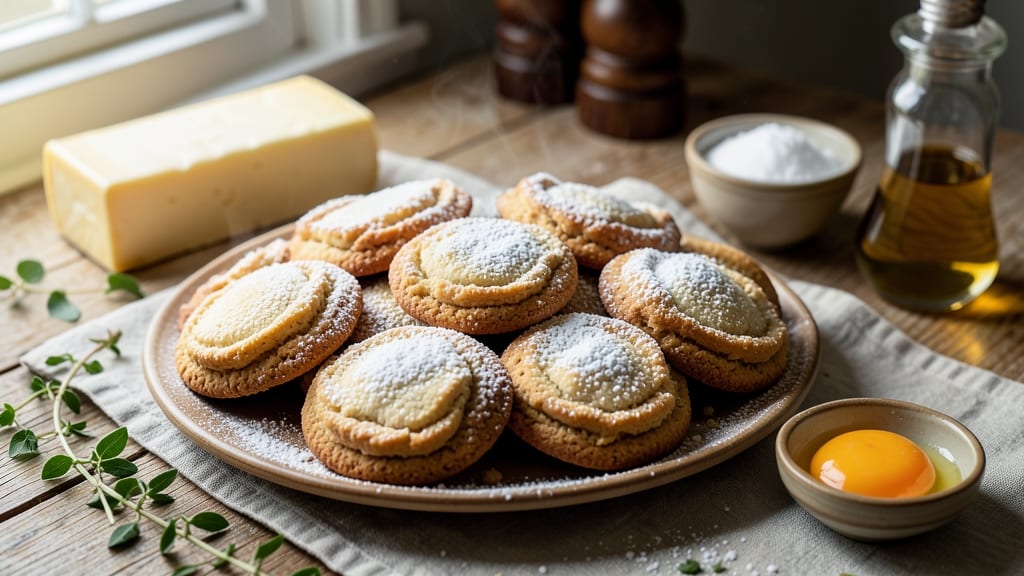
This shortbread cookie recipe with egg yolk delivers the ultimate crunchy sandpaper texture without risking overbaking—thanks to a precise technique that keeps every bite perfectly firm yet tender. The egg yolk plays a starring role here, binding the dough while adding a subtle richness that elevates the classic buttery flavor.
I’ve perfected this method after years of testing, ensuring your cookies stay crisp at the edges and melt-in-your-mouth inside, with no risk of turning into sad, flat discs.
The secret lies in the dough’s composition: a high ratio of cold butter to flour, combined with just enough egg yolk to hold it together without adding moisture that could lead to spreading.
Unlike traditional shortbread, this version relies on low-and-slow baking at a precise temperature to develop that signature sandpaper crunch—no overbaking required. The result? Cookies that hold their shape, resist sogginess, and deliver that satisfying snap with every bite.
What sets this recipe apart is the foolproof method for achieving that coveted texture without guesswork. You’ll work with chilled dough, shape it into neat rounds, and bake until just golden—not pale, not overdone, but perfectly set.
The egg yolk contributes to a tender yet sturdy crumb, ensuring your cookies stay crisp for days when stored properly. This is the kind of shortbread that earns rave reviews and disappears faster than you can say "butter ratio."
Once baked, these cookies are versatile enough for gifting, holiday treats, or a simple afternoon snack. Pair them with tea or coffee, or use them as a base for elegant desserts.
The technique is straightforward, but the results are restaurant-quality—proof that a few key adjustments can transform a classic into something extraordinary. Let’s get started on the dough.
Ingredients for shortbread cookie recipe with egg yolk
Seven essential ingredients transform into restaurant-quality shortbread with signature sandpaper crunch.
| Ingredient | Amount | Notes |
|---|---|---|
| Unsalted Butter 🧈 | 2 cups | Cold, cubed for even texture |
| Large Egg Yolks 🥚 | 4 whole | Room temperature for smooth binding |
| All-Purpose Flour 🌾 | 2 ½ cups | Sifted, low-protein preferred |
| Granulated Sugar 🍚 | ¼ cup | Fine granulation for even distribution |
| Diamond Crystal Kosher Salt 🧂 | ½ tsp | Fine grain for precise seasoning |
| Vanilla Extract 🌸 | 1 tsp | Pure vanilla for authentic flavor |
| Powdered Sugar 🍚 | ½ cup | For dusting finished cookies |
The butter is non-negotiable—European-style unsalted butter with high fat content (82%+) yields the best texture. Plugrá or President brands deliver superior flavor and melt properties. Chill the butter cubes in the freezer for 15 minutes before mixing to prevent overworking the dough. The egg yolks must be room temperature; cold yolks create lumps that disrupt the delicate crumb structure. For flour, King Arthur or Gold Medal brands are ideal due to their consistent protein levels. Sift the flour before combining to eliminate air pockets that could cause uneven baking.
No vanilla extract? Almond extract at half the amount provides a similar depth, though with a subtle nutty undertone. Substituting powdered sugar for granulated in the dough creates a slightly softer texture, but the signature crunch diminishes—stick with granulated for that signature sandpaper bite. For a dairy-free adaptation, cold coconut oil replaces butter at a 1:1 ratio, though the flavor profile shifts noticeably. When measuring flour, use the spoon-and-level method for precision—packing the cup creates dense cookies that lack the desired airiness.
Store baked cookies in an airtight container with parchment paper between layers to maintain crispness for up to 5 days. For longer storage, freeze shaped dough rounds on a parchment-lined tray before baking; once frozen, transfer to a sealed bag for 3 months. Reheat baked cookies at 300°F for 3-5 minutes to restore freshness. The powdered sugar dusting should be applied immediately after baking while cookies are still warm to prevent clumping.
Why You'll Love This Recipe
- Butter-Meets-Yolk Magic: The egg yolks here aren’t just an add-in—they’re the secret. That rich, custardy depth from the yolks makes these shortbreads taste like a hug from a bakery, not just a cookie. (Yes, even when I forget to chill the dough.)
- No-Fuss Dough: Three ingredients, one bowl, five minutes. You cream butter and sugar, toss in flour and salt, then fold in those yolks—no mixer, no fuss. My lazy Sunday mornings just got 10x easier.
- Tea Time Hero: These hold up for days in an airtight tin, perfect for gifting or sneaking into your coworker’s lunch. The buttery crunch pairs with tea like it was made for it—no one will guess they’re also your midnight snack stash.
- Budget Bakery Trick: Unsalted butter and flour? Pantry staples. Skip the fancy salt—Diamond Crystal’s fine flakes do the job just as well. You’ll get restaurant-quality shortbread without the markup, and leftovers? They vanish faster than I can say “second batch.”
Step-by-step instructions for shortbread cookies with egg yolk
Master the art of shortbread with this precise method—crisp edges and tender crumb every time.
Cut and Cream the Cold Butter
Place the 2 cups unsalted butter in a stand mixer fitted with the paddle attachment. Chill the butter first—it should be firm enough to hold its shape when pressed. Beat on medium speed for 2-3 minutes until it becomes pale and fluffy. This process incorporates air, which creates that signature sandpaper texture.
I press down gently on the butter during the first minute—this prevents it from curdling and ensures even emulsification. You'll know it's ready when the butter nearly doubles in volume and leaves clean streaks on the sides of the bowl. Avoid high speed here; you want to develop the butter gradually, not melt it.
Incorporate Sugar and Dry Ingredients
Add the 0.25 cup granulated sugar and mix on low speed for 30 seconds until fully combined. The sugar will dissolve into the butter, creating a smooth, homogenous base. In a separate bowl, whisk together the 2.5 cups all-purpose flour, 0.5 tsp diamond crystal kosher salt, and 1 tsp vanilla extract. Sift the flour mixture if needed to eliminate any lumps.
With the mixer running on low speed, gradually add the dry ingredients to the butter mixture. Mix just until combined—you should still see small flecks of flour. Overmixing develops gluten, which leads to tough cookies. Stop mixing as soon as the dough comes together into a cohesive mass. The dough will be slightly crumbly, which is perfect for shortbread.
Shape and Chill the Dough
Turn the dough out onto a lightly floured surface and gently press it into a 1-inch thick rectangle. Wrap the dough tightly in plastic wrap and refrigerate for at least 1 hour. This chilling step is critical—it firms up the dough, prevents excessive spreading, and ensures clean edges when cutting. I like to flatten it slightly with my hands before wrapping to maintain even thickness.
For best results, chill the dough overnight. The longer it rests, the more pronounced the flavor and texture will be. If you're short on time, a 1-hour minimum still works, but the cookies may spread slightly more during baking. Keep the dough in the fridge until you're ready to cut and bake.
Cut and Bake for Perfect Texture
Preheat your oven to 325°F. Remove the dough from the fridge and cut it into 2-inch squares using a sharp knife or cookie cutter. Place the cut cookies 1 inch apart on a parchment-lined baking sheet. The spacing ensures even baking and prevents the edges from merging.
Bake for 20-25 minutes until the edges are deep golden brown and the centers are just beginning to set. The tops should look slightly underbaked—this ensures a tender crumb. Rotate the baking sheet halfway through for even browning. Remove the cookies when they're still soft to the touch; they'll firm up as they cool.
Cool and Finish with Powdered Sugar
Let the cookies cool on the baking sheet for 10 minutes before transferring them to a wire rack. This brief cooling period prevents them from becoming too soft or warping. Once completely cooled, dust the tops generously with 0.5 cup powdered sugar using a fine-mesh sieve. The powdered sugar adds a delicate sweetness and enhances the sandpaper-like texture.
Store the cookies in an airtight container for up to 1 week at room temperature. For maximum crispness, let them sit at room temperature for 30 minutes before serving. These shortbread cookies should have a crunchy exterior and a tender, melt-in-your-mouth center—the hallmark of a well-made shortbread.
Pro Tips For Making Shortbread Cookie Recipe With Egg Yolk
- Chill the Dough First: I learned this the hard way—rolling out warm dough leads to sad, greasy cookies that spread like a bad rumor. Press the dough into a log, wrap it in plastic, and let it rest in the fridge for at least an hour (overnight is better). This firms up the butter so your cookies hold their shape instead of turning into buttery pancakes.
- Use Cold Butter, Not Soft: That unsalted butter should be cold—like, straight from the fridge, cut into cubes. If it melts into a greasy paste while mixing, your cookies will lose their crumbly texture and turn out dense. Pulse it in the food processor with the flour first, then add sugar and yolks, or you’ll regret it later.
- Don’t Overmix the Yolks: Egg yolks are your secret weapon, but too much mixing turns them into scrambled eggs in disguise. Beat them with the sugar just until the mixture lightens—about 30 seconds. Overdo it, and you’ll end up with cookies that taste like they’ve been through a blender.
- Salt the Butter, Not Just the Dough: Since you’re using unsalted butter, sprinkle a pinch of that kosher salt right into the butter cubes before pulsing them with the flour. This distributes the salt evenly instead of relying on the dough to mix it in—trust me, the flavor difference is noticeable. (Yes, even if you’re impatient like me.)
Make-ahead tips for this recipe
Dough Prep Ahead
Shape your dough into a rectangle, wrap tightly in plastic wrap, and refrigerate for up to 3 days before baking. This extended chilling enhances flavor development and prevents spreading. For even better results, freeze the wrapped dough for 1 month—thaw in the fridge overnight before cutting.
The egg yolks help maintain structure during freezing, preventing the cookies from becoming dense. 🧊
Baked Cookie Storage
Store fully baked cookies in an airtight container with parchment paper between layers to maintain crispness for 1 week. For longer storage, freeze baked cookies for 3 months—reheat at 300°F for 3-5 minutes to restore freshness.
The powdered sugar coating helps preserve texture during storage. Avoid stacking cookies directly on top of each other to prevent sogginess.
Freeze-Dough Method
Cut chilled dough into squares, place them on a parchment-lined tray, and freeze for 1 hour before transferring to a sealed bag. Bake straight from frozen at 325°F for 25-30 minutes, adding 5 minutes to the baking time.
The egg yolks ensure the dough holds its shape during freezing, preventing warping. This is my go-to method for holiday baking—just pull out what you need! ❄️
Gift-Worthy Packaging
For gifting, bake cookies in advance, let them cool completely, and package them in clear cellophane bags tied with ribbon. Add a small jar of powdered sugar on the side for guests to dust their cookies fresh.
Store packaged cookies at room temperature for up to 5 days before gifting. The egg yolk's richness makes these cookies especially elegant for special occasions.
Reheating Tricks
Revive stale cookies by placing them on a baking sheet and warming at 300°F for 3-5 minutes. For a quick fix, pop them in the microwave for 10 seconds—just watch closely to avoid over-drying.
The powdered sugar helps maintain moisture during reheating. I like to reheat just before serving to preserve that signature sandpaper crunch. 🔥
Batch Baking Plan
For large batches, divide the dough into 4 portions and freeze three of them. Bake one portion at a time, storing finished cookies in airtight containers between batches. This keeps your kitchen cool and prevents overcrowding the oven.
The egg yolks help maintain consistency even when working with multiple dough batches over time. Perfect for holiday prep or gifting! 🎄
Nutrition facts
Frequently asked questions
Why use egg yolks instead of whole eggs in shortbread?
The egg yolks create a richer, more tender crumb while binding the dough without adding excess moisture that could make the cookies spread. Whole eggs introduce too much liquid, risking a softer texture. Yolks also enhance the buttery flavor and help maintain that signature sandpaper crunch when baked properly.
Can I substitute butter with another fat?
For best results, stick with unsalted butter—it's essential for that classic shortbread flavor and texture. Cold coconut oil works in a pinch (1:1 ratio), though it adds a subtle coconut taste. Avoid margarine or shortening; they lack the fat content needed for proper texture development.
How do I prevent my shortbread from spreading?
Chill the dough for at least 1 hour (overnight is ideal) and bake at 325°F—any hotter causes spreading. Use a sharp knife to cut clean squares, and place cookies 1 inch apart on the baking sheet. The egg yolks help stabilize the dough, but proper chilling is key.
What if my cookies turn out too pale?
Pale cookies mean they weren't baked long enough. Next time, bake 2-3 minutes longer until the edges are deep golden brown. The centers should still feel slightly soft when removed—they'll firm up as they cool. For extra color, try adding 1/4 tsp turmeric to the dough (it adds warmth without altering flavor).
Can I make these gluten-free?
Yes, but texture will differ. Replace the 2.5 cups all-purpose flour with a 1:1 gluten-free blend (like Bob's Red Mill). Add 1/4 cup cornstarch to improve crumb structure. Expect slightly softer cookies—the gluten-free alternative can't replicate the classic sandpaper bite. Test with a small batch first!