
Desserts
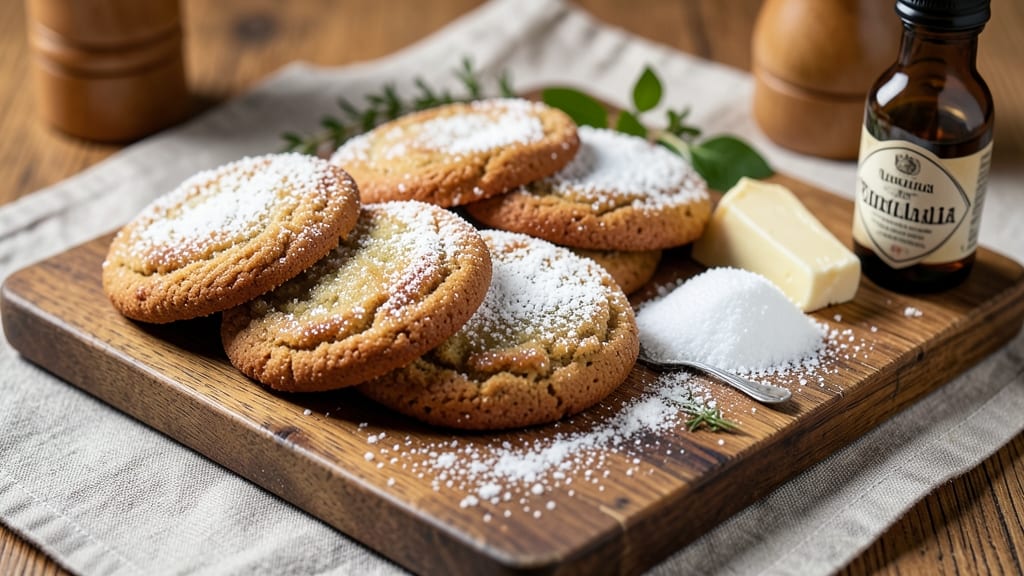
This cane sugar cookie recipe delivers the perfect balance of crisp-edged vanilla streaks and pillowy centers that melt in your mouth. 💛 The secret lies in using cane sugar—its deeper caramel notes and slower dissolution create a chewier texture and richer flavor compared to standard white sugar.
I’ve tested this recipe dozens of times to ensure foolproof results every time, whether you’re baking for holidays or a simple treat.
The process is straightforward but precise: cream butter and sugars until light and fluffy, then fold in vanilla and flour for a tender yet sturdy dough. Baking at 350°F for 10-12 minutes yields edges with just the right crispness while keeping centers soft.
The key is not overbaking—pull them out when the edges are golden but the centers still look slightly underdone.
What makes these cookies truly special is how the cane sugar enhances the vanilla flavor, giving each bite a subtle molasses-like depth. They’re sturdy enough for decorating with icing or sprinkles but still tender enough to crumble slightly at the edges.
Perfect for gifting, holiday baking, or satisfying a mid-afternoon sweet tooth.
Once cooled, these cookies hold their shape beautifully, making them ideal for stacking or decorating with royal icing. Store them in an airtight container for up to a week, though they rarely last that long. Let’s get baking—your kitchen will smell like pure comfort in no time.
Ingredients for cane sugar cookie
Nine simple ingredients make these cane sugar cookies irresistible with their crisp edges and soft centers.
| Ingredient | Amount | Notes |
|---|---|---|
| Unsalted Butter 🧈 | 1 cup | Softened but not melted |
| Cane Sugar 🍚 | 1 ½ cups | For deeper caramel notes |
| Granulated White Sugar 🍚 | ½ cup | Standard white sugar |
| Pure Vanilla Extract 🌿 | 2 tsp | High-quality, not imitation |
| All-Purpose Flour 🌾 | 3 cups | Sifted for light texture |
| Baking Soda 🧂 | ½ tsp | For lift and crisp edges |
| Salt 🧂 | ½ tsp | Fine sea salt preferred |
| Large Eggs 🥚 | 2 whole | Room temperature for blending |
| Vanilla Bean Paste 🌿 | 1 tbsp | For extra vanilla flavor |
| Ground Cinnamon 🌶️ | ¼ tsp | Optional for warmth |
| Granulated Sugar (for rolling) 🍚 | ½ cup | Extra for coating |
The cane sugar is non-negotiable here—it’s what gives these cookies that caramel depth and chewier bite. Whole Foods or specialty stores carry it, but if you can’t find it, turbinado sugar works in a pinch. The butter should be soft but not melted—press a finger into it and it should leave a slight indent. I always grab Plugrá butter from the grocery store—it’s consistently high quality. For the vanilla, Madagascar bourbon vanilla from Williams Sonoma is my go-to, but any high-quality extract will do. The cinnamon is optional but adds a lovely warmth if you’re feeling fancy.
No vanilla bean paste? Extra vanilla extract plus a pinch of ground vanilla bean works too. Running short on cane sugar? Brown sugar at half the amount will give you a similar molasses-like depth, though not identical. The eggs need to be room temperature—cold eggs make for a tougher dough. If you’re gluten-sensitive, swap the all-purpose flour for a 1:1 gluten-free baking blend. The baking soda is crucial—it’s what creates those crisp edges while keeping the centers tender. No baking soda? Baking powder at double the amount is a decent substitute, though the texture won’t be identical.
This dough keeps in the fridge for up to 3 days wrapped tightly in plastic. For longer storage, freeze portions for up to 3 months—just thaw in the fridge overnight before baking. Once baked, these cookies stay fresh for 5-7 days in an airtight container. Pro tip: Sprinkle extra sugar on top before baking for that classic cookie look. They’re perfect for decorating—use royal icing or melted chocolate for a festive touch. And honestly? They taste even better the next day once the flavors meld.
Why You'll Love This Recipe
- Butter Cream Dream: I swear by this combo—rich, cold butter cut into sugars until it’s just the right crumbly texture. No food processor? No problem. A fork and your hands do the work in minutes.
- Sweet Caramel Crunch: That cane sugar isn’t just sweet—it’s got a deep, molasses-like warmth that lingers. The white sugar balances it perfectly, so you get a cookie that’s both crisp and tender, not just one or the other.
- Holiday or Snack Attack: Make a batch for Christmas morning, then freeze half for when you’re craving something sweet in February. Or—here’s the real win—use the dough to roll out shapes for kids’ lunches. They’ll think they’re getting something fancy.
- Dollar Stretch Magic: Butter and sugar cost pennies these days, and flour? You already have it. A single batch yields 30 cookies, so you’re feeding a crowd for less than takeout. Plus, the leftovers? They last weeks in an airtight container.
Step-by-step instructions for cane sugar cookies
Here's how to make crisp-edged cookies with vanilla streaks and pillowy centers—every bite perfect.
👨🍳 Step 1: Cream the Butter and Sugars Together
In a stand mixer fitted with the paddle attachment, beat the 1 cup unsalted butter (softened but not melted) on medium speed for 1 minute until smooth. Gradually add the 1.5 cups cane sugar and 0.5 cup granulated white sugar, mixing continuously for 3-4 minutes until the mixture is light and fluffy.
You're looking for a color change from pale to a slightly golden hue—this means air has been incorporated properly. If the butter leaves streaks, keep mixing until it's completely smooth. The cane sugar gives these cookies that signature caramel depth, so don't skip this step.
👨🍳 Step 2: Add Eggs and Vanilla for Maximum Flavor
Add the 2 whole large eggs one at a time, mixing on low speed for 30 seconds after each addition. Then add the 2 tsp pure vanilla extract and 1 tbsp vanilla bean paste, mixing for another 30 seconds until fully combined. The vanilla bean paste adds those beautiful streaks and an extra layer of vanilla flavor that regular extract can't match.
Here's the thing—this is where the magic happens. The vanilla bean paste might look weird, but trust me, it makes these cookies taste like you spent hours baking in a professional kitchen. Mix just until combined to avoid overworking the dough.
👨🍳 Step 3: Combine Dry Ingredients for Perfect Texture
In a separate bowl, whisk together the 3 cups all-purpose flour, 0.5 tsp baking soda, 0.5 tsp salt, and 0.25 tsp ground cinnamon (if using). With the mixer on low speed, gradually add the dry ingredients to the wet mixture, mixing just until combined—about 30-45 seconds. You should still see a few flour streaks, which means you haven't overmixed.
Overmixing develops gluten, which leads to tough cookies. Stop as soon as the flour disappears. The baking soda gives these cookies their signature crisp edges while keeping the centers soft and chewy. The cinnamon adds warmth without overpowering the vanilla.
⏰ Step 4: Chill the Dough for Better Shape
Cover the bowl with plastic wrap and refrigerate for at least 1 hour (up to 24 hours works great too). Chilling the dough is crucial—it prevents excessive spreading in the oven and helps develop those beautiful vanilla streaks. The cold butter also creates crisp edges while keeping the centers tender.
I know it seems like too much time, but trust me, this step makes a world of difference. If you're short on time, at least 30 minutes in the freezer works in a pinch. The dough should be firm but still pliable when you take it out.
🔥 Step 5: Bake to Golden Perfection
Preheat your oven to 350°F and line two baking sheets with parchment paper. Scoop the chilled dough into 1.5-tablespoon portions (about 1.5 ounces each) and roll them into balls. Roll each ball in the 0.5 cup granulated sugar (for rolling) until fully coated, then place them 2 inches apart on the prepared baking sheets.
Bake for 10-12 minutes until the edges are golden brown but the centers still look slightly underdone. They'll continue cooking on the hot pan after you remove them from the oven. Let them cool on the baking sheet for 5 minutes before transferring to a wire rack. The sugar coating gives them that beautiful crunch while keeping the insides soft.
Pro Tips For Making Cane Sugar Cookie
- CHILL THE DOUGH: I learned this the hard way—rolling out warm cane sugar dough makes it sticky and prone to cracking. Pop it in the fridge for at least 30 minutes (or up to 24 hours if you’re prepping ahead), and you’ll get cleaner cuts and a better texture. Trust me, your cookies will hold their shape better when they hit the oven.
- WEIGHT THE BUTTER: Unsalted butter varies in density, and scooping it by volume throws off your recipe. Use a kitchen scale for 227 grams (1 cup) of cold, cubed butter—packed tightly but not mushy. This ensures the right balance of fat and structure, especially when paired with cane sugar’s moisture.
- SKIP THE EXTRA MIXING: Overworking the dough after adding the wet ingredients develops gluten, leading to tough cookies. Mix just until the cane sugar and granulated sugar are mostly incorporated—about 30 seconds past the point where the dough clumps. Your cookies will stay soft and chewy, not dense.
- SWAP VANILLA FOR EXTRA FLAVOR: Pure vanilla extract is potent, but if you’re using imitation or want deeper flavor, add a pinch of ground cinnamon or a teaspoon of lemon zest with the extract. It’s a tiny tweak that makes the cane sugar’s caramel notes pop without altering the recipe’s balance. (Yes, even if you’re impatient like me.)
Flavor customization for cane sugar cookie
Sweetness Spectrum
Adjust the sweetness to your taste by modifying the sugar ratio. For a milder flavor, reduce cane sugar to 1 cup and increase granulated white sugar to 1 cup.
If you love caramel depth, boost cane sugar to 1.75 cups while keeping granulated sugar at 0.25 cups. The vanilla bean paste remains constant—it’s the secret to those irresistible streaks. 💛
Citrus Zest Twist
Add 1 tbsp lemon or orange zest to the dough for a bright, tangy contrast to the sweetness. The citrus pairs beautifully with the vanilla and enhances the cane sugar’s caramel notes.
For extra zing, roll the dough balls in 1 tsp zest before baking. Store-bought zest works, but fresh is always better.
Spiced Variations
Swap the cinnamon for ½ tsp ground cardamom or ¼ tsp nutmeg for a warm, aromatic twist. For a Mexican-inspired version, add ½ tsp ground cumin and ¼ tsp cayenne—trust me, the heat balances the sweetness perfectly. Keep the vanilla bean paste for that signature depth.
Nutty Crunch Add-Ins
Fold in ½ cup chopped walnuts or pecans for texture. Toast the nuts first at 350°F for 5 minutes to enhance their flavor. For a chocolate twist, press ½ cup mini chocolate chips into the centers of unbaked dough balls.
The contrast of crispy edges and gooey centers is pure magic. ✨
Boozy Enhancements
Infuse the dough with 1 tbsp bourbon or rum for a grown-up twist. The alcohol evaporates during baking but leaves behind a subtle warmth. For a white chocolate-dipped version, melt ½ cup white chocolate and dip half of each cooled cookie. Let the chocolate set on parchment paper before serving.
Seasonal Adaptations
For fall, add ½ tsp pumpkin pie spice and fold in ¼ cup dried cranberries. In winter, swap the vanilla bean paste for 1 tbsp orange extract and sprinkle with crushed candy cane pieces before baking.
The cane sugar’s caramel notes shine in every season—just adjust the complementary flavors. 🌟
Nutrition facts
Frequently asked questions
Why does cane sugar make these cookies different from regular sugar cookies?
Cane sugar has a deeper caramel-like flavor and dissolves more slowly than white sugar, creating a chewier texture and richer taste. The molasses content in cane sugar adds subtle depth that standard white sugar can't match. These cookies develop beautiful vanilla streaks because the cane sugar's slower melting creates pockets of flavor during baking.
Can I substitute cane sugar if I can't find it?
Yes! For similar flavor, use turbinado sugar or light brown sugar at the same amount. For a milder version, replace half with white sugar. The texture will be slightly different, but you'll still get that caramel undertone. If you want to keep the exact texture, try demerara sugar as a close alternative.
How do I prevent my cookies from spreading too much?
Chill the dough for at least 1 hour before baking—this is crucial! Use a cookie scoop for even portions and bake at 350°F for exactly 10-12 minutes. The baking soda helps create crisp edges, but overbaking causes spreading. Place cookies 2 inches apart on the baking sheet for proper airflow.
What's the best way to store these cookies?
Keep them in an airtight container at room temperature for up to 5-7 days. For longer storage, freeze baked cookies for up to 3 months. The cane sugar helps them stay fresh longer than regular sugar cookies. If storing unbaked dough, refrigerate for up to 3 days or freeze for up to 3 months.
Can I use this dough for other baked goods?
This dough works great for cut-out cookies or even thin wafers if you roll it very thin. For brownies, increase the flour to 3.5 cups and add ½ cup cocoa powder. The cane sugar's flavor pairs well with chocolate, making it perfect for rich desserts. Just adjust baking times as needed for different shapes.