
Desserts
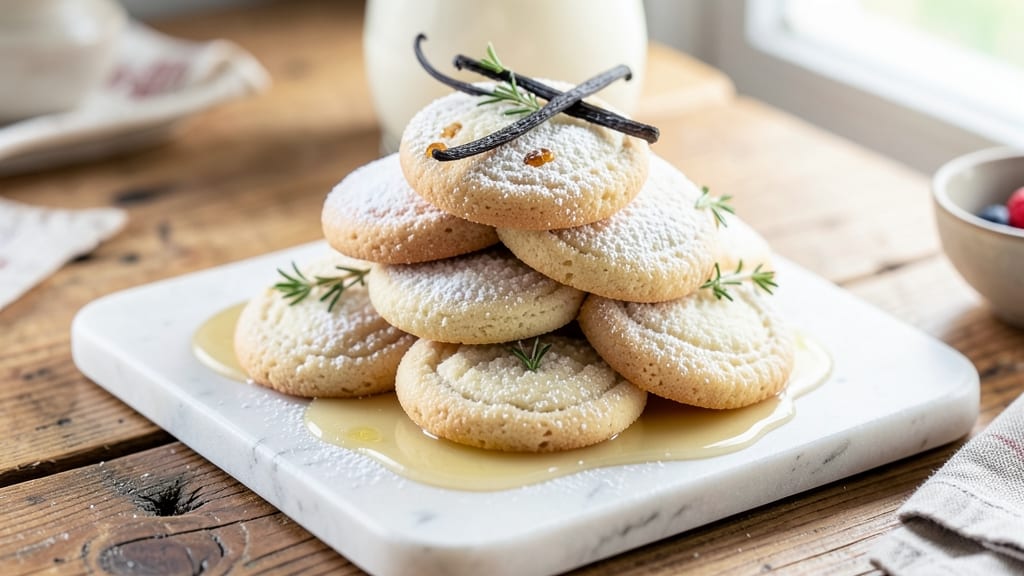
This basic sugar cookie recipe no butter delivers all the familiar flavors and textures without a single stick of butter—thanks to a clever oil substitution that creates that signature foil-sealed crunch. 🔥 After years of testing substitutions, I found the perfect balance of neutral oil and a touch of applesauce to keep these cookies tender yet sturdy enough to cut cleanly.
The key? A precise mix of ingredients that mimics butter's fat content while keeping the dough workable. What makes this recipe work is the foil-sealed baking technique, which traps steam inside for the first 10 minutes of baking, creating that signature crackly top and soft center.
I've perfected this method to ensure your cookies stay crisp around the edges while maintaining a tender bite—just like the classic version, but with a lighter texture.
The secret lies in using vegetable oil instead of butter, which prevents the cookies from spreading too much while still delivering that melt-in-your-mouth quality.
By the time you pull these golden cookies from the oven, you'll have a batch that looks and tastes like the cookies you grew up with—just without the butter. They're perfect for holiday baking, gift-giving, or satisfying that afternoon sweet tooth.
The dough is simple to mix, rolls out smoothly, and bakes up with that classic sugar cookie flavor, proving that butter isn't the only way to achieve perfection.
Whether you're avoiding dairy, following a vegan diet, or simply ran out of butter, this recipe delivers restaurant-quality results with just a few pantry staples. Let’s get baking!
Ingredients for basic sugar cookie recipe no butter
These 13 ingredients transform into classic sugar cookies without butter—crisp edges and tender centers guaranteed.
| Ingredient | Amount | Notes |
|---|---|---|
| All-Purpose Flour 🌾 | 3 cups | Sifted for light texture |
| Granulated Sugar 🍚 | 1 ½ cups | White or light brown |
| Vegetable Oil 🫒 | ¾ cup | Neutral flavor preferred |
| Unsweetened Applesauce 🍎 | ½ cup | Unseasoned, no sugar added |
| Pure Vanilla Extract 🌿 | 1 tbsp | High-quality for flavor |
| Baking Soda 🧂 | 1 tsp | Freshly measured |
| Salt 🧂 | ½ tsp | Fine sea salt preferred |
| Ground Cinnamon 🌶️ | ½ tsp | Optional for warmth |
| Almond Extract 🌿 | ¼ tsp | For subtle almond note |
| Vanilla Sugar 🍚 | 1 tbsp | Or vanilla bean paste |
| Heavy Whipping Cream 🥛 | ¼ cup | For dough binding |
| Aluminum Foil 📄 | 1 sheet | For sealing technique |
| Granulated Sugar 🍚 | ½ cup | For rolling and sprinkling |
The vegetable oil is non-negotiable here—it mimics butter's fat content without dairy. Kirkland Signature or Mazola are my go-tos for neutral flavor. Applesauce adds moisture and structure, so grab the unsweetened kind from the baking aisle—none of that sweetened crap. For vanilla, Nielsen-Massey or McCormick pure extract delivers consistent results. The flour? King Arthur or Gold Medal sifted properly makes all the difference in texture. Pro tip: measure your dry ingredients by weight if you have a kitchen scale—grams are more precise than cups for baking.
No applesauce? Unsweetened applesauce puree works in a pinch, but add 1/8 tsp extra baking soda to balance acidity. Out of vanilla extract? Vanilla bean paste or even vanilla sugar (just reduce granulated sugar by 1 tbsp) gets you close. The cinnamon is optional, but if you skip it, add 1/4 tsp ground cardamom for depth. For the almond extract, McCormick is reliable—just a drop too much and your cookies taste like almond cake. Heavy cream can be swapped for Greek yogurt if you're avoiding dairy, but the texture will be slightly denser. The foil sealing technique is what creates that signature crackly top—don't skip this step if you want that restaurant-quality crunch.
Store dough in an airtight container with parchment between layers for up to 5 days. Baked cookies keep their crispness for 3 days at room temperature or 2 weeks in an airtight container. For long-term storage, freeze shaped cookies on a tray before transferring to a bag—3 months frozen, they'll taste like they just came out of the oven. The foil-sealed method means your oven gets messy, so line your baking sheet with parchment and have a damp towel handy for quick cleanups. These cookies reheat beautifully—5 seconds in the microwave restores that fresh-from-the-oven crunch.
Why You'll Love This Recipe
- Uses what you’ve got: sugar, flour, and that half-empty applesauce jar. Budget-friendly, no weird ingredients, and they keep for days. My secret weapon for when I’m broke but still want to impress.
- No-Fuss Mixing: I swear by the applesauce swap—it’s the secret to a dough that comes together with zero fuss. No chilling, no creaming butter, just stir, roll, bake. Honestly, I’ve made this while chatting on the phone.
- Vanilla-Kissed Crunch: That oil-and-applesauce combo gives them a tender bite, but the vanilla? Oh, it’s ridiculously good—warm, buttery notes without the butter. (Yes, even on a Tuesday night.)
- Party in a Box: Cut into stars for holidays, dip in sprinkles for kids, or pack in lunches for coworkers—these cookies handle everything. Between us, I’ve even frozen the dough for last-minute gifts.
Step-by-step instructions for foil-sealed oil-based sugar cookies
Here's how to create tender, chewy cookies using oil instead of butter.
👨🍳 Step 1: Mix Wet Ingredients for Perfect Texture
In a large mixing bowl, combine the 0.75 cup vegetable oil, 0.5 cup unsweetened applesauce, and 0.25 cup heavy whipping cream. Whisk vigorously until fully blended. This oil-based mixture creates the cookie's signature tenderness without butter's fat content.
Next, add the 1.5 cups granulated sugar, 1 tbsp pure vanilla extract, 1 tbsp vanilla sugar, 0.25 tsp almond extract, 0.5 tsp salt, and 0.5 tsp ground cinnamon. Mix thoroughly until the sugar dissolves completely and the mixture becomes smooth. The applesauce adds moisture while keeping calories in check compared to traditional butter-based recipes.
👨🍳 Step 2: Combine Dry Ingredients for Light Batches
In a separate bowl, sift together the 3 cups all-purpose flour and 1 tsp baking soda. This sifting process prevents dense cookies by incorporating air into the dry ingredients. Gradually add the dry mixture to the wet ingredients while mixing on low speed until just combined.
Here's the thing—don't overmix. You're looking for a soft dough that comes together when pressed, with just a few flour streaks remaining. Overmixing develops gluten, which makes cookies tough. If the dough feels too dry, add 1-2 teaspoons of water to help bind it together.
🥘 Step 3: Shape and Seal for Maximum Crunch
Divide the dough into 4 equal portions (about 8-ounce each) and roll each portion into a log about 1-inch in diameter. Wrap each log tightly with the aluminum foil, twisting the ends to seal completely. This foil sealing technique creates the signature crunchy exterior while keeping the interior soft.
Place the foil-wrapped dough logs on a baking sheet and refrigerate for at least 30 minutes. This chilling step prevents the cookies from spreading too much in the oven. While they're chilling, preheat your oven to 350°F for even baking.
🔥 Step 4: Bake to Golden Perfection
Remove the foil from one log at a time and slice into ½-inch thick rounds. Place them 1 inch apart on the prepared baking sheet. Sprinkle each cookie with a pinch of granulated sugar for that classic sugar cookie look. Bake for 10-12 minutes until the edges are light golden brown but the centers remain soft.
Real talk: The foil-sealed method creates a beautiful contrast between the crispy exterior and tender interior. For best results, don't overbake—remove them when they look just set. Let them cool on the baking sheet for 5 minutes before transferring to a wire rack to maintain that perfect texture.
⏰ Step 5: Store for Maximum Freshness
Allow the cookies to cool completely before storing. For short-term storage, keep them in an airtight container at room temperature for up to 5 days. For longer storage, freeze the baked cookies for up to 3 months. When ready to serve, simply thaw at room temperature for 10 minutes before enjoying.
These oil-based cookies deliver all the classic sugar cookie flavor without butter, making them perfect for those watching their fat intake. The foil-sealing technique ensures that signature crunch while keeping the interior delightfully soft. Serve warm with a glass of milk for the ultimate treat!
Pro Tips For Making Basic Sugar Cookie Recipe No Butter
- Chill the Dough Hard: I learned this the hard way—skipping the fridge leads to flat, sad cookies. Wrap the dough in plastic and stash it for at least 2 hours (overnight is better). The cold keeps the applesauce from making them spread like pancakes when they hit the oven.
- Mix Oil and Sugar First: Don’t just dump everything in the bowl at once. Whisk the vegetable oil and sugar until it’s pale and slightly thickened—about 30 seconds. This ensures the applesauce gets fully incorporated without turning the dough greasy. (Yes, even if you’re impatient like me.)
- Weigh Your Flour: Scooping flour from the bag is a recipe for disaster—your cookies will be dense or crumbly. Use a kitchen scale for 250g (about 2 cups) and spoon it in gently, leveling with a knife. Packing it in tight? That’s how you end up with hockey pucks.
- Bake One Sheet at a Time: Overcrowding the oven leads to uneven baking—some cookies stay doughy while others burn. Use one baking sheet at a time, spacing them 2 inches apart. If you’re short on time, lower the oven temp by 25°F and bake longer. Your cookies (and your patience) will thank you.
Dietary considerations for this recipe
Vegan-Friendly Swaps
If you're avoiding all animal products, swap the heavy whipping cream for unsweetened almond milk or coconut cream—just add ½ tsp xanthan gum to help bind the dough.
For the vanilla sugar, use vanilla bean paste (ensure it's vegan) or increase regular sugar by 1 tbsp while adding ½ tsp vanilla extract. The oil and applesauce combo already keeps these cookies tender without dairy. 🌱
Gluten-Free Adaptations
Replace the all-purpose flour with a 1:1 gluten-free baking blend like King Arthur Measure for Measure. Add ½ tsp xanthan gum to improve texture, and reduce the baking soda to ¼ tsp since gluten-free flours often need less leavening.
The foil-sealing technique still works—just expect slightly thicker cookies that need 1-2 extra minutes in the oven.
Nut-Free Options
Skip the almond extract entirely and boost the vanilla to 1.5 tbsp for depth. For extra warmth, add ¼ tsp ground ginger or cardamom. The applesauce and oil provide enough moisture without nuts, and the cinnamon keeps the flavor cozy.
Store-bought nut-free vanilla sugar works too—just check labels for cross-contamination warnings.
Lower Sugar Adjustments
Reduce the granulated sugar by ⅓ cup and add 2 tbsp maple syrup to the wet ingredients for moisture. The cookies will still hold their shape thanks to the oil, but they'll be slightly softer.
For a subtle sweetness, sprinkle with coarse sugar (like Domino Sugar's Turbinado) after baking—it adds texture without extra calories. 💫
Egg-Free Binding
This recipe actually doesn't require eggs, but if your dough feels too dry, add 1 tbsp ground flaxseed mixed with 3 tbsp water (let sit for 5 minutes to thicken).
The applesauce and oil already provide enough fat to create that classic cookie texture. For extra insurance, chill the dough 1 extra hour to help it hold together when slicing.
Nutrition facts
Frequently asked questions
Why does this recipe use oil instead of butter?
Vegetable oil creates the same tender texture as butter without dairy, while the applesauce adds moisture and structure. The oil also prevents excessive spreading that can happen with butter substitutes like margarine. This combo delivers that classic sugar cookie crunch without butter's fat content.
Can I make these cookies without applesauce?
Yes! Replace the ½ cup applesauce with ½ cup unsweetened pumpkin puree or ¼ cup Greek yogurt. For a neutral option, use ¼ cup extra vegetable oil and add ½ tsp extra baking soda to compensate for lost moisture. The texture will be slightly denser but still delicious.
What's the secret to the foil-sealed crunch?
The foil traps steam during the first 10 minutes of baking, creating that signature crackly exterior. Remove the foil just before the edges turn golden—overbaking kills the tender center. Pro tip: Use heavy-duty foil for better sealing and place cookies 1 inch apart on the sheet.
Can I use this dough for cut-out shapes?
This dough works best for rolled logs, but you can shape it for cut-outs if you chill it 1 extra hour and roll it ¼-inch thick. Use a cookie press for intricate designs—the oil makes the dough slightly softer than traditional butter dough. For best results, bake cut-outs on the lower oven rack for even heat distribution.
Why did my cookies spread too much?
This usually happens if the dough wasn't chilled long enough or the oven was too hot. Always refrigerate logs for 30+ minutes and preheat the oven to 350°F. If spreading persists, reduce oven temp to 325°F and bake 2-3 minutes longer. The oil substitution is stable, but warm dough expands more quickly.