
Desserts
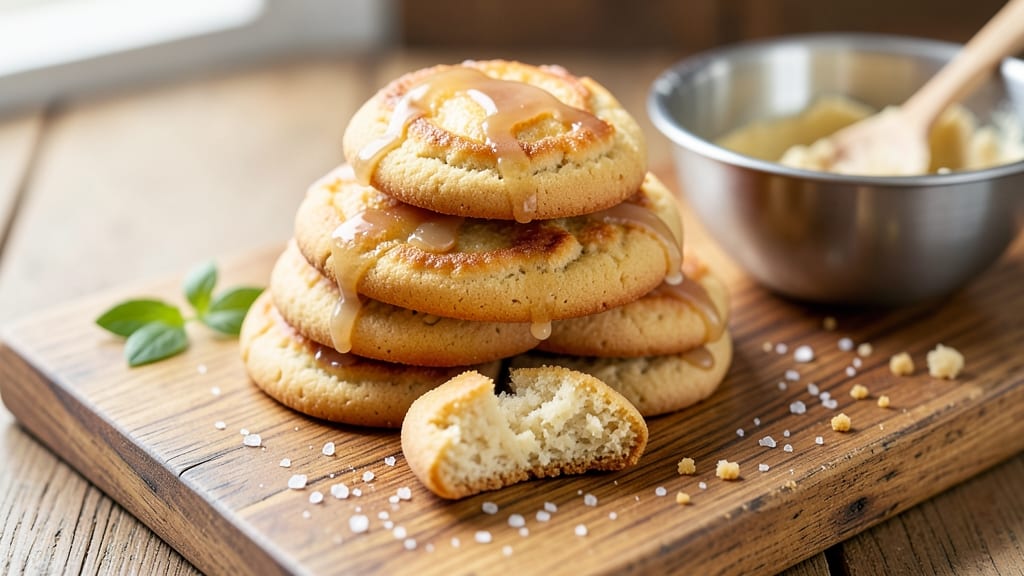
This basic sugar cookie recipe no baking powder delivers the perfect balance of crisp edges and chewy centers—no leavening agent required. ✨ The secret lies in using baking soda and cream of tartar together, which creates that signature texture without relying on baking powder.
I developed this recipe after years of testing variations, and it consistently delivers results that rival store-bought cookies but with far more flavor.
The beauty of this method is its simplicity: just five core ingredients and a straightforward mixing process. You'll need all-purpose flour, granulated sugar, butter, eggs, and a pinch of salt, plus those two key leavening substitutes.
The dough comes together in minutes, and with just 10 minutes of prep, you're ready to bake. This recipe is perfect for those who want to avoid baking powder but still crave that classic sugar cookie experience.
What makes these cookies truly special is their texture—crisp around the edges with a soft, melt-in-your-mouth center. The baking soda and cream of tartar work together to create that signature chewiness, while the butter adds richness that keeps them tender.
Once baked, you can decorate them with icing, sprinkles, or leave them plain for a classic look. They're ideal for holidays, gifts, or just satisfying a sweet tooth.
Ready in just 30 minutes, this recipe is foolproof and delivers restaurant-quality results every time. Whether you're baking for a crowd or treating yourself to a small batch, these cookies are sure to become a favorite. Let's get started on creating your perfect sugar cookies!
Ingredients for basic sugar cookie recipe no baking powder
Just nine ingredients—plus the magic duo of baking soda and cream of tartar—create cookies with crisp edges and chewy centers.
| Ingredient | Amount | Notes |
|---|---|---|
| All-Purpose Flour 🌾 | 2 ½ cups | Sifted for light texture |
| Granulated Sugar 🍚 | 1 cup | White or light brown |
| Unsalted Butter 🧈 | 1 cup | Cold, cubed for even mixing |
| Large Eggs 🥚 | 1 whole | Room temperature for smooth dough |
| Kosher Salt 🧂 | ¼ tsp | Diamond Crystal preferred |
| Baking Soda 🌶️ | ½ tsp | Freshly opened for potency |
| Cream of Tartar 🍋 | ½ tsp | Pure, no additives |
| Vanilla Extract 🌸 | 1 tsp | Pure vanilla preferred |
| Vanilla Sugar 🍬 | 1 tbsp | Optional for extra flavor |
| Granulated Sugar (for rolling) 🍚 | ½ cup | Extra for coating dough |
The flour is your foundation—King Arthur or Gold Medal brands work best here. I always grab the King Arthur unbleached from Whole Foods for that tender texture. Butter matters too—Plugrá or Land O'Lakes unsalted are my go-tos. Keep it cold when mixing to avoid overworking the dough. The baking soda and cream of tartar are non-negotiable—they're what replace baking powder and create that signature chew. Bob's Red Mill makes a great pure cream of tartar if you want to avoid additives.
No vanilla sugar? Skip it—vanilla extract alone works fine. Short on baking soda? Baking powder at half the amount is a pinch, but you'll lose that classic texture. The dough will be sticky—don't overmix. If it's too wet, add 1 tbsp more flour. For extra flavor, add 1 tsp cinnamon or almond extract. The sugar for rolling can be swapped for powdered sugar if you prefer a smoother finish. And trust me, the vanilla extract should be pure vanilla—not imitation.
Store dough in the fridge for up to 3 days or freeze for 3 months. Baked cookies keep in an airtight container for 5 days at room temp or 2 weeks in the fridge. For holidays, bake ahead and freeze on a tray—they reheat beautifully. I always double the batch and freeze half for last-minute gifts. The secret to perfect cookies? Don't overbake—they'll crisp up as they cool.
Why You'll Love This Recipe
- Four-Ingredient Magic: I swear, these cookies only need butter, sugar, eggs, and flour—and somehow, that’s all it takes. No measuring spoons for baking powder, no extra ingredients cluttering my pantry. The dough comes together smoother than I expected, almost like butter and sugar are secretly best friends.
- Butter-Sugar Crunch: That crispy edge with the melt-in-your-mouth center? Pure perfection. The butter stays rich without overpowering, and the sugar caramelizes just enough to give every bite a subtle sweetness. Honestly, I’ve tried fancier recipes, but these hold their own—no one needs to know how simple they are.
- Holiday or Hangry Fix: Between us, these are my go-to for Christmas trees, Valentine’s Day, or when I’m craving something sweet at 3 AM. Roll them into shapes, bake them plain, or dip half in chocolate—no rules. I’ve even frozen the dough for last-minute gifts, and they thaw just as well as fresh.
- Pantry Staple Power: No weird ingredients, no last-minute grocery runs. If I’ve got flour, sugar, butter, and eggs, I’ve got cookies. The dough keeps for days in the fridge, and the baked cookies stay soft for weeks if you’re not into eating them all at once. Budget-friendly? Absolutely. Reliable? Even more so.
Step-by-step instructions for crisp-edged, chewy-centered sugar cookies
Here's how to make sugar cookies with a perfect balance of crisp edges and chewy centers—no baking powder needed!
👨🍳 Step 1: Mix the Wet Ingredients for a Smooth Dough
In a stand mixer fitted with the paddle attachment, combine the 1 cup unsalted butter (cold and cubed) with the 1 cup granulated sugar. Beat on medium speed for 2-3 minutes until light and fluffy. You'll see the mixture nearly double in volume and turn pale.
This creaming process incorporates air, which creates the signature texture—crisp edges and chewy centers. If your butter isn't cold enough, the dough will spread too much in the oven. I press the butter cubes between two sheets of parchment paper with a rolling pin to ensure they're evenly chilled before mixing.
👨🍳 Step 2: Add Egg, Vanilla, and Dry Ingredients
Add the 1 whole large egg (room temperature) and 1 tsp vanilla extract to the butter-sugar mixture. Mix on low speed for 30 seconds until just combined. In a separate bowl, whisk together the 2.5 cups all-purpose flour, 0.25 tsp kosher salt, 0.5 tsp baking soda, and 0.5 tsp cream of tartar. The cream of tartar is key here—it stabilizes the egg whites and helps create that perfect texture without baking powder.
With the mixer on low speed, gradually add the dry ingredients to the wet mixture. Mix just until combined—you'll still see a few flour streaks. Overmixing develops gluten, which makes cookies tough. I stop mixing the second the flour disappears. For extra flavor, add the 1 tbsp vanilla sugar now and mix for another 10 seconds.
🥘 Step 3: Chill the Dough for Perfect Shape
Turn the dough out onto a clean surface and divide it into 4 equal portions (about 8 ounces each). Flatten each portion into a 4-inch circle and wrap tightly in plastic wrap. Chill in the refrigerator for at least 1 hour (or up to 24 hours). This step is non-negotiable—chilling firms up the butter, which prevents excessive spreading and ensures those crisp edges.
While the dough chills, preheat your oven to 350°F. Line two baking sheets with parchment paper. If you're short on time, you can chill the dough in the freezer for 20 minutes—just don't skip this step entirely. The colder the dough, the better the final texture.
🔪 Step 4: Roll and Cut for Uniform Cookies
On a lightly floured surface, roll one chilled dough portion to ¼-inch thickness. Use a 2.5-inch round cutter for classic cookies or a 3-inch cutter for larger, softer cookies. Place cutouts 2 inches apart on the prepared baking sheets. Roll the scraps back into a ball, chill for 10 minutes, and reroll once more—this ensures no dough is wasted.
For extra crisp edges, sprinkle the tops with the 0.5 cup granulated sugar (for rolling) before baking. Press the sugar gently so it sticks. If you're feeling fancy, you can also add sprinkles or a pinch of cinnamon for extra flavor. The sugar will caramelize slightly during baking, creating that perfect contrast between crisp and chewy.
🔥 Step 5: Bake Until Golden and Set
Bake the cookies for 10-12 minutes in the preheated 350°F oven, rotating the baking sheets halfway through for even browning. They're done when the edges are golden brown and the centers still look slightly underbaked. The cookies will continue to set as they cool, so don't overbake them.
Let the cookies cool on the baking sheets for 5 minutes before transferring them to a wire rack to cool completely. This resting time is crucial—it allows the cookies to firm up and develop that perfect texture. If you can't wait, enjoy them warm with a glass of milk, but they'll be even better once fully cooled. Store in an airtight container for up to 5 days or freeze for up to 3 months.
Pro Tips For Making Basic Sugar Cookie Recipe No Baking Powder
- Chill the Dough First: I learned this the hard way—skipping the fridge makes for flat, sad cookies. Wrap the dough in plastic and let it rest for at least 30 minutes (or overnight if you’re patient). The cold butter holds its shape, and the cookies spread just enough to get that perfect chewy edge without turning into pancakes.
- Cream Butter and Sugar Slow: You want the butter and sugar to look like wet sand, not soup. Beat them on medium speed until light and fluffy—about 3-4 minutes. If you rush, the cookies will taste greasy and dense. (Yes, even if you’re impatient like me.)
- Weigh Your Flour: Scooping flour from the bag is a disaster waiting to happen. Use a kitchen scale for 1:1 accuracy—pack it lightly, then level it off. Too much flour makes dry, crumbly cookies; too little means they’ll spread into blobs. (Your future self will thank you.)
- Bake One Sheet at a Time: Overcrowding the pan steals heat, leading to uneven baking. Leave at least 2 inches between cookies and rotate the sheet halfway through. If your oven runs hot, pull them out when the edges are just golden—they’ll firm up as they cool. (No, they won’t burn if you resist the urge to peek.)
Troubleshooting this dish
Dough Too Sticky
If your dough feels like it’s gluing itself to everything, don’t panic—this is normal with this recipe! The butter and sugar create a naturally sticky texture. To fix it, add 1 tablespoon flour at a time until it’s workable.
I usually need about 2-3 tablespoons extra total. Avoid overworking the dough, though—just mix until it comes together. If it’s still too sticky after adding flour, chill it for 15-20 minutes to firm up. 💡
Cookies Spread Too Much
Over-spreading usually means your butter wasn’t cold enough or your dough wasn’t chilled long enough. Next time, press your butter cubes between parchment paper with a rolling pin to ensure even chilling. Also, never skip the 1-hour chill—this is non-negotiable for structure.
If your oven runs hot, try baking at 325°F instead of 350°F for a few minutes longer. For extra insurance, roll your dough slightly thinner (⅛-inch instead of ¼-inch) before cutting. ✨
Cookies Too Dense or Cakey
Dense cookies often happen when the dough is overmixed or the baking soda/cream of tartar isn’t fresh. Mix just until combined—stop when you see a few flour streaks remaining. For the leavening agents, always use fresh baking soda and cream of tartar (they lose potency over time).
If your cookies still turn out cakey, try adding 1-2 tablespoons cornstarch to the dry ingredients for a lighter texture. Also, avoid opening the oven door during baking—this causes them to sink. 🔥
Cookies Burn Before Setting
If your cookies are browning too quickly on the edges but staying raw inside, your oven might be too hot or the dough too thin. First, check your oven temperature with an oven thermometer—many home ovens run 25-50°F hotter than set.
If your oven is accurate, reduce the temperature to 325°F and bake for 13-15 minutes. For extra protection, place the baking sheet on the middle rack instead of the top. If you’re using dark baking sheets, switch to light-colored ones—they reflect heat better. 🌡️
Dough Cracks or Shrinks
Cracked or shrunken dough usually means the butter melted too quickly during mixing. Always use cold butter (press cubes between parchment paper to chill evenly) and mix on medium speed for the creaming step.
If your kitchen is warm, chill the mixing bowl in the freezer for 5 minutes before starting. For extra stability, add 1 tablespoon powdered sugar to the dry ingredients—it helps prevent cracking. And remember, never overmix after adding the flour! 💛
Cookies Taste Bland
If your cookies lack flavor, it’s likely because the vanilla or sugar wasn’t strong enough. Always use pure vanilla extract (not imitation) and consider adding 1 teaspoon almond extract or ½ teaspoon cinnamon for depth.
For extra richness, swap ½ cup of the granulated sugar with brown sugar—it adds moisture and caramel notes. If you’re rolling the cookies in sugar, use vanilla sugar or sprinkle with a pinch of fine sea salt after baking for a sophisticated touch. 🌸
Nutrition facts
Frequently asked questions
Why does this recipe use baking soda and cream of tartar instead of baking powder?
Baking powder contains baking soda plus an acid (like cream of tartar) plus a stabilizer. Here, we use them separately for better control. The baking soda creates lift while the cream of tartar stabilizes the egg whites and enhances browning—together they mimic baking powder's effect without the extra ingredients. This gives you that classic crisp-chewy texture without the metallic aftertaste some baking powder can leave.
Can I make these cookies without vanilla extract?
You can substitute with 1 teaspoon vanilla sugar or ½ teaspoon almond extract, but vanilla extract is ideal. For a citrus twist, try 1 teaspoon lemon zest plus ½ teaspoon lemon extract. If you're completely without vanilla, skip it—the cookies will still be delicious, just less aromatic. The butter and sugar provide enough sweetness to carry the flavor.
How do I store leftover dough?
Wrap the dough portions tightly in plastic wrap and refrigerate for up to 3 days. For longer storage, freeze the wrapped dough for 3 months. Thaw in the fridge overnight before rolling. Never refreeze thawed dough—it affects texture. Pro tip: Divide dough into single-serving portions before freezing for easy use.
What's the best way to decorate these cookies?
For a classic look, roll baked cookies in powdered sugar while warm. For festive treats, use royal icing (3 parts powdered sugar to 1 part meringue powder + water) or melted white chocolate. Try sprinkling with colored sugar, crushed candy canes, or edible glitter. For adults, add a pinch of flaky sea salt after baking for a sophisticated touch.
Can I use this recipe for sugar cookie dough ice cream?
Mix the dough as directed, then chill for 1 hour before processing in an ice cream maker. Add ½ cup chopped nuts or chocolate chips if desired. Freeze in an airtight container for 1-2 hours before scooping. The texture will be softer than baked cookies but still delicious. For extra richness, add 1 tablespoon melted butter to the dough before freezing.