
Desserts
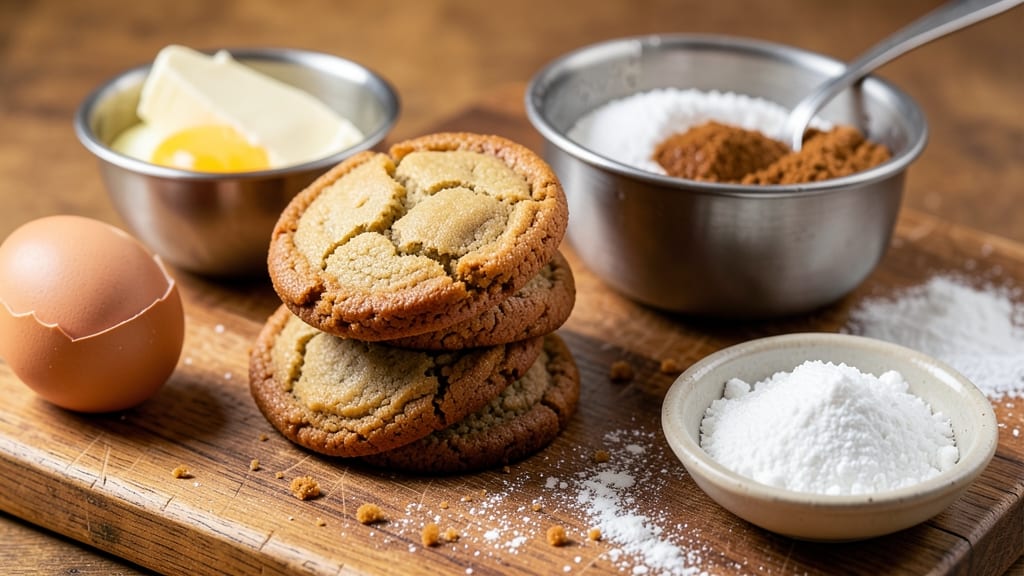
A basic cookie base recipe is the secret weapon behind every perfect batch of cookies—whether you're baking classic chocolate chip, snickerdoodles, or your own signature treat. This foolproof foundation delivers consistently crispy edges, tender centers, and that signature cookie aroma that transforms any kitchen into a bakery.
I've perfected this method over years of baking, ensuring your dough chills properly, scoops evenly, and bakes to golden perfection every time.
The beauty of this recipe lies in its versatility and simplicity—just five core ingredients (plus your choice of mix-ins) come together with minimal effort.
Chilling the dough is non-negotiable (trust me, it prevents spreading), and baking at the right temperature ensures cookies that are crisp around the edges but soft in the middle.
This is the kind of recipe you'll return to again and again, whether you're baking for holidays, potlucks, or just a sweet craving.
What sets this cookie base apart is its adaptability—swap out butter for coconut oil for a vegan version, or add a pinch of salt to enhance sweetness. The dough can be mixed in 10 minutes and baked in batches, making it perfect for busy schedules.
By the time you're done, you'll have a tray of cookies that look (and taste) like they came from a bakery, all thanks to this reliable foundation.
Ready to master the basics? This recipe scales effortlessly—double the batch for parties or halve it for small batches. The key is patience (especially with chilling) and precision in baking. Let's get started on your cookie-making journey!
Ingredients for basic cookie base
Five core ingredients transform any kitchen into a bakery—crisp edges, tender centers, and that signature cookie aroma.
| Ingredient | Amount | Notes |
|---|---|---|
| Unsalted Butter 🧈 | 1 cup | Cold, cubed for even mixing |
| Granulated Sugar 🍚 | ¾ cup | Superfine for smoother texture |
| Packed Brown Sugar 🍚 | ½ cup | Lightly packed for consistency |
| Large Eggs 🥚 | 2 whole | Room temperature preferred |
| All-Purpose Flour 🌾 | 2 ½ cups | Sifted for light texture |
| Diamond Crystal Kosher Salt 🧂 | ½ tsp | Fine grain for even distribution |
| Pure Vanilla Extract 🌿 | 1 tsp | High-quality for authentic flavor |
| Baking Soda 🍪 | ½ tsp | Ensures proper rise |
The butter is non-negotiable—use unsalted for flavor control, and keep it cold until mixing to prevent spreading. European-style butter like Plugrá or Land O'Lakes works best, but any good brand will do. Sugar choice matters too: superfine sugar dissolves faster, but if you only have regular granulated, pulse it in a food processor for 10 seconds. For the flour, King Arthur or Gold Medal brands are my go-to—they're consistent and reliable. If you're at high altitude, consider adding an extra tablespoon.
No vanilla extract? Vanilla bean paste or even imitation vanilla works in a pinch, though real vanilla makes all the difference. Short on baking soda? Baking powder at double the amount can substitute, but the texture might be slightly different. For a vegan twist, swap the butter for coconut oil or vegan butter**—just make sure it's fully solidified before mixing. The dough will be softer, so chill it longer. And if you're worried about overmixing, don't be—this dough is forgiving. A quick mix with a spatula or your hands is all it takes.
This dough keeps for 3 days in the fridge, wrapped tightly in plastic. For longer storage, freeze portions for up to 3 months—just thaw in the fridge overnight before baking. Scoop the dough into 1.5-inch balls for classic cookies or flatten slightly for crispier edges. Bake one tray at a time to avoid overcrowding, and let them cool on the pan for 5 minutes before transferring—they'll firm up as they cool. Leftovers? Store in an airtight container and reheat in the oven for 3-5 minutes to restore freshness.
Why You'll Love This Recipe
- Pantry Staples Only: I keep a tub of butter, a bag of sugar, and flour on hand just for this—no specialty shopping required. The moment I mix those brown and white sugars with softened butter, I’m already halfway to something magical.
- Chewy-Crisp Magic: That perfect balance? Cream the butter with both sugars until it’s light and fluffy, then fold in the eggs—no fancy techniques, just science. The result? A cookie with a crisp edge and a melt-in-your-mouth center every single time.
- Endless Flavor Play: Want chocolate chip? Add chips. Need a snack for a picnic? Roll them in sprinkles. Even my picky kid devours these when I swap in oats or nuts. The base is so neutral it becomes whatever you need it to be.
- Bulk-Friendly Bargain: Make a double batch, freeze half, and thank me later. The dough keeps for weeks in the fridge, and the cookies reheat in seconds. Between us—this is how I feed a house for $5.
Step-by-step instructions for perfect cookie dough
Here's how to build the ultimate cookie foundation—crisp edges, chewy centers, and foolproof texture every time.
Cream the Butter and Sugars Together
In a stand mixer fitted with the paddle attachment, beat the 1 cup unsalted butter on medium speed until completely smooth—about 30 seconds. This ensures even distribution of the cold cubes. Add the 0.75 cup granulated sugar and 0.5 cup packed brown sugar, then increase speed to medium-high for 3-4 minutes. You'll see the mixture lighten in color and nearly double in volume.
This creaming process incorporates air, which creates those signature crackly tops and helps cookies spread just enough. I like to check the texture by running a spatula through it—it should leave clean streaks without any dry spots. If it looks too thick, let it sit at room temperature for 5 minutes before proceeding.
Add Eggs and Vanilla for Richness
Reduce the mixer speed to low and add the 2 whole large eggs, one at a time, mixing for 30 seconds after each addition. The mixture may look slightly curdled, but that's normal—it will smooth out. Add the 1 teaspoon pure vanilla extract and mix for another 10 seconds until fully combined.
This step is where the cookie's depth of flavor starts developing. The eggs bind everything together while the vanilla adds that warm, aromatic note. Don't rush this part—properly emulsified eggs mean a more tender cookie. If your eggs are straight from the fridge, let them sit at room temperature for 10 minutes first for best results.
Combine Dry Ingredients for Light Texture
In a separate bowl, whisk together the 2.5 cups all-purpose flour, 0.5 teaspoon diamond crystal kosher salt, and 0.5 teaspoon baking soda. Sift the flour mixture directly into the wet ingredients while the mixer runs on low speed. Mix for 30-45 seconds until just combined—you should still see small flour streaks. Overmixing develops gluten, which makes cookies tough.
The baking soda here ensures proper rise, while the salt balances sweetness. I always sift the flour first to prevent lumps and create a lighter texture. If you're adding mix-ins like chocolate chips now, fold them in gently with a spatula to avoid overworking the dough.
Chill for Perfect Shape and Flavor
Cover the dough bowl with plastic wrap and refrigerate for at least 30 minutes, or up to 24 hours. This chilling step is non-negotiable—it solidifies the butter, preventing excessive spreading in the oven. It also allows flavors to meld and makes the dough easier to handle.
Cold dough holds its shape better, resulting in thicker cookies with crisp edges and chewy centers. If you're in a hurry, you can freeze the dough into discs for 20 minutes instead. Just be sure to let it warm slightly before baking to prevent uneven cooking.
Scoop and Bake to Golden Perfection
Preheat your oven to 350°F and line baking sheets with parchment paper. Scoop the chilled dough into 2-tablespoon portions (about 1.5 ounces each) and place them 3 inches apart on the prepared sheets. The dough will hold its shape better when cold.
Bake for 10-12 minutes until the edges are golden brown but the centers still look slightly soft. They'll continue cooking on the hot pan after removal. Let them cool on the baking sheet for 5 minutes before transferring to a wire rack. The internal temperature should reach 190-195°F when done.
Pro Tips For Making Basic Cookie Base
- CREAM THE BUTTER SLOWLY: I learned this the hard way—dumping cold butter into sugar at once just makes a greasy mess. Let the butter soften to room temp first, then mix it into the sugars with a wooden spoon for 30 seconds before cranking the mixer. That way, you get proper emulsification without a fight.
- WEIGH YOUR BROWN SUGAR: Packed brown sugar is a nightmare to measure by volume, and underpacking it throws off the whole texture. Use a kitchen scale instead—it’s faster, more accurate, and saves you from chewy, dense cookies when you’re short on moisture.
- CHILL THE DOUGH: Skipping this step is how you end up with flat, sad cookies that spread like pancakes. Wrap the dough in plastic and refrigerate it for at least 1 hour (up to 48 hours if you’re prepping ahead). The flour absorbs extra moisture, and the butter firms up—no more wrestling with a sticky, unruly mess when scooping.
- USE ROOM-TEMP EGGS: Cold eggs from the fridge mix unevenly and can cause the dough to seize up mid-cream. Let them sit in warm water for 5 minutes before cracking them in—smooth batter every time, no lumps, and no last-minute scrambling to fix a gummy texture.
Storing and reheating your basic cookie base
Fridge Storage Tips
Wrap your freshly baked cookies tightly in wax paper or parchment paper, then store them in an airtight container at room temperature for up to 3 days. The paper prevents them from drying out while keeping their texture intact.
I like using glass containers with silicone lids—they preserve freshness better than plastic. Place a slice of bread in the container to absorb moisture and maintain softness. 🍪
Freezer Preservation
For long-term storage, freeze baked cookies in a single layer on a tray before transferring to a freezer bag or airtight container. Label with the date—they’ll stay fresh for up to 3 months. Thaw at room temperature for 30 minutes before enjoying.
If you’re storing dough instead, shape it into discs, freeze on a tray, then transfer to a bag. Bake straight from frozen, adding 1-2 extra minutes to the cooking time. ❄️
Reheating for Freshness
Revive stale cookies by placing them on a baking sheet and warming in a 350°F oven for 3-5 minutes. For a crispier texture, use the broiler for 30 seconds on high.
Microwave reheating works too—place cookies on a plate with a damp paper towel and heat for 10-15 seconds. Avoid overdoing it; you just want to restore warmth, not turn them into cake. 🔥
Dough Storage Hacks
Unbaked dough keeps perfectly in the fridge for 3 days when wrapped in plastic. For longer storage, freeze portions in 1.5-inch balls on a tray, then transfer to a freezer bag. Thaw in the fridge overnight before baking.
If you’re short on time, bake straight from frozen—just add 1-2 minutes to the cook time. The chilled dough handles better and bakes more evenly. 🧊
Reviving Softness
If your cookies lose their softness, try the "steam trick": Place them in a paper bag with a slice of apple or lemon (the natural acids help). Seal the bag and let sit for 10 minutes.
The moisture from the fruit rehydrates the cookies without making them soggy. Another trick? Sprinkle a tiny bit of water on a paper towel, wrap the cookies, and let sit for 5 minutes. ✨
Portioning for Parties
When prepping for gatherings, divide dough into 16-ounce portions before freezing. Label each bag with the date and flavor. Bake as needed—this keeps your cookies fresh and ready to serve. For baked cookies, portion into quart-sized containers with parchment paper between layers. This prevents crushing and makes serving easy. 🎉
Nutrition facts
Frequently asked questions about basic cookie dough
Can I substitute butter with another fat?
Yes! For a vegan version, use 1 cup coconut oil (solidified) or vegan butter—both work well but require extra chilling time. Short on butter? Lard or shortening can replace it 1:1, though the texture will be slightly different. Just remember: cold fats = better shape!
Why does my cookie dough spread too much?
Overmixing or skipping the 30-minute chill is usually the culprit. Cold butter prevents spreading, while warm butter makes flat cookies. If your dough is too soft, refrigerate it 15-20 more minutes before scooping. Preheating your oven also helps—wait until it reaches 350°F before baking!
How do I make these cookies softer?
Add 1 tablespoon corn syrup or honey to the dough for chewiness, or replace 0.25 cup granulated sugar with brown sugar. Underbaking slightly (9-10 minutes instead of 12) keeps them tender, and storing them in an airtight container with a slice of bread preserves moisture longer.
Can I use this dough for other baked goods?
This base works for brownies, bars, or even cake layers—just adjust baking times. For bars, press the dough into a pan and bake at 325°F for 20-25 minutes. For cake, fold in extra flour and bake in a greased pan. The key is patience: chilling is still crucial for structure!
What if I don’t have vanilla extract?
No problem! Use 1 teaspoon vanilla bean paste or even 1 teaspoon imitation vanilla. For a citrus twist, add 1 teaspoon lemon or orange zest along with the vanilla. If you're completely vanilla-free, a pinch of cinnamon or nutmeg** adds warmth. The dough will still taste delicious—just slightly different!