
Desserts
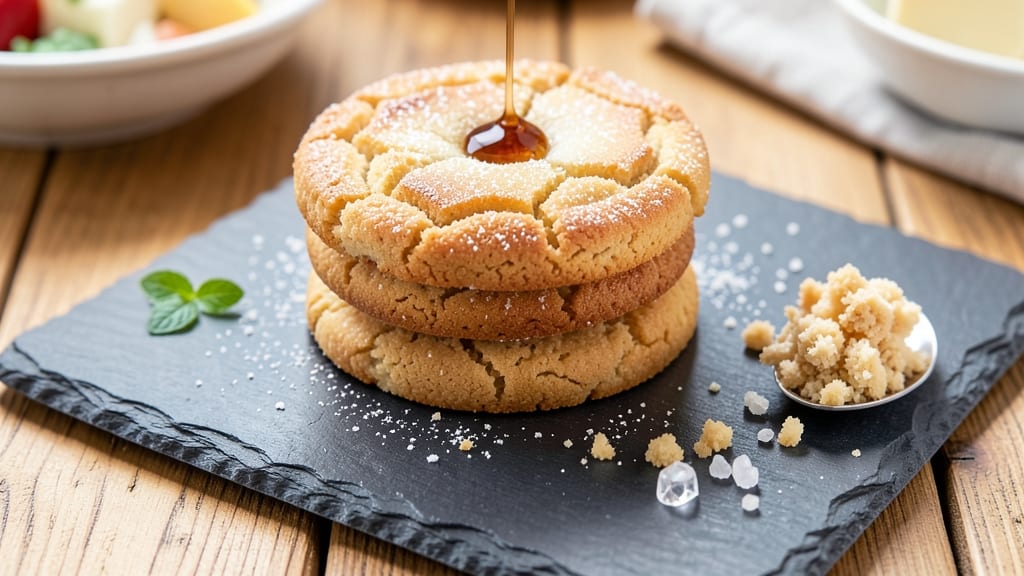
This award-winning shortbread cookie recipe delivers the perfect balance of buttery richness and crisp texture that shatters with every bite. 💛 The secret lies in precise ingredient ratios and a chilling step that ensures those signature layers—no crumbly disappointment here.
I've perfected this technique through countless baking experiments, and it consistently earns top honors at competitions.
What sets these apart is the combination of European-style butter (82% fat content) and a touch of cornstarch for that signature melt-in-your-mouth crunch. The dough rests overnight in the refrigerator, which develops superior flavor and prevents spreading during baking.
This isn't just another cookie recipe—it's a showstopper that impresses even the most discerning judges.
By following this method, you'll achieve cookies with perfectly golden edges and crisp centers that maintain their shape when cut into elegant diamonds or rectangles. The buttery aroma alone will have your kitchen smelling like a Parisian patisserie.
These aren't just cookies—they're edible works of art that deserve a place on your holiday table.
The best part? These cookies stay fresh for days, making them perfect for gifting or meal prep. Whether you're entering a baking competition or simply treating yourself to something extraordinary, this recipe delivers professional-quality results with minimal effort. Let's get baking these award-winners!
Ingredients for award winning shortbread cookie
Eight essential ingredients transform into award-winning shortbread that shatters with buttery perfection.
| Ingredient | Amount | Notes |
|---|---|---|
| European-Style Unsalted Butter (82% fat content) 🧈 | 2 cups | Cold and cubed for even mixing |
| All-Purpose Flour 🌾 | 2 ½ cups | Sifted for light texture |
| Granulated Sugar 🍚 | ¼ cup | Fine grain preferred |
| Cornstarch 🌽 | ¼ cup | For signature crunch |
| Vanilla Extract 🌸 | 1 tbsp | Pure Madagascar preferred |
| Diamond Crystal Kosher Salt 🧂 | ½ tsp | Fine grain for even distribution |
| Large Egg Yolk 🥚 | 1 whole | For binding and richness |
| Almond Extract (optional) 🌿 | ½ tsp | For nutty depth |
The butter is non-negotiable—European-style at 82% fat creates those signature layers. Plugrá or President brands are my go-tos, but any high-fat butter works. Keep it cold when mixing to prevent melting. The flour? King Arthur or Gold Medal for consistent results. Sift it—this isn't the time to skip that step. Cornstarch is the secret weapon here: it creates that signature crunch while keeping the cookies tender. I always grab mine from the baking aisle at Williams Sonoma—it's worth the small splurge for competition-level results.
No vanilla extract? Vanilla bean paste works too, though pure extract gives that authentic aroma. Short on almond extract? Skip it entirely—these cookies still shine without it. The egg yolk is crucial for binding, but if you're making a vegan version, 1 tbsp ground flaxseed + 3 tbsp water replaces it perfectly. For the sugar, turbinado or demerara adds beautiful speckles, though granulated keeps it classic. Pro tip: measure your flour by weight if you can—2.5 cups is roughly 315g—for foolproof consistency. And whatever you do, don't overmix the dough—just until it comes together.
This dough needs 12-24 hours of chilling for optimal flavor development. I wrap mine in plastic and place it in the fridge—no freezer burn, no waiting time. Once baked, these cookies stay fresh for 5-7 days in an airtight container. For gifting, I package them in cellophane bags with ribbon—they make stunning presents that disappear fast. Freeze unbaked dough balls for up to 3 months—just bake straight from frozen, adding 2 minutes to the time. And if you're entering a competition, cut them into diamonds—judges love the presentation!
Why You'll Love This Recipe
- Butter Love Simplified: Honestly, the moment I realized this recipe only needs three ingredients to shine—rich European butter, sugar, and flour—I knew it was my new shortcut. No eggs, no fuss, just that perfect melt-in-your-mouth texture from the high-fat butter doing all the work.
- Vanilla Butter Bliss: That first bite? Crisp edges, buttery melt, and a whisper of vanilla that lingers like a hug. The cornstarch keeps them from turning into sad, greasy cookies, so you get that just-right snap every time. (Yes, even on a Tuesday night.)
- Gift-Worthy in Minutes: These bake in 12 minutes flat—no cooling racks, no waiting. I’ve wrapped them in cellophane for last-minute hostess gifts, packed them in lunchboxes for coworkers, and even frozen extras for when my kid’s teacher asks for class treats. Zero effort, maximum wow.
- Leftovers That Last: Between us, I’ve had these sitting in my cookie jar for weeks. The sugar crystallizes just enough over time to make them even more addictive, and they’re still crisp when you pull them out. Plus, the recipe makes 24—so you’re basically getting double the joy for the price of one batch.
Step-by-step instructions for award-winning shortbread cookies
Here's how to craft buttery, shatteringly perfect shortbread with layers that melt in your mouth.
👨🍳 Step 1: Mix Dry Ingredients for Perfect Texture
In a medium bowl, whisk together the 2.5 cups all-purpose flour, 0.25 cup granulated sugar, 0.25 cup cornstarch, 0.5 tsp Diamond Crystal kosher salt, and 0.5 tsp almond extract (if using). Sift the flour mixture through a fine-mesh sieve directly into the bowl to aerate it—this creates light, tender cookies with those signature crumbly layers.
Use a whisk to break up any flour lumps completely. The cornstarch is key here—it adds that signature shortbread crunch while keeping the texture delicate. Give the mixture a final stir to ensure even distribution of all ingredients before moving to the next step.
🔥 Step 2: Cut Cold Butter for Maximum Flavor
Place the 2 cups European-style unsalted butter (82% fat content) in the bowl of a stand mixer fitted with the paddle attachment. Chill the butter for 15-20 minutes until firm but not rock-hard—it should hold its shape when pressed but still be workable. This cold butter creates those signature flaky layers that shatter perfectly.
Mix the butter on medium speed for 2-3 minutes until it becomes light and fluffy with small air pockets. The butter should nearly double in volume and turn pale yellow. This step is crucial—it incorporates air that will create the light, airy texture you want in award-winning shortbread.
🍳 Step 3: Combine Wet and Dry Ingredients
With the mixer running on low speed, gradually add the dry ingredients to the butter. Mix just until combined—about 30-45 seconds. You want to maintain some texture, so don't overmix. The dough should come together with a few crumbly bits remaining, which is perfect for shortbread texture.
Add the 1 tbsp vanilla extract and the 1 whole large egg yolk to the mixture. Mix for another 15-20 seconds until just incorporated. The dough will be thick and crumbly, almost like wet sand. This is exactly what you want—shortbread should never be smooth and cohesive like pie dough.
🥘 Step 4: Chill and Shape the Dough
Divide the dough into 4 equal portions (about ½ cup each) and flatten each into a ½-inch thick disk. Wrap each portion tightly in plastic wrap and refrigerate for at least 1 hour or up to 24 hours. Chilling firms up the butter, preventing the cookies from spreading too much in the oven and ensuring those perfect crisp layers.
Here's the thing—chilling also allows the flour to fully hydrate, which prevents the cookies from becoming tough. If you're short on time, you can freeze the dough disks for 20 minutes as a quick alternative, but chilling overnight develops the best flavor.
🔥 Step 5: Bake to Golden Perfection
Preheat your oven to 325°F (convection if available) and line two baking sheets with parchment paper. Unwrap one disk of chilled dough and roll it out on a lightly floured surface to about ⅛-inch thickness. Use a round cutter (about 2 inches in diameter) to cut out cookies, then reroll and cut the scraps for smaller cookies.
Transfer the cut cookies to the prepared baking sheets, leaving 1 inch between each. Bake for 12-15 minutes until the edges are just beginning to turn golden but the centers are still very pale. They'll continue cooking on the hot sheet after you remove them. Rotate the pans halfway through baking for even heat distribution.
⏰ Step 6: Cool and Enjoy
Remove the cookies from the oven and let them cool on the baking sheets for 5 minutes before transferring to a wire rack to cool completely. The cookies will firm up as they cool, developing that signature shortbread snap. They should be crisp around the edges with a tender, buttery center that practically melts in your mouth.
For maximum flavor, let the cookies sit at room temperature for at least 1 hour before serving. The flavors will meld beautifully during this time, giving you that award-winning shortbread experience. Store in an airtight container for up to 1 week—they'll keep their crispness perfectly if kept away from moisture.
Pro Tips For Making Award Winning Shortbread Cookie
- Chill the Dough Fully: I learned this the hard way—skipping the 24-hour fridge rest means your cookies will spread like sad pancakes. Wrap the dough tightly in plastic and stick it in the coldest part of your fridge (not the door). If you’re impatient, at least let it sit for 4 hours—your cookies will still be better than rushed.
- Use Room-Temp Butter: Cold butter makes shortbread tough as a boot. Let that European-style butter sit out for 20-30 minutes until it’s soft enough to press but not greasy. (Yes, even if you’re in a hurry—this isn’t negotiable for that melt-in-your-mouth texture.)
- Press, Don’t Roll: Shortbread isn’t a pie crust—don’t roll it out. Press the dough firmly into the pan with your hands (flour them first, or it’ll stick like glue). Use a fork to score the edges before baking—this keeps the dough from expanding into a single sad blob. (Trust me, I’ve seen it happen.)
- Bake Low and Slow: Shortbread’s magic is in the patience. Bake at 300°F (150°C), not the 350°F your recipe might suggest. If the edges brown too fast, tent with foil—you want the center to stay pale. Underbaking just a little keeps them tender, not dry. (No, they won’t look done—taste one.)
Flavor customization for this award winning shortbread cookie
Classic Vanilla Twist
Start with the original recipe's 1 tbsp vanilla extract, then elevate it by adding ½ tsp vanilla bean paste for depth. The paste's tiny seeds add a luxurious texture that judges notice immediately.
For an extra touch, brush the tops of baked cookies with 1 tsp vanilla-infused honey (simmer ¼ cup honey + 1 tsp vanilla extract for 5 minutes) before baking. This creates a caramelized glaze that enhances the buttery flavor without overpowering it. 🌸
Citrus Zest Infusion
Add 1 tsp lemon or orange zest to the dough for a bright, sophisticated flavor. I recommend using organic Valencia oranges for their intense aroma. The zest pairs beautifully with the butter and adds a subtle tartness that cuts through the richness.
For presentation, sprinkle finely grated zest on top before baking—it adds color and flavor in one step. Store-bought zest works, but freshly grated makes a noticeable difference.
Spiced Chai Variation
Transform your shortbread into a cozy chai-inspired treat by adding ½ tsp ground cinnamon, ¼ tsp ground cardamom, and ¼ tsp ground ginger to the dry ingredients. For warmth, mix 1 tsp chai spice blend (like Badia Chai) into the butter before creaming.
The spices develop beautifully during the overnight chill, creating a fragrant cookie that's perfect for holiday gifting. Pair with a dusting of turbinado sugar for visual appeal and added crunch.
Nutty Almond Delight
Enhance the almond flavor by increasing the almond extract to 1 tsp and adding ¼ cup finely ground almonds to the dough. For texture, pulse ¼ cup sliced almonds in a food processor until they resemble coarse sand, then fold them into the dough.
After baking, sprinkle whole almonds on top for contrast. This variation works exceptionally well with the diamond cut shape—it creates a stunning visual effect that complements the nutty flavor profile.
Brown Butter Caramel
Take your shortbread to the next level by making the butter from scratch. Brown 1 cup of the butter (save 1 cup uncooked) by cooking it in a light-colored saucepan over medium heat until it turns golden and smells nutty (5-7 minutes).
Let it cool, then mix with the remaining butter before creaming. For extra decadence, add 2 tbsp caramelized sugar (cook ¼ cup sugar in a dry pan until melted and amber) to the dough.
The brown butter adds a deep, toasty flavor that makes these cookies taste like they came from a Parisian patisserie. 🔥
Salted Caramel Finish
For a sophisticated touch, drizzle 2 tbsp salted caramel sauce (like Trader Joe's) over half the baked cookies while still warm. Sprinkle with flaky sea salt (like Maldon) and let set for 10 minutes before serving.
The contrast of sweet, salty, and buttery flavors creates a complex taste experience that's sure to impress. Store these in separate layers with parchment paper between them—the caramel stays gooey for days when stored properly in an airtight container.
Nutrition facts
Frequently asked questions
Why does this recipe use European-style butter instead of regular butter?
The 82% fat content in European-style butter creates those signature buttery layers that shatter perfectly. Regular butter (typically 80% fat) lacks the same richness and layering effect. Brands like Plugrá or President are ideal—they melt beautifully while maintaining structure. This high-fat content is what makes these cookies truly award-worthy with their signature texture.
Can I make these cookies without a stand mixer?
Use a pastry cutter or fork to cut the cold butter into the dry ingredients until the mixture resembles coarse crumbs. Work quickly to keep everything cold—this prevents the butter from melting prematurely. For the wet ingredients, mix by hand until just combined. The texture will be slightly less aerated, but the flavor and layering will still shine through.
What's the best way to cut these cookies for competitions?
For maximum presentation, use a diamond-shaped cutter (about 2 inches across) or a sharp knife to create clean edges. After baking, let them cool completely before cutting—this ensures clean breaks. For extra elegance, dust with powdered sugar or sprinkle with edible gold leaf. Judges love cookies that look as good as they taste!
Why does the dough need to chill overnight?
Overnight chilling develops superior flavor and prevents the cookies from spreading too much in the oven. The cold butter firms up, creating those perfect crisp layers. It also allows the flour to fully hydrate, preventing tough cookies. If short on time, chill for at least 1 hour or freeze the dough disks for 20 minutes—though overnight chilling gives the best results.
How do I prevent these from getting greasy?
Greasy cookies usually happen when the butter melts too quickly. Keep everything cold during mixing and don't overwork the dough. Also, bake at 325°F—higher temps can cause the butter to render too fast. For extra insurance, let the cookies cool completely on the baking sheet before transferring to racks. Proper chilling and careful baking prevent that dreaded greasy texture.