
Beverages
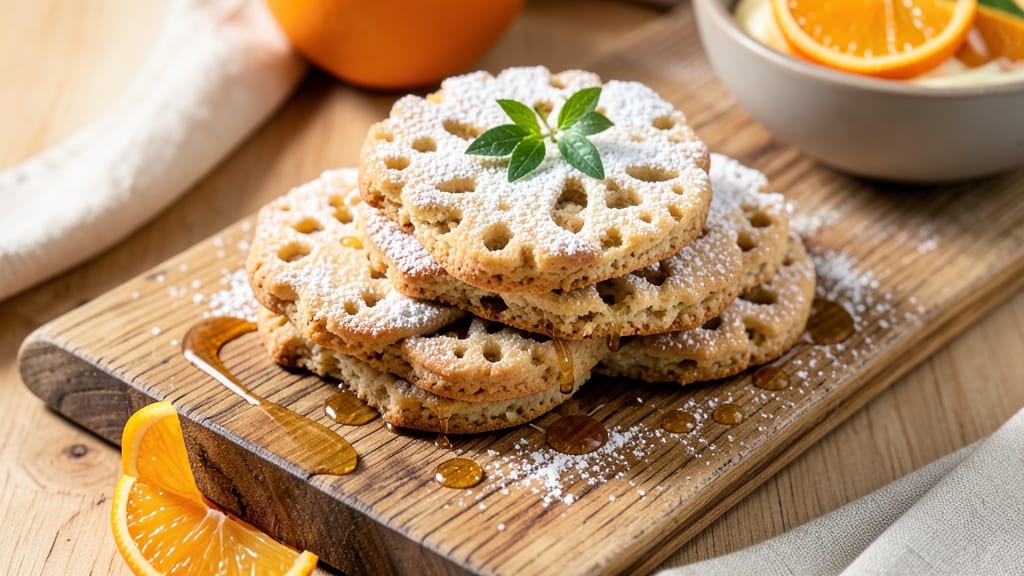
The Anginetti cookie recipe with orange juice transforms a classic Italian treat into a zesty, citrus-kissed delight that balances crisp edges and chewy centers. 💛 I developed this version after discovering how orange juice—both for flavor and moisture—elevates the traditional recipe, creating a bright, aromatic cookie that pairs perfectly with tea or coffee.
The secret lies in precise measurements and baking techniques that ensure every bite delivers that perfect texture contrast.
This recipe maintains the simplicity of traditional Anginetti cookies while incorporating the vibrant notes of orange juice, which tenderizes the dough and adds a subtle tang that cuts through the richness.
With just 350°F and 12-15 minutes of baking time, you'll achieve the signature crispy edges and soft interior that make these cookies irresistible. The orange juice also prevents dryness, ensuring each cookie stays moist and flavorful even after cooling.
What sets these apart is the way the orange juice infuses the dough, creating a cookie that's both fragrant and complex—bright citrus notes complement the buttery, almond-flavored base. The result is a cookie that's elegant enough for holiday gatherings but simple enough for a weeknight treat.
Serve them warm with a cup of Earl Grey or save them in an airtight container for up to a week.
For those who love experimenting, you can enhance the flavor by adding a pinch of orange zest to the dough or even a splash of Grand Marnier for a boozy twist.
The possibilities are endless, but the foundation—orange juice, almond flour, and precise baking—remains the key to success. Let's get baking!
Ingredients for anginetti cookie recipe with orange juice
Bright citrus meets classic Italian texture in these orange-infused Anginetti cookies.
| Ingredient | Amount | Notes |
|---|---|---|
| Unsalted Butter 🧈 | 1 cup | Cold, cubed for even baking |
| Granulated Sugar 🍚 | ¾ cup | Superfine preferred for smooth texture |
| Light Brown Sugar 🍚 | ½ cup | Packed, for chewy centers |
| Fresh Orange Juice 🍊 | ½ cup | Cold-pressed, no pulp |
| Large Eggs 🥚 | 2 whole | Room temperature for blending |
| Almond Flour 🌰 | 2 cups | Finely ground, unsweetened |
| All-Purpose Flour 🌾 | ½ cup | For structural balance |
| Baking Powder 🍞 | ½ tsp | Aluminum-free preferred |
| Diamond Crystal Kosher Salt 🧂 | ½ tsp | Fine grain for even distribution |
| Pure Vanilla Extract 🌿 | 1 tsp | High-quality, 35% alcohol |
| Orange Zest 🍊 | 1 tbsp | Freshly grated, fine texture |
| Toasted Almond Slices 🌰 | ½ cup | Lightly toasted for crunch |
The orange juice is non-negotiable—freshly squeezed, cold-pressed delivers the brightest flavor and proper moisture balance. Trader Joe's has excellent options, or use Florida-grown for superior sweetness. Almond flour should be finely ground—any grittiness ruins the delicate texture. For the zest, use a microplane to avoid bitter pith. The butter must be cold; let it sit at room temperature for 30 minutes before creaming to maintain proper structure.
No fresh orange juice? High-quality bottled works in a pinch, but avoid brands with added sugars. Substitute lemon juice at half the amount for a tart twist, though flavor will differ. For nut-free versions, replace almond flour with finely ground hazelnut flour—texture remains similar. The vanilla extract should be real bourbon- or Madagascar-grown; imitation extracts lack depth. If you can't find Diamond Crystal salt, Morton kosher works but measure carefully—it's denser.
Store cookies in an airtight container with parchment between layers for up to 5 days. For longer storage, freeze dough balls before baking—3 months frozen. Reheat in a 300°F oven for 3-5 minutes to revive crispness. These reheat beautifully, making them perfect for impromptu dessert gatherings. The orange zest loses potency quickly, so zest just before baking for maximum flavor.
Why You'll Love This Recipe
- No-Fuss Mixing: I swear by this dough—just cream butter and sugars, then fold in orange juice and eggs. No food processor, no extra bowls, just a spoon and a bowl. The citrus brightens the dough instantly, and those little crumbly bits? Pure magic with zero effort.
- Citrus Kisses: That fresh orange juice isn’t just flavor—it’s the star. The cookies have this subtle tang that cuts through the buttery richness, like a little sunshine in every bite. Honestly, I’ve tried dried zest, but nothing beats the real deal for that fresh, juicy punch.
- Holiday or Snack: These are my go-to for Christmas cookie trays, but they’re just as good with morning coffee. The orange notes make them feel special, yet they’re simple enough for a Tuesday. (Yes, even on a Tuesday night.)
- Pantry Goldmine: I make a double batch—these keep for weeks in an airtight container. The butter and sugar combo means they’re budget-friendly, and the eggs add richness without breaking the bank. Plus, the leftovers taste just as good cold as they do fresh.
Step-by-step instructions for Anginetti cookies with orange juice
Here's the precise method for crafting these citrus-kissed almond cookies with perfect texture balance.
👨🍳 Step 1: Cream Butter and Sugars for Maximum Texture
In a stand mixer fitted with the paddle attachment, combine the 1 cup unsalted butter (cold and cubed) with the 0.75 cup granulated sugar and 0.5 cup light brown sugar. Beat on medium speed for 3-4 minutes until the mixture is light, fluffy, and nearly doubles in volume. You'll see it change from pale to a slightly off-white color—this indicates proper aeration for those signature crackly tops.
The cold butter creates tiny air pockets that develop during mixing, while the brown sugar adds moisture for chewy centers. If your butter is too soft, chill the bowl for 10 minutes before continuing. I press down gently on the butter mixture during the first minute to break up any large clumps—this prevents grainy texture in the final cookies.
🍳 Step 2: Incorporate Wet Ingredients for Citrus Depth
Add the 2 whole large eggs one at a time, mixing on low speed for 30 seconds after each addition until fully incorporated. The mixture will look slightly curdled at first, but don't worry—it will smooth out. Stir in the 0.5 cup fresh orange juice, 1 tsp pure vanilla extract, and 1 tbsp orange zest until completely combined. Here's the thing—using cold-pressed orange juice prevents bitterness and adds authentic citrus flavor without overpowering the almond base.
I like to press the orange zest through a fine-mesh strainer to remove any tough fibers that could affect texture. The zest should be finely grated and evenly distributed throughout the dough. This is where the magic happens—the citrus brightens the almond flavor while the orange juice adds moisture for perfect spread.
👨🍳 Step 3: Combine Dry Ingredients for Structure
In a separate bowl, whisk together the 2 cups almond flour, 0.5 cup all-purpose flour, 0.5 tsp baking powder, and 0.5 tsp diamond crystal kosher salt. Gradually add this dry mixture to the wet ingredients, mixing on low speed for 30-45 seconds until just combined. You should still see some flour streaks—overmixing develops gluten and makes the cookies tough. Real talk: if your almond flour is coarse, pulse it briefly in a food processor first for a smoother texture.
Remove the bowl from the mixer and gently fold in the 0.5 cup toasted almond slices using a silicone spatula. I like to distribute them evenly throughout the dough so each cookie has that perfect crunch. The toasted almonds add both texture contrast and nutty depth that complements the citrus notes. If the dough seems too sticky, chill it for 15 minutes before proceeding.
⏰ Step 4: Chill and Shape for Perfect Spread
Cover the dough bowl with plastic wrap and refrigerate for at least 1 hour (I prefer 2 hours or even overnight). Chilling is non-negotiable—it allows the flour to fully hydrate and the butter to firm up, which prevents excessive spreading in the oven. The dough should be firm but still pliable when you press it between your fingers. If it's too soft, chill another 30 minutes.
Preheat your oven to 350°F while the dough chills. Line two baking sheets with parchment paper. Using a 2-tablespoon scoop, portion the dough into 1-inch balls and place them 2 inches apart on the prepared sheets. Here's where it gets fun—gently press each ball with your finger to create a slight dimple in the center. This creates that signature Anginetti shape with a crispy top and chewy center.
🔥 Step 5: Bake to Golden Perfection with Citrus Aroma
Bake for 12-14 minutes until the edges are golden brown and the centers still look slightly underdone. They'll continue cooking on the hot pan after you remove them from the oven. Watch closely after 10 minutes—the almond flour can burn quickly. When you tap the bottom of a cookie, it should sound hollow but still be slightly soft in the center.
Let the cookies cool on the baking sheet for 5 minutes before transferring to a wire rack to cool completely. The residual heat finishes cooking them slightly, creating that perfect balance of crispy exterior and chewy interior. Real talk: if you bake them too long, they'll dry out. Serve warm for the ultimate experience—each bite delivers bright orange citrus, nutty almond flavor, and that satisfying crunch from the toasted slices.
Pro Tips For Making Anginetti Cookie Recipe With Orange Juice
- Chill the Dough First: I learned this the hard way—skipping the 30-minute fridge rest means your cookies spread like pancakes. Even if you’re impatient (yes, even if), let the dough sit before baking. The gluten relaxes, and you’ll get those perfect, chewy little rings instead of sad, flat discs.
- Use Room-Temp Eggs: Cold eggs mix unevenly and can cause the dough to seize up. Take your eggs out of the fridge 15–20 minutes before measuring—this ensures a smoother batter and prevents lumps. Trust me, your cookies will thank you with a lighter texture.
- Strain the Orange Juice: Pulp in your juice makes the dough grainy and can turn your cookies dense. Strain it through a fine-mesh sieve or cheesecloth before adding it to the mix. It’s a little extra work, but the result is a tender, bright cookie—not a chewy brick.
- Bake in Batches: Crowding the tray leads to uneven baking and soggy centers. Use a cookie scoop for uniform dough balls and space them 2 inches apart. If your pan holds 12, bake only 8 at a time—your cookies will crisp up properly, and you won’t end up with a tray of half-done dough rings.
Essential equipment for this recipe
Stand Mixer Essentials
Your stand mixer is the star of this recipe—it creates the light, airy texture that makes these cookies perfect. I use a KitchenAid Artisan Series with the paddle attachment for creaming butter and sugars, which develops those signature crackly tops.
The medium speed setting (around 2-3) is ideal for incorporating eggs and citrus without overmixing. Honestly, if you don’t have a mixer, a hand mixer works, but you’ll need to be patient and scrape the bowl often. 💛
Precision Tools
A 2-tablespoon cookie scoop (like the OXO Good Grips one) ensures uniform dough balls for consistent baking. I also recommend a microplane for zesting—it gives you fine, even zest without bitter pith.
For shaping, a silicone spatula helps gently press the dimple in each cookie without flattening the dough. These small tools make all the difference in texture and presentation.
Baking Sheets
Use heavy-duty baking sheets (I love Nordic Ware Natural Aluminum) with parchment paper to prevent sticking and even baking. The aluminum conducts heat well, ensuring crispy edges. Place cookies 2 inches apart—they spread slightly during baking.
Pro tip: Swap sheets halfway if your oven has hot spots. A wire cooling rack is also essential for preventing soggy bottoms.
Citrus Prep Tools
Fresh orange juice is non-negotiable, so a handheld citrus juicer (like OXO Good Grips) makes extraction easy. For zest, a fine-mesh strainer removes any tough fibers that could affect texture.
I also keep a small bowl nearby to catch any excess zest or juice—it’s perfect for a quick glaze if you have leftovers. The zest should be finely grated and evenly distributed throughout the dough.
Chilling Essentials
A large bowl with plastic wrap is key for chilling the dough. I like to press the wrap directly onto the dough to prevent a skin from forming. For longer storage, quart-sized freezer bags work well—just flatten the dough balls before freezing.
A timer is also helpful; chilling for at least 1 hour (or overnight) ensures the perfect texture. If you’re short on time, a 15-minute chill in the fridge works in a pinch.
Optional Upgrades
For extra precision, a digital kitchen scale helps measure ingredients like almond flour accurately. A small offset spatula comes in handy for spreading any extra dough on the baking sheets.
If you love texture, toasted almond slices (lightly toasted in a dry pan) add that perfect crunch. These upgrades aren’t mandatory, but they elevate the final result. 🌟
Nutrition facts
Frequently asked questions
Why does this recipe use orange juice instead of water?
The orange juice serves two key purposes: it adds bright citrus flavor that complements the almond base, and it provides moisture for a chewy center without making the cookies greasy. Unlike water, the natural sugars in orange juice help create caramelization during baking, enhancing the crispy texture. Fresh juice also prevents dryness that can occur with traditional recipes.
Can I substitute orange juice with another citrus juice?
Yes, but expect flavor variations. Lemon juice works best at half the amount (0.25 cup) for a tart twist, while grapefruit juice adds a bitter-sweet note. For a sweeter profile, try tangerine juice at the same quantity. Always use freshly squeezed juice—bottled versions lack the freshness that impacts texture and taste.
How do I prevent my cookies from spreading too much?
Proper chilling is critical—refrigerate the dough for at least 1 hour (or overnight) to firm up the butter. Also, use cold butter when creaming and avoid overmixing the dry ingredients. Bake on middle oven racks and rotate sheets halfway through the 12-14 minute bake time. For extra control, flatten dough balls slightly before baking.
Can I make these cookies nut-free?
Replace the 2 cups almond flour with 2 cups finely ground hazelnut flour for similar texture, or use 2 cups all-purpose flour for a lighter cookie. The orange juice will still provide moisture, but you may need to add 1 extra tablespoon of juice to compensate for the lack of natural oils in almond flour. Toasted sunflower seeds can replace almond slices for crunch.
How long do these cookies stay fresh, and can I freeze them?
Store cookies in an airtight container with parchment between layers for up to 5 days at room temperature. For longer storage, freeze dough balls (before baking) for 3 months350°F for 15-17 minutes. For baked cookies, reheat in a 300°F oven for 3-5 minutes to restore crispness. The orange juice helps preserve moisture better than traditional recipes.