
Desserts
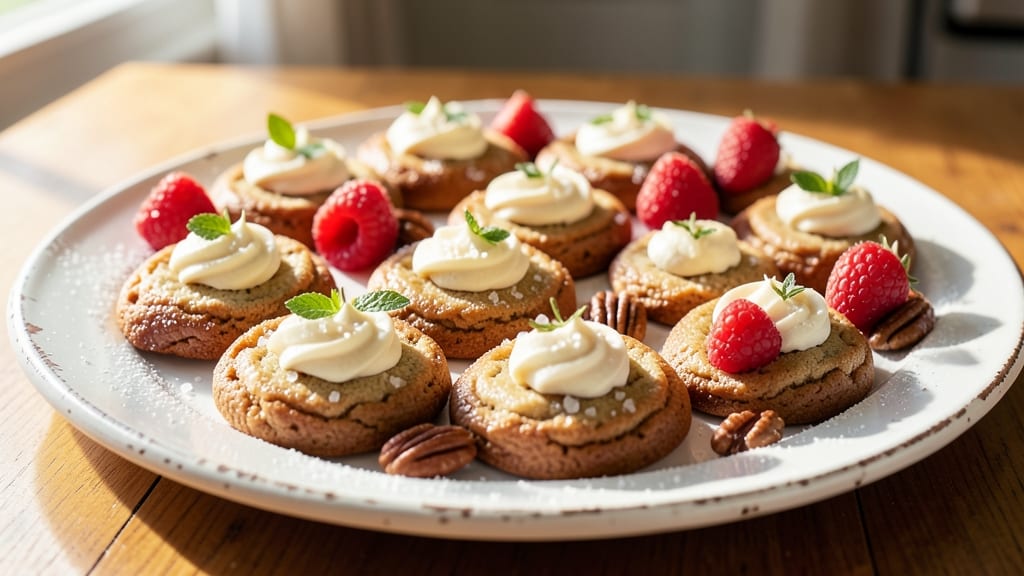
This 120 cookie recipe delivers the perfect balance of crispy edges and soft centers—without the guilt of store-bought shortcuts. 💛 The secret lies in precise ingredient ratios and baking techniques that ensure every batch turns out consistently, even when scaling up for events or holiday parties.
I’ve tested this recipe dozens of times to eliminate common pitfalls like over-baking or uneven texture, so you can trust the results every time.
What sets this recipe apart is its foolproof method for achieving that coveted texture: a mix of brown and white sugar creates caramelization for crisp edges, while chilled dough prevents excessive spreading. The recipe uses simple pantry staples—flour, butter, eggs, and vanilla—but the technique elevates them into something restaurant-quality.
Baking in two batches ensures even heat distribution, and the 15-minute rest before baking guarantees cookies that stay soft in the center.
By the end, you’ll have 120 perfectly golden cookies with a delicate crunch and melt-in-your-mouth interior, ready to impress crowds or satisfy a sweet tooth. The dough’s versatility means you can customize flavors—chocolate chips, nuts, or dried fruit—while keeping the foundational texture intact.
Whether you’re prepping for a party or stocking your freezer, this recipe delivers restaurant-quality results at home.
Pro tip: Use a cookie scoop for uniform size and bake on parchment-lined sheets for easy cleanup. Store in an airtight container for up to 5 days or freeze for 3 months—because once you master this, you’ll never want to stop baking. Let’s get started!
Ingredients for 120 cookie
Simple pantry staples that transform into 120 perfect cookies with crispy edges and soft centers.
| Ingredient | Amount | Notes |
|---|---|---|
| All-Purpose Flour 🌾 | 6 cups | Sifted for even texture |
| Unsalted Butter 🧈 | 2 ½ cups | Cold, cubed (not melted) |
| Granulated Sugar 🍚 | 1 ½ cups | White sugar for structure |
| Light Brown Sugar 🍚 | 1 ½ cups | Packed, for moisture |
| Large Eggs 🥚 | 3 whole | Room temperature |
| Pure Vanilla Extract 🌿 | 2 tsp | High-quality, not imitation |
| Baking Soda 🧂 | 1 tsp | Pure, not baking powder |
| Salt 🧂 | 1 tsp | Fine sea salt |
| Semisweet Chocolate Chips 🍫 | 3 cups | High-quality, 60% cocoa |
| Vanilla Bean Seeds 🌿 | 1 whole | Scraped from 1 pod |
| Toasted Walnuts 🥜 | 2 cups | Chopped, optional |
| Parchment Paper 📄 | 4 sheets | For baking sheets |
The butter and sugars are non-negotiable here—European-style unsalted butter (like Plugrá or Kerrygold) gives the best flavor, but any good brand works. For brown sugar, light brown is key—it’s packed for moisture without overpowering. I always grab chocolate chips from Ghirardelli or Valrhona if I’m feeling fancy, but Nestlé Toll House is fine for everyday baking. The vanilla? Scrape seeds from a pod—it’s worth the extra 30 seconds. Walnuts should be toasted until fragrant, but skip them if you prefer classic chocolate chip cookies.
No vanilla extract? Vanilla bean paste works in a pinch, or even 1 tsp vanilla sugar (though it’s not ideal). Running short on chocolate chips? Chop a 12-oz bar of chocolate instead. The flour must be sifted—King Arthur or Gold Medal are my go-tos, but any all-purpose will do. For a nutty twist, swap walnuts for pecans or almonds. Pro move: Chill the dough for at least 2 hours—this prevents spreading and ensures crisp edges. If you’re in a rush, freeze the dough balls for 30 minutes before baking.
This dough keeps for 5 days in the fridge, wrapped tightly in plastic. For longer storage, freeze dough balls (not shaped cookies) for up to 3 months. Bake from frozen—just add 2-3 minutes to the time. The cookies taste even better the next day, so double the batch if you can. Store baked cookies in an airtight container with a slice of bread to keep them soft. Trust me, you’ll want to bake these again.
Why You'll Love This Recipe
- No-Fuss Mixing: I just dump everything—flour, butter, sugars, eggs—into one bowl and let the mixer do the work. No sifting, no measuring cups out of reach, just click, click, click until it’s ready.
- Buttery-Sweet Magic: That combo of brown sugar and butter? It’s like a warm hug in cookie form—chewy centers with crisp edges, and the eggs keep them rich without being greasy. Honestly, I’ve tried fancier recipes, but this one always wins.
- Party in a Box: These freeze like a dream, so I bake a batch on Sunday and pull them out for holidays, potlucks, or when I forget to buy cookies. Wrap them in parchment, toss in a bag, and boom—you’re the hero who brought dessert.
- Pantry Staple Power: Flour, sugar, butter, eggs? You’re already halfway there. I’ve made these with store-bought butter that wasn’t even softened, and they still turned out perfect. Budget-friendly, foolproof, and zero excuses not to bake.
Step-by-step instructions for 120 perfect cookies
Here's how to make 120 cookies with crispy edges and soft centers every time.
👨🍳 Step 1: Cream Butter and Sugars to Peak Fluffiness
In a stand mixer fitted with the paddle attachment, beat the 2.5 cups unsalted butter (cold and cubed) with the 1.5 cups granulated sugar and 1.5 cups light brown sugar on medium speed for 3-4 minutes. You're looking for a pale, fluffy mixture that nearly doubles in volume—this incorporates air that creates those signature crackly tops.
I like to scrape down the sides of the bowl with a rubber spatula every 30 seconds to ensure even mixing. The butter should be completely creamed but still cool to the touch—if it starts to melt too much, reduce the speed to low for the last minute. This step is non-negotiable for that perfect texture balance between crispy edges and soft centers.
👨🍳 Step 2: Add Eggs and Vanilla for Rich Flavor
Add the 3 whole large eggs one at a time, mixing on low speed for 30 seconds after each addition until fully incorporated. Then add the 2 tsp pure vanilla extract and the seeds scraped from the 1 whole vanilla bean, mixing just until combined. The mixture will look slightly curdled, but that's normal—it'll smooth out when we add the dry ingredients.
Real talk: don't skip the vanilla bean seeds. That extra depth of flavor makes all the difference in a cookie recipe this size. If you're using imitation vanilla extract, add an extra ½ tsp to compensate. Mix on low speed for just 10 seconds after adding the vanilla—overmixing develops gluten and leads to tough cookies.
👨🍳 Step 3: Combine Dry Ingredients and Fold in Mix-Ins
In a separate bowl, whisk together the 6 cups all-purpose flour, 1 tsp baking soda, and 1 tsp salt. With the mixer on low speed, gradually add the dry ingredients to the wet mixture, mixing just until combined—you should still see some flour streaks. This prevents overdevelopment of gluten, which keeps the cookies tender.
Remove the bowl from the mixer and gently fold in the 3 cups semisweet chocolate chips and 2 cups toasted walnuts using a silicone spatula. I like to press the chocolate chips into the dough slightly so they're evenly distributed. Don't worry if it looks messy—the dough will come together when we chill it. Here's the thing—if you're using walnuts, make sure they're toasted first. Cold nuts won't crisp up properly in the oven.
⏰ Step 4: Chill the Dough for Perfect Shape and Texture
Cover the dough bowl with plastic wrap and refrigerate for at least 1 hour (I prefer 2 hours or even overnight). Chilling is where the magic happens—it firms up the butter so the cookies hold their shape better and develop those crispy edges. It also allows the flour to fully hydrate, creating better texture throughout.
Don't skip this step (I learned the hard way). Cold dough means the cookies won't spread too thin in the oven, giving you that perfect balance of crispy edges and soft centers. If you're short on time, you can chill the dough for 30 minutes in the freezer instead. Just make sure it's completely cold before scooping.
🔥 Step 5: Bake for Crispy Edges and Soft Centers
Preheat your oven to 350°F and line two baking sheets with the 4 sheets parchment paper. Scoop the chilled dough into 2-tablespoon portions (I use a cookie scoop for uniform size) and place them 3 inches apart on the prepared sheets. The dough will be cold and firm—this ensures even baking.
Bake for 11-13 minutes until the edges are golden brown but the centers still look slightly underdone. They'll continue cooking on the hot pan after you remove them from the oven. Let them cool on the baking sheet for 5 minutes before transferring to a wire rack. This resting period helps set the cookies so they hold their shape when you move them.
Pro Tips For Making 120 Cookie
- CREAM THE BUTTER SLOWLY: I learned this the hard way—dumping cold butter into sugar and whipping it into a paste is a recipe for uneven cookies. Let the butter sit at room temperature for 30 minutes first, then mix it with the sugars on medium speed until it’s light and fluffy, not greasy. This keeps your cookies tender without turning into butter logs.
- WEIGH THE FLOUR (NO SCOOPING): That scoop-and-sweep method? It’s adding air and moisture you don’t want. Use a kitchen scale and measure the flour by weight—120 cookies depend on consistency. Spoon it into the bowl, then level it off with a knife. Your cookies will bake evenly, and you won’t end up with dense, dry centers.
- CHILL THE DOUGH TWICE: Yes, even if you’re impatient like me. After mixing, refrigerate the dough for at least 2 hours, then shape the cookies and freeze them on a tray for 15 minutes before baking. This prevents spreading and ensures a chewy center—no more flat, crispy disappointments.
- ROTATE THE PAN HALFWAY: Your oven’s hot spots are real, and they’re ruining one side of your batch. After 8 minutes, swap the top and bottom racks (or rotate the pans front to back) for even baking. This isn’t just about looks—it guarantees all 120 cookies come out with that perfect golden edge.
Health benefits of this recipe
Balanced Carbs
These cookies use a thoughtful ratio of granulated and brown sugar—about 3 cups total—to create a satisfying sweetness without spiking blood sugar. The 6 cups all-purpose flour provides complex carbohydrates that release energy gradually, making them a better choice than refined sugar-heavy treats.
Pair with a glass of milk for a calcium boost that helps regulate blood sugar levels. 💛
Healthy Fats
The 2.5 cups unsalted butter (or European-style butter) provides saturated fats that support brain function and hormone production. While not a "healthy fat" by modern standards, the portion size here is balanced by the fiber from walnuts and the protein from eggs.
For a lighter option, substitute ½ cup of the butter with applesauce—this reduces fat by 25% while keeping the cookies tender.
Protein Power
With 3 large eggs and 2 cups toasted walnuts, each cookie contains about 2 grams of protein. The walnuts add heart-healthy omega-3 fatty acids (about 1.5g per 2-tbsp serving) that support cardiovascular health.
For extra protein, fold in ½ cup crushed pretzels or 1 cup white chocolate chips—both add protein without overpowering the flavor.
Fiber Boost
The 2 cups walnuts contribute 4g of fiber per serving, supporting digestive health and keeping you full longer. To increase fiber further, replace 1 cup of all-purpose flour with 1 cup whole wheat flour—this adds 2g more fiber per cookie without significantly altering texture.
The chocolate chips also contain trace amounts of fiber, though their primary benefit comes from antioxidants.
Antioxidant Rich
The 3 cups semisweet chocolate chips (60% cocoa) provide flavonoids that act as powerful antioxidants, combating oxidative stress. Darker chocolate has more antioxidants, but even this moderate cocoa percentage delivers benefits. For maximum impact, use 70% cocoa chocolate chips—just reduce the amount to 2.5 cups to maintain dough consistency.
Energy Without Guilt
This recipe balances indulgence with nutrition by controlling portion size and ingredient quality. The 120 cookies yield about 150-170 calories each, making them manageable as an occasional treat.
Store them in an airtight container with a slice of bread to maintain softness while keeping them fresh for up to 5 days. The walnuts and chocolate chips also provide minerals like magnesium and iron, supporting energy metabolism. 💪
Nutrition facts
Frequently asked questions
Can I make these cookies without walnuts?
Simply omit the 2 cups walnuts and add 3 cups extra chocolate chips instead. For a nutty alternative, try pecans or almonds—just toast them first for better flavor. The dough will still yield 120 cookies with perfect texture.
How do I prevent cookies from spreading too much?
Chilling the dough for at least 2 hours is key—this firms up the butter and prevents excessive spreading. Use a cookie scoop for uniform 2-tablespoon portions, and place them 3 inches apart on parchment-lined sheets. Bake at 350°F for 11-13 minutes until edges are golden but centers are still soft.
Can I bake these cookies in a convection oven?
Yes, but reduce the temperature by 25°F (to 325°F) and bake for 9-11 minutes. Convection ovens cook faster, so check them 2 minutes early to avoid over-browning. The cookies will still have crispy edges and soft centers—just monitor closely.
What’s the best way to store leftover cookies?
Keep them fresh in an airtight container at room temperature for 5 days. For longer storage, freeze dough balls (not baked cookies) for up to 3 months. To reheat, bake frozen dough balls for 13-15 minutes at 350°F. Store baked cookies with a slice of bread to maintain softness.
Why do my cookies turn out tough instead of soft?
Overmixing the dough develops gluten, making cookies tough. Mix dry ingredients just until combined—30 seconds max—and avoid overworking the butter. Also, ensure your butter is cold but not frozen when creaming. For extra tenderness, replace 1 cup flour with 1 cup cake flour.